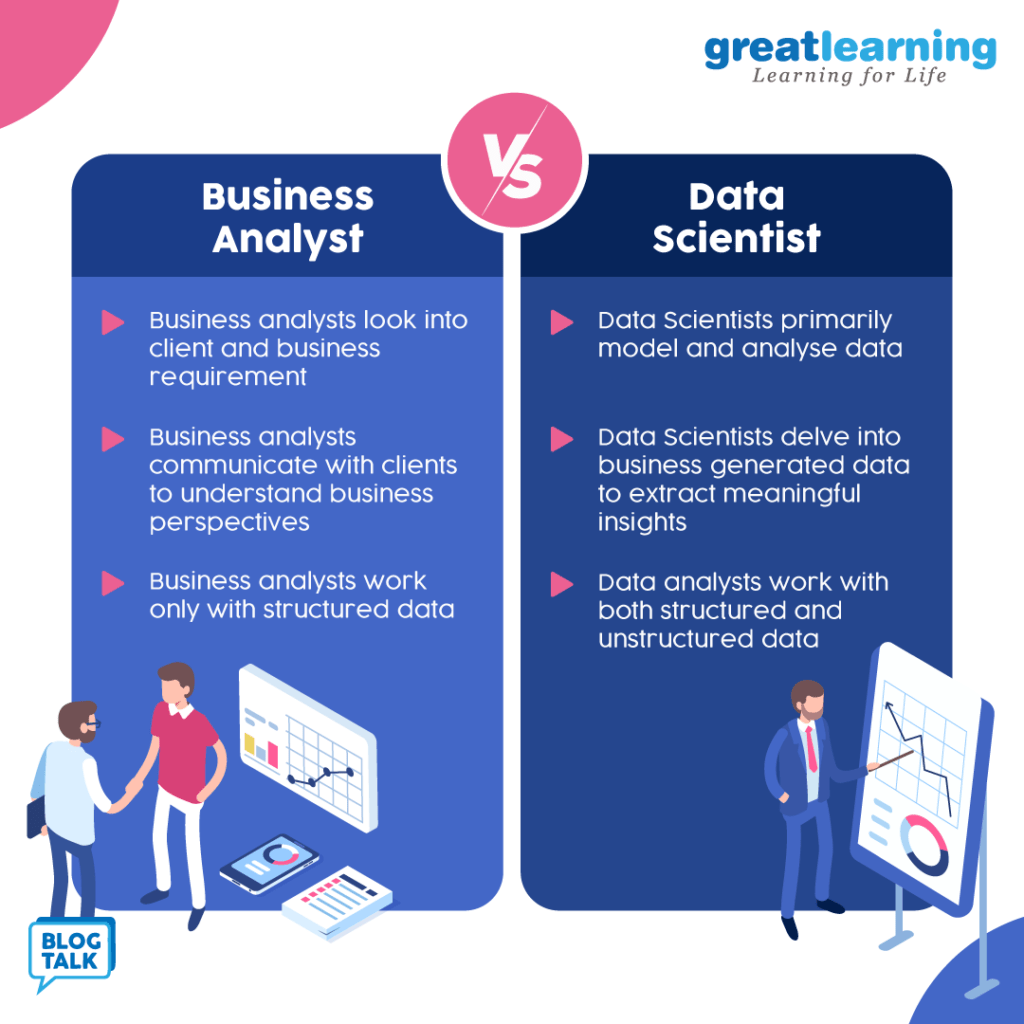
As a business analyst, one of your key responsibilities is to gather requirements from clients and stakeholders to understand their needs and develop solutions. To effectively gather requirements, you need to ask the right questions that will provide you with the necessary information. This article will provide you with a comprehensive list of business analyst questions for clients that will help you extract the information you need to deliver a successful project.
Before diving into the list of questions, it’s important to establish a good rapport with your clients. Building trust and open communication will encourage clients to provide honest and detailed answers. Remember to listen actively and ask follow-up questions to gain a deeper understanding of their requirements.
Now, let’s explore the essential business analyst questions for clients that you can use as a starting point for your requirements gathering process:
See these business analyst questions for client
- What is the main objective of your project?
- Who are the key stakeholders involved in this project?
- What are the expected deliverables and their timelines?
- What challenges are you currently facing in your business?
- What are your success criteria for this project?
- What are your budget constraints?
- How will this project align with your long-term business goals?
- What are the specific pain points you want to address?
- What are the existing systems or processes that need improvement?
- What are the risks associated with this project?
- What are the key metrics you want to track?
- What are the desired features and functionalities?
- What is the target audience for your product or service?
- What are the current market trends and customer preferences?
- What are the legal and compliance requirements?
- What are the technical limitations or constraints?
- What data sources do you have and what data is needed for analysis?
- What are the security considerations for your project?
- How will you measure the success of this project?
- What are the key performance indicators for your business?
- What are the dependencies and dependencies for this project?
- What are the training and support needs for the end-users?
- How will you handle change management during the project?
- What are your expectations from the business analyst role?
- What are the current business processes that need optimization?
- What are the competitors’ offerings in the market?
- What are the user experience requirements?
- What are the project constraints in terms of resources?
- What are the reporting and communication needs?
- What are the key milestones for this project?
- What are the future scalability and growth considerations?
- What are the customer feedback or complaints received?
- What are the integration requirements with other systems?
- What are the testing and quality assurance requirements?
- What are the change control procedures for this project?
- What are the key decision-making authorities for this project?
- What are the organizational and cultural factors to consider?
- What are the marketing and promotional strategies for your product?
- What are the project risks and their mitigation plans?
- What are the resource allocation and utilization expectations?
- What are the constraints in terms of technology and infrastructure?
- What are the documentation and knowledge transfer requirements?
These business analyst questions for clients provide a strong foundation for gathering requirements and understanding the client’s needs. However, it’s important to tailor these questions based on the specific project and industry you are working in. Adapt and customize the questions to ensure you cover all relevant aspects and gain a comprehensive understanding of the client’s requirements.
Remember, effective communication and active listening are key to successful requirements gathering. Use these questions as a starting point, but be prepared to ask follow-up questions to delve deeper into the client’s needs and expectations.