When it comes to hiring an Emergency Department (ED) nurse, it is crucial to ensure that you select the right candidate who possesses the necessary skills and knowledge to handle the unique challenges of this fast-paced and high-pressure environment. Conducting a thorough interview can help you assess the candidate’s suitability for the role. In this article, we will discuss some common ED nurse interview questions that can help you make an informed decision.
During the interview, it is essential to ask questions that assess the candidate’s technical skills, critical thinking abilities, and their ability to handle stressful situations. Additionally, questions that evaluate their communication skills and ability to work in a team are also important to consider. By asking a diverse range of questions, you can gain insights into the candidate’s experience, qualifications, and personal qualities, helping you identify the right fit for your ED nursing team.
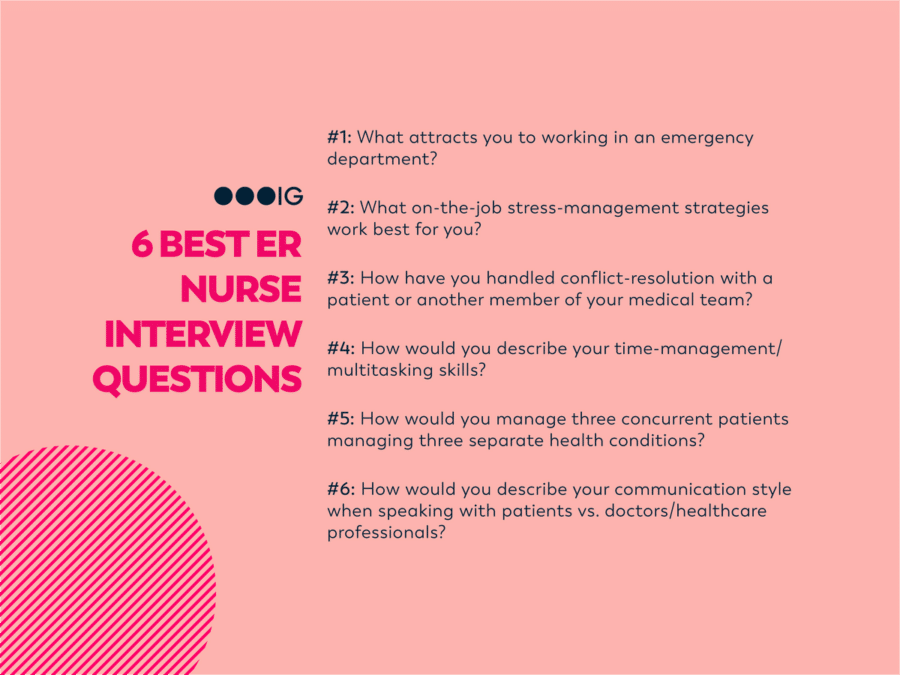
Below, we have compiled a list of ED nurse interview questions that can assist you in evaluating the skills and qualities of potential candidates. Use these questions as a starting point, and feel free to tailor them to suit your specific needs and requirements.
See these ED Nurse Interview Questions
- Can you describe your experience working in an Emergency Department?
- How do you prioritize patient care in a fast-paced environment?
- What steps do you take to ensure accurate documentation of patient information?
- How do you handle a situation where a patient’s condition deteriorates rapidly?
- Can you explain the process you follow when administering medication to patients?
- How do you handle conflicts or disagreements with colleagues or other healthcare professionals?
- What actions do you take to ensure patient safety in the ED?
- How do you stay updated with the latest advancements and best practices in emergency nursing?
- Can you provide an example of a time when you had to make a quick decision in a high-pressure situation?
- How do you handle emotional or distressed patients?
- What steps do you take to ensure effective communication with patients and their families?
- Can you describe a time when you had to collaborate with a multidisciplinary team to provide patient care?
- How do you handle a situation where a patient refuses treatment?
- What measures do you take to prevent the spread of infection in the ED?
- How do you handle a situation where a patient’s family member becomes aggressive or violent?
- Can you describe your experience with triaging patients?
- How do you handle a situation where you suspect a patient is a victim of abuse?
- What steps do you take to ensure patient confidentiality in the ED?
- How do you handle a situation where a patient presents with severe pain?
- Can you explain the process you follow when preparing a patient for surgery?
- How do you handle a situation where a patient’s condition is not improving despite treatment?
- What actions do you take to provide emotional support to patients and their families?
- How do you handle a situation where a patient is non-compliant with their prescribed treatment?
- Can you describe a time when you had to manage multiple patients with varying needs simultaneously?
- What steps do you take to ensure a smooth transition of care when a patient is being discharged?
- How do you handle a situation where a patient is experiencing a life-threatening allergic reaction?
- How do you maintain your composure and focus during a chaotic or stressful situation?
- Can you explain the process you follow when providing education and instructions to patients?
- How do you handle a situation where a patient is in extreme pain but cannot receive immediate pain relief?
- What measures do you take to ensure your own safety and well-being while working in the ED?
- How do you handle a situation where a patient is unable to communicate their symptoms or medical history?
- Can you describe a time when you had to assist in a critical procedure or intervention?
- What steps do you take to ensure effective teamwork and collaboration in the ED?
- How do you handle a situation where a patient expresses suicidal thoughts or intentions?
- How do you handle a situation where a patient’s family member demands immediate attention despite having a less critical condition?
- Can you explain the process you follow when assessing a patient with a potential head injury?
- How do you handle a situation where you need to provide care to a patient of a different cultural background than your own?
- What actions do you take to prevent medication errors in the ED?
- How do you handle a situation where you need to administer CPR to a patient?
- Can you describe a time when you had to advocate for a patient’s needs or rights?
- What steps do you take to ensure effective handoff communication when transferring a patient to another unit or facility?
- How do you handle a situation where a patient’s family member disagrees with the treatment plan?
- How do you handle a situation where you need to provide care to a patient with limited English proficiency?
Remember, conducting a comprehensive interview and asking the right questions can help you identify the most qualified candidates for the position of an ED nurse. Take the time to evaluate their technical skills, critical thinking abilities, and their ability to thrive in a high-pressure environment. By selecting the right candidate, you can ensure the delivery of quality care in your Emergency Department.