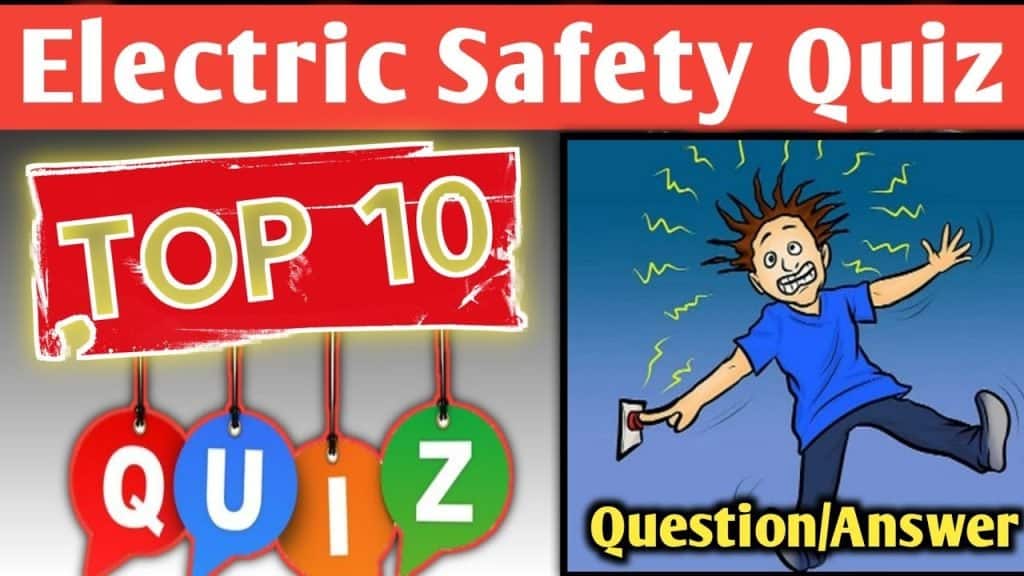
Electrical safety is of utmost importance in our daily lives. Whether at home or in the workplace, it is crucial to have knowledge about electrical safety to prevent accidents and ensure the well-being of everyone involved. In this article, we will address some common electrical safety questions and provide you with answers to help you stay safe.
Electricity is a powerful force that can cause severe harm if not handled properly. Understanding the potential risks and learning how to mitigate them is essential. By following safety protocols and being aware of potential hazards, you can protect yourself and others from electrical accidents.
In this article, we will cover a wide range of electrical safety questions and provide you with informative answers to enhance your understanding of electrical safety. Whether you are a homeowner, a professional electrician, or simply someone curious about electrical safety, this article will serve as a valuable resource.
See These Electrical Safety Questions and Answers
- What are the main causes of electrical accidents?
- How can I protect myself from electrical shocks?
- What should I do if I notice a burning smell coming from an electrical outlet?
- Why is it important to unplug appliances during a thunderstorm?
- What are the signs of outdated electrical wiring?
- How often should I have my electrical system inspected?
- What safety precautions should I take when using power tools?
- Are there any specific electrical safety tips for children?
- What is the purpose of a ground fault circuit interrupter (GFCI)?
- How do I know if my home’s electrical system can handle additional appliances?
- Is it safe to use extension cords on a regular basis?
- What should I do if I experience an electrical shock?
- Can water damage affect electrical outlets?
- What should I do if a power line falls on my vehicle?
- Why is it important to hire a licensed electrician for electrical work?
- What precautions should I take when using electrical equipment near water?
- How can I prevent electrical fires in my home?
- What are the dangers of overloading electrical circuits?
- How do I safely dispose of old electronic devices?
- What are the benefits of installing a smoke detector?
- How can I identify if my electrical system is grounded?
- What are the warning signs of faulty electrical outlets?
- Is it safe to use aluminum wiring in residential properties?
- What is the purpose of a circuit breaker?
- How can I protect my appliances from power surges?
- What are the dangers of DIY electrical repairs?
- Can I use a hairdryer in the bathroom?
- What safety measures should I take when using Christmas lights?
- Is it safe to use a double adapter in an electrical outlet?
- What is the lifespan of electrical wiring?
- How can I prevent electrical shocks while doing household chores?
- What safety precautions should I take when working with electricity outdoors?
- Can electrical appliances cause interference with other electronic devices?
- What should I do if I see a frayed electrical cord?
- What are the dangers of using counterfeit electrical products?
- How do I know if my electrical panel is outdated?
- What should I do if I experience a power outage?
- Are there any specific electrical safety tips for the workplace?
- What are the dangers of using damaged electrical outlets?
- How can I reduce my electricity consumption?
- What are the safety measures to follow when using a portable generator?
- Is it safe to use a power strip for multiple appliances?
- What should I do if I accidentally drive a nail into a wall and hit an electrical wire?
- Can electrical appliances be used near flammable materials?
These are just some of the many electrical safety questions and answers that can help you ensure a safe environment. Remember, electrical safety is everyone’s responsibility, and staying informed is the first step towards preventing accidents and promoting well-being.