Electricity is an essential part of our daily lives, powering our homes, appliances, and devices. Have you ever wondered how much you know about this fascinating subject? Test your knowledge with these electrical trivia questions and discover interesting facts about electricity that you might not have known before!
Whether you’re an electrician, a science enthusiast, or simply curious about how electricity works, these trivia questions will challenge your understanding and keep you entertained. So, let’s dive into the world of electricity and see how well you can answer these questions!
Remember, the key to mastering these trivia questions is to stay curious, learn from the answers, and never stop exploring the wonders of electricity!
See these electrical trivia questions
- What is the basic unit of electrical charge?
- Who is credited with discovering electricity?
- What is the SI unit of electrical resistance?
- What is the unit of electrical current?
- What is the unit of electrical potential difference?
- What type of energy is stored in a battery?
- What is the purpose of a circuit breaker?
- What is the national electrical voltage standard in the United States?
- What is the most common type of electrical outlet used worldwide?
- What is the symbol for the element copper in the periodic table?
- What is the purpose of a ground wire in an electrical circuit?
- What is the maximum voltage that a standard electrical outlet in a home can deliver?
- What is the name of the phenomenon that occurs when an electrical current flows in only one direction?
- What is the formula to calculate electrical power?
- What is the name of the device that converts alternating current (AC) to direct current (DC)?
- What is the color code for a live wire in a standard electrical installation?
- What is the purpose of an electrical transformer?
- What is the speed of electricity in a wire?
- What is the name of the electrical phenomenon that occurs when a current jumps between two conductors without direct contact?
- What is the unit of electrical capacitance?
- What is the name of the measurement instrument used to measure electrical current?
- What is the name of the electrical device used to store an electric charge?
- What is the color code for a neutral wire in a standard electrical installation?
- What is the purpose of a diode in an electrical circuit?
- What is the SI unit of electrical conductance?
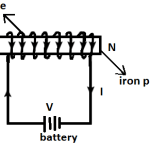
- What is the name of the electrical phenomenon that occurs when a current flows through a conductor, generating a magnetic field?
- What is the name of the electrical device used to protect sensitive electronic equipment from power surges?
- What is the formula to calculate electrical resistance?
- What is the name of the electrical phenomenon that occurs when an electrically charged object attracts or repels another electrically charged object?
- What is the purpose of a fuse in an electrical circuit?
- What is the unit of electrical inductance?
- What is the name of the electrical device used to measure electrical voltage?
- What is the name of the electrical phenomenon that occurs when a material allows the flow of electrical charge?
- What is the purpose of a circuit board in an electrical device?
- What is the SI unit of electrical power?
- What is the name of the electrical device used to change the voltage of an electrical circuit?
- What is the formula to calculate electrical current?
- What is the name of the electrical phenomenon that occurs when an electrical current generates a flow of heat in a conductor?
- What is the purpose of a resistor in an electrical circuit?
- What is the unit of electrical frequency?
- What is the name of the electrical device used to measure electrical resistance?
- What is the name of the electrical phenomenon that occurs when an electric current splits into multiple paths?
- What is the purpose of an insulator in an electrical circuit?
These electrical trivia questions are just a glimpse into the fascinating world of electricity. Challenge yourself and expand your knowledge by exploring more about this exciting subject. Stay curious and keep learning!