Sandra Cisneros is a renowned American author known for her impactful and thought-provoking stories. One of her most famous works is the short story “Eleven,” which explores themes of identity, childhood, and the complexities of growing up. If you’re studying this story or simply interested in gaining a deeper understanding of Cisneros’ writing, here are some essential questions to consider.
By reflecting on these questions, readers can delve into the multiple layers of meaning within “Eleven” and explore the universal experiences it portrays. Whether you’re a student analyzing the story for a class or a literary enthusiast eager to explore Cisneros’ work, these questions will provide valuable insights and spark engaging discussions.
So, let’s dive into the world of “Eleven” and discover the profound questions it raises about identity, childhood, and the complexities of growing up.
See these Eleven Sandra Cisneros Questions
- What is the significance of the title “Eleven”?
- How does Rachel’s perspective on being eleven change throughout the story?
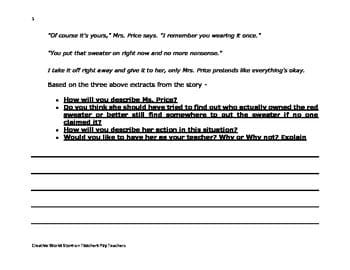
- What role does the red sweater play in the narrative?
- How does the author use imagery to depict Rachel’s emotions?
- What is the significance of Mrs. Price’s character in the story?
- How does Rachel’s relationship with her teacher evolve?
- What does the story suggest about the challenges of fitting in?
- What is the symbolic meaning behind the cake with the “Happy Birthday” sign?
- How does Cisneros explore the theme of power dynamics in the classroom?
- What does Rachel’s experience reveal about the nature of growing up?
- How does the author use humor to address serious themes in the story?
- What is the role of shame in Rachel’s journey?
- How does the story challenge traditional notions of age and maturity?
- What is the significance of Rachel’s reflection on the number twelve?
- What does “Eleven” suggest about the impact of childhood experiences on adulthood?
- How does Cisneros create a sense of empathy for Rachel?
- What techniques does the author use to depict Rachel’s internal struggle?
- How does Rachel’s experience of injustice resonate with readers?
- What is the role of memory in shaping Rachel’s identity?
- How does “Eleven” explore the complexities of peer pressure?
- What is the significance of Rachel’s realization about age?
- How does Cisneros use repetition as a literary device in the story?
- What does the story reveal about the impact of societal expectations on self-perception?
- How does “Eleven” address the theme of authenticity?
- What does Rachel’s experience with the red sweater symbolize?
- How does the story challenge the idea of a linear progression of maturity?
- What does “Eleven” suggest about the power dynamics between children and adults?
- How does Cisneros explore the theme of voice and self-expression?
- What emotions does the story evoke in readers, and why?
- What is the significance of the age of eleven in the story?
- How does Rachel’s experience resonate with your own memories of childhood?
- What is the symbolism behind Rachel’s wish for her birthday?
- How does the story challenge societal expectations placed on young girls?
- What does the story suggest about the role of empathy in understanding others?
- How does Rachel’s experience connect to broader themes of growing up?
- What does the story convey about the fragility of childhood innocence?
- How does Cisneros use descriptive language to create a vivid setting?
- What is the significance of Rachel’s internal conflict?
- How does the story address the theme of identity formation?
- What does “Eleven” reveal about the impact of societal pressure on self-confidence?
- How does Cisneros explore the theme of self-acceptance in the story?
- What does Rachel’s experience teach us about the complexities of growing up?
- How does the story challenge traditional notions of age-appropriate behavior?
- What does “Eleven” suggest about the power of vulnerability?
- How does Cisneros use metaphorical language to convey Rachel’s emotions?
These questions provide a starting point for analyzing and discussing Sandra Cisneros’ “Eleven.” By exploring the depths of this powerful story, readers can gain insights into the complexities of identity, childhood, and the universal experience of growing up.