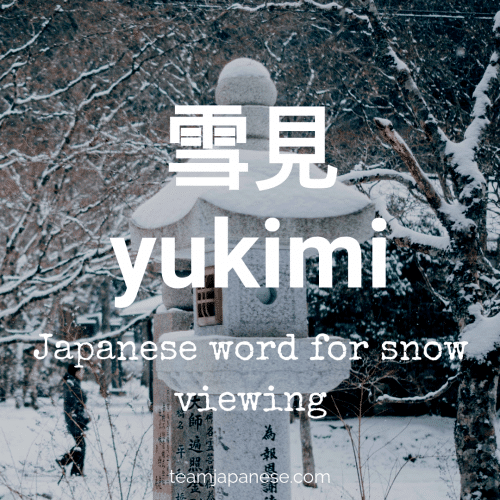
Japan is a country known for its beautiful landscapes and diverse seasons. Winter in Japan brings with it breathtaking snow-covered landscapes that are truly magical. In Japanese culture, snow holds a special significance and is often associated with purity, tranquility, and beauty. Just as in many other languages, Japanese also has different words to describe snow depending on its characteristics. In this article, we will explore some of the Japanese names for snow and their meanings.
Japanese language has a rich vocabulary when it comes to describing different types of snow. From light and fluffy snow to heavy and wet snow, each type has its own unique name. The Japanese language allows for a deeper appreciation and understanding of the various forms that snow can take. Let’s take a look at some of the Japanese names for snow:
Choose between these Japanese names for snow
- Yuki – Meaning “snow,” this is the most commonly used word for snow in Japanese.
- Tsumoru – This word means “to pile up” and is used to describe snow accumulating.
- Yukigakoi – Referring to snowfall, this word is used to describe the act of snow gently falling from the sky.
- Yukinoyuki – Meaning “snow of snow,” this term is used to describe a fresh layer of snow covering an existing layer.
- Yukisaki – This word indicates the direction in which snow is falling.
- Yukibare – Meaning “snow clearing up,” this word is used when the snowfall stops and the sky clears.
- Yukinoshita – Referring to “under the snow,” this term is used to describe something hidden or buried beneath the snow.
- Yukiyama – This word means “snow mountain” and is often used to describe a mountain covered in snow.
- Yukigeshiki – Meaning “snow landscape,” this term is used to describe the picturesque scenery created by snow.
- Yukiboshi – This word refers to the melting of snow.
- Yukidoke – Meaning “snowmelt,” this term is used to describe the process of snow melting.
- Yukidaru – This word is used to describe icicles formed from melting snow.
- Yukinouta – Meaning “snow song,” this term is used to describe a song about snow or inspired by snow.
- Yukidama – This word refers to a snowball.
- Yukizuri – Meaning “snow hanging,” this term is used to describe the act of suspending snow-laden branches.
- Yukinowa – This word refers to the snow on the ground.
- Yukitsubaki – Meaning “snow camellia,” this term is used to describe a white camellia flower symbolizing snow.
- Yukibouzu – This word refers to a snowman.
- Yukinoshizuku – Meaning “snowflake,” this term is used to describe the delicate and unique structure of a snowflake.
- Yukimochi – This word describes the feeling of happiness and contentment that comes from being in the presence of snow.
- Yukionna – Meaning “snow woman,” this term is used to describe a mythical creature in Japanese folklore associated with snow.
- Yukisame – This word refers to a snow shower or light snowfall.
- Yukinokessho – Meaning “snow crystal,” this term is used to describe a perfectly formed snowflake.
- Yukikage – This word refers to the shadow cast by the snow.
- Yukisuna – Meaning “snow sand,” this term is used to describe the soft and powdery texture of freshly fallen snow.
These are just a few examples of the many Japanese names for snow. Each word captures a unique aspect of snow, showcasing the Japanese language’s depth and attention to detail. Whether you are a language enthusiast or simply fascinated by the beauty of snow, exploring these Japanese names will deepen your appreciation for the winter wonderland that Japan transforms into during the snowy season.