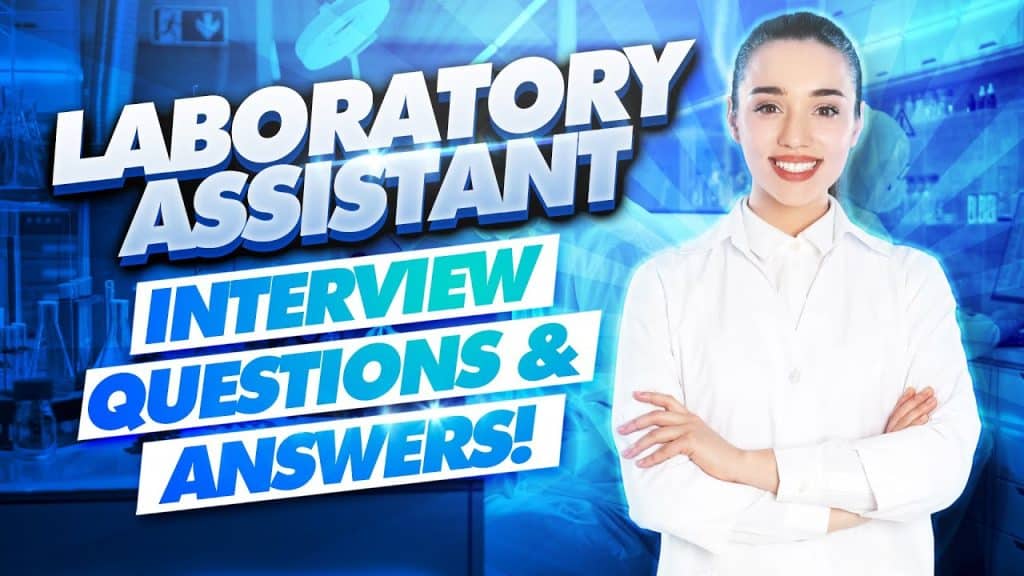
Preparing for a lab interview can be nerve-wracking, as it requires a deep understanding of the subject matter and the ability to perform experiments and analyses under pressure. To help you ace your lab interview, we have compiled a list of common lab interview questions that you may encounter. These questions cover a wide range of topics, from laboratory techniques to problem-solving skills. By familiarizing yourself with these questions and practicing your answers, you can increase your chances of impressing the interviewers and landing your dream lab job.
During a lab interview, interviewers often aim to assess your technical knowledge, analytical skills, attention to detail, and ability to work in a team. They may ask about your experience with specific lab techniques, your understanding of safety protocols, and your ability to troubleshoot and solve problems. Additionally, they may inquire about your familiarity with laboratory equipment and software, as well as your ability to analyze data and present your findings effectively.
It is important to note that the specific lab interview questions you may encounter can vary depending on the type of lab and the position you are applying for. However, by preparing answers to the following questions, you will be well-equipped to handle a variety of lab interview scenarios.
See these lab interview questions
- What laboratory techniques are you most experienced in?
- How do you ensure accuracy and precision in your experiments?
- Can you explain the steps involved in calibrating laboratory equipment?
- How do you handle unexpected results or deviations from expected outcomes?
- What safety measures do you take when working in a lab?
- Have you ever encountered a hazardous situation in the lab? How did you handle it?
- What is your experience with data analysis software?
- Can you describe a time when you had to troubleshoot equipment failure in the lab?
- How do you handle conflicts or disagreements within a team?
- What steps do you take to ensure the cleanliness and organization of the lab?
- How do you prioritize and manage your workload in a fast-paced lab environment?
- Can you explain the process of validating and verifying lab results?
- What is your experience with quality control and quality assurance in a lab setting?
- Have you ever had to deal with an ethical dilemma in the lab? How did you handle it?
- What is your approach to documenting and maintaining accurate records of experiments?
- How do you stay updated with the latest advancements and techniques in your field?
- Can you give an example of a successful project you completed in a lab?
- How do you ensure the confidentiality and security of sensitive data in the lab?
- What is your experience with regulatory compliance in a lab setting?
- Can you explain the process of sample preparation for analysis?
- How do you handle time constraints when conducting experiments?
- What is your experience with statistical analysis and data interpretation?
- Can you describe a time when you had to collaborate with colleagues from different disciplines?
- How do you approach risk assessment and mitigation in the lab?
- What measures do you take to ensure the reproducibility of your experiments?
- Can you explain the process of designing and implementing experimental protocols?
- How do you handle conflicts between your research objectives and budget limitations?
- What is your experience with maintaining and troubleshooting lab equipment?
- Can you describe a time when you had to adapt to changes in experimental procedures?
- How do you handle stress and pressure in a lab environment?
- What steps do you take to ensure the accuracy and reliability of your data?
- Can you explain the process of analyzing and interpreting spectroscopic data?
- How do you contribute to a positive and collaborative lab culture?
- What is your experience with writing scientific reports and papers?
- Can you describe a time when you had to present your findings to a non-technical audience?
- How do you handle feedback and criticism in a professional setting?
- What measures do you take to minimize experimental errors and variability?
- Can you explain the process of designing and conducting controlled experiments?
- How do you ensure the accuracy and precision of measurements in the lab?
- What is your experience with troubleshooting and repairing lab instruments?
- Can you describe a time when you had to mentor or train a junior lab member?
- How do you handle competing priorities and tight deadlines in the lab?
- What steps do you take to ensure the validity and reliability of your experimental design?
- Can you explain the process of isolating and culturing cells in a lab?
By preparing for these lab interview questions and tailoring your answers to your specific experiences and skills, you can enter your lab interview with confidence and increase your chances of success. Remember to practice your responses, think critically about your past experiences, and showcase your passion for scientific research and discovery.