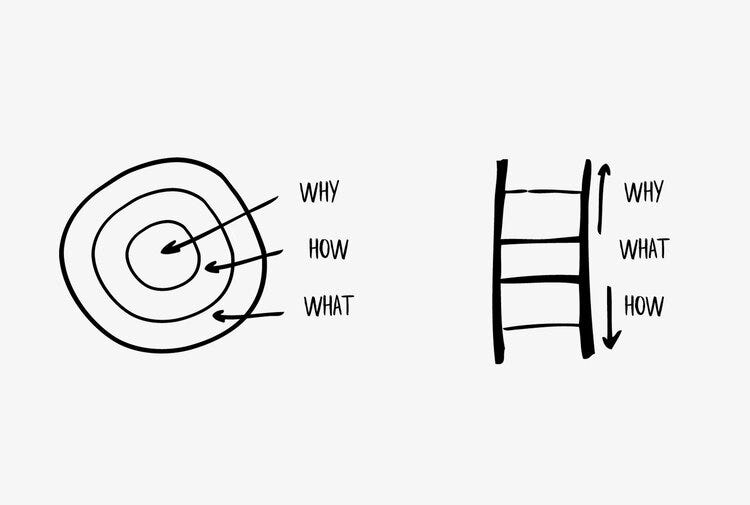
Understanding consumer behavior is no easy task. It involves delving deep into the psyche of individuals and unraveling the underlying motivations that drive their decision-making process. This is where laddering questions come into play. Laddering questions are a powerful qualitative research technique that helps marketers gain valuable insights into the emotional and psychological factors that influence consumer behavior.
Developed by psychologist and market researcher, Dr. Daniel Yankelovich, laddering questions aim to uncover the underlying values, beliefs, and motivations that guide people’s actions. By peeling back the layers of conscious thought, laddering questions reveal the deeper emotional and psychological drivers that shape consumer decision-making.
Whether you are a marketer looking to craft effective advertising campaigns or a product developer seeking to create products that resonate with consumers, laddering questions can provide you with invaluable insights. By understanding the underlying motivations behind consumer behavior, you can better tailor your marketing strategies and offerings to meet their needs and desires.
See these laddering questions
- What is important to you about [product/service]?
- How does [product/service] make you feel?
- What do you expect to achieve by using [product/service]?
- How does [product/service] fit into your daily life?
- What do you think others will say about you if you use [product/service]?
- What are your concerns or fears about [product/service]?
- What does [product/service] symbolize to you?
- How does [product/service] align with your personal values?
- What would happen if you didn’t have access to [product/service]?
- How does using [product/service] make you different from others?
- What do you hope to gain from using [product/service]?
- How does [product/service] enhance your self-image?
- What made you consider trying [product/service] in the first place?
- How would your life be different without [product/service]?
- What are the long-term implications of using [product/service]?
- What are the potential drawbacks of using [product/service]?
- What emotions does [product/service] evoke in you?
- How does [product/service] contribute to your overall well-being?
- What values do you associate with [product/service]?
- What impact does [product/service] have on your social interactions?
- How does using [product/service] align with your personal goals?
- What role does [product/service] play in your identity?
- What do you believe [product/service] says about you as a person?
- How does [product/service] address your specific needs?
- What do you consider when deciding to purchase [product/service]?
- What do you fear might happen if you don’t use [product/service]?
- How does [product/service] fit into your aspirations for the future?
- What do you think [product/service] says about your status or social standing?
- What emotions do you experience when using [product/service]?
- How does using [product/service] make you feel connected to others?
- What do you think others will think of you if you don’t use [product/service]?
- How does [product/service] contribute to your personal growth?
- What do you hope others will notice about you when you use [product/service]?
- What do you believe [product/service] says about your personality?
- What are your expectations for [product/service] in the long run?
- What do you think [product/service] says about your lifestyle?
- How does using [product/service] make you feel part of a community?
- What do you think you would lose if you stopped using [product/service]?
- How does [product/service] contribute to your self-esteem?
- What do you hope to communicate to others by using [product/service]?
- What impact does [product/service] have on your relationships?
- How does using [product/service] make you feel unique or special?
- What do you believe [product/service] says about your values?
- What are your aspirations for using [product/service]?
These laddering questions serve as a starting point for uncovering the deeper motivations that drive consumer behavior. By using them in qualitative research interviews or surveys, marketers can gain a deeper understanding of their target audience’s emotional and psychological needs. Armed with this knowledge, they can create more impactful marketing strategies and develop products and services that truly resonate with consumers.