
In George Orwell’s allegorical novella “Animal Farm,” readers are presented with a thought-provoking and satirical look at the dangers of totalitarianism and the corruption of power. The story follows a group of farm animals who overthrow their human farmer in hopes of creating a fair and equal society. However, as time goes on, the pigs, who take on leadership roles, abuse their power and create a new form of oppression. This article aims to provide answers to common questions that readers may have about “Animal Farm.”
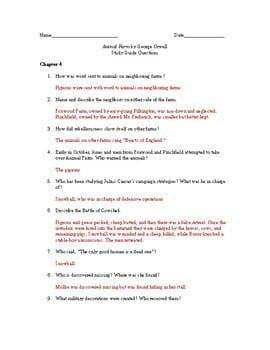
See these Animal Farm Questions and Answers
- What is the main message of “Animal Farm”?
- Who is the main antagonist in the story?
- What is the significance of the animals’ rebellion?
- Why do the pigs become the leaders of the farm?
- How do the pigs manipulate the other animals?
- What is the role of propaganda in “Animal Farm”?
- What is the importance of the commandments in the story?
- Why do the animals keep following the pigs’ orders?
- What is the symbolism behind the characters?
- What is the significance of the windmill?
- How does the power shift throughout the story?
- What is the outcome of the animals’ rebellion?
- What is the role of fear in maintaining control?
- What is the relevance of the Seven Commandments?
- How does Orwell portray human nature in “Animal Farm”?
- What is the significance of the ending?
- What are some of the themes explored in the novella?
- How does “Animal Farm” relate to real-life events?
- What are some examples of irony in the story?
- How does language play a role in the manipulation of the animals?
- What are the similarities between the characters and historical figures?
- What is the role of education in the story?
- How does the novella critique the idea of utopia?
- What are the consequences of blind loyalty?
- What is the role of violence in maintaining power?
- How does “Animal Farm” reflect the dangers of totalitarianism?
- What is the significance of the animals’ names?
- How does the story explore the corruption of power?
- What lessons can be learned from “Animal Farm”?
- What is the role of the working class in the story?
- How does the story depict the idea of revolution?
- What is the symbolism behind the windmill?
- What is the significance of the animals’ chants and songs?
- How does the story criticize the idea of equality?
- What is the role of the neighboring farms?
- How does the story explore the theme of corruption?
- What is the impact of the animals’ ignorance?
- How does the story address the concept of justice?
- What is the significance of the animals’ living conditions?
- How does the novella depict the power of language?
- What are the consequences of the animals’ naivety?
- How does “Animal Farm” criticize the abuse of power?
These questions and answers serve as a starting point for readers who wish to delve deeper into the themes, symbolism, and messages conveyed in George Orwell’s “Animal Farm.” By exploring these topics, readers can gain a better understanding of the novella and its relevance to the world we live in today.






