
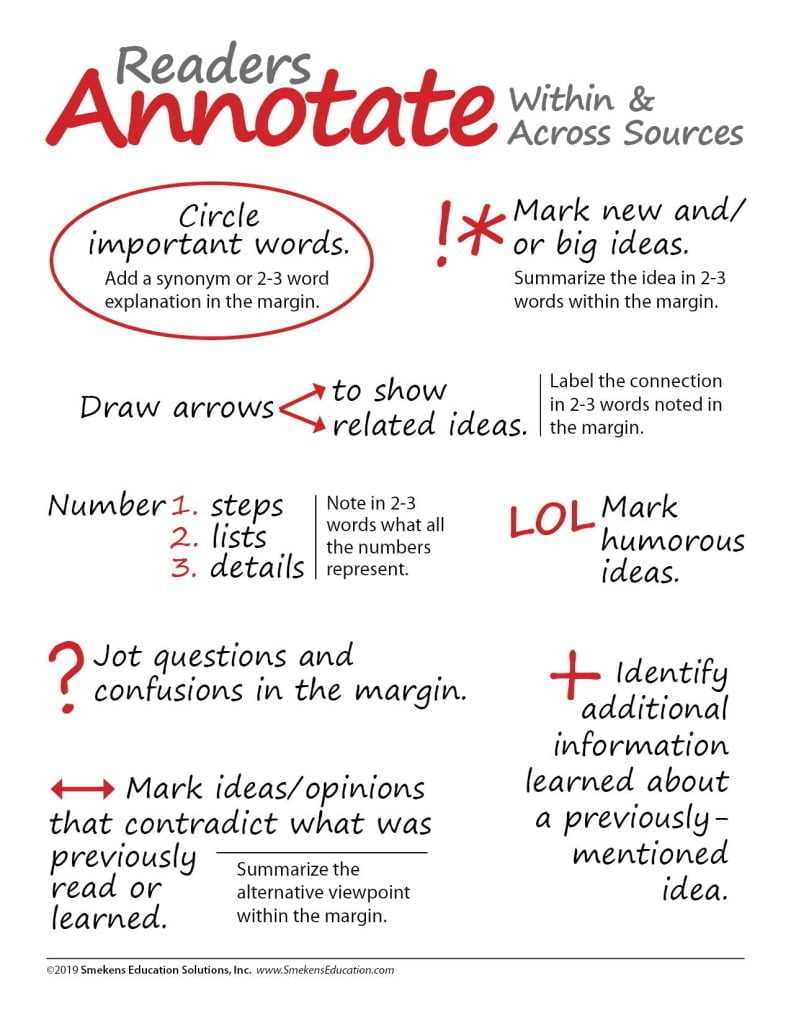
Annotation questions are an essential tool for researchers and scholars across various disciplines. These questions serve as a framework to analyze and interpret texts, images, and other forms of media. By asking specific questions, annotators can delve deeper into the content, uncovering hidden meanings and gaining a more comprehensive understanding.
In this article, we will explore the significance of annotation questions and provide you with a list of over 40 questions that can be used as a starting point for your annotation process. Whether you are a student, a professional, or simply someone interested in critically engaging with different forms of media, these questions will help you unlock new insights.
Before we dive into the list of annotation questions, it is important to understand the purpose and benefits of this practice. Annotation questions serve as a guide to analyze the content more deeply. They encourage critical thinking, facilitate discussions, and help identify patterns, themes, and underlying messages. By engaging with annotation questions, you can develop a more nuanced perspective and enhance your ability to extract valuable information from various sources.
See these annotation questions:
- What is the main argument or thesis of the text?
- What evidence does the author provide to support their argument?
- Are there any logical fallacies or biases present in the text?
- What audience is the author targeting?
- What are the key terms or concepts used in the text?
- How does the text relate to other texts or theories in the field?
- What is the historical context of the text?
- What is the author’s tone or attitude towards the subject?
- What assumptions does the author make?
- What are the implications of the author’s argument?
- What are the strengths and weaknesses of the author’s position?
- What are the key themes or motifs in the text?
- What are the author’s sources of evidence?
- What is the author’s purpose in writing this text?
- What are the potential counterarguments to the author’s position?
- What are the implications of the text for current debates or issues?
- What are the underlying values or beliefs in the text?
- What are the key rhetorical devices used by the author?
- What is the cultural or social context of the text?
- What are the potential biases or limitations in the author’s argument?
- What are the implications of the text for future research or scholarship?
- What are the key examples or case studies used by the author?
- What are the author’s qualifications or expertise on the subject?
- What are the potential implications of the author’s argument on society?
- What are the ethical considerations raised by the text?
- What are the key methodologies or approaches used by the author?
- What are the potential implications of the text for different stakeholders?
- What are the key unanswered questions or gaps in the text?
- What are the potential implications of the text for policy or practice?
- What are the key theoretical frameworks or paradigms used in the text?
- What are the potential conflicts or contradictions in the author’s argument?
- What are the key assumptions or premises in the text?
- What are the potential implications of the text for different disciplines?
- What are the key statistical or empirical findings in the text?
- What are the potential implications of the text for different cultures or societies?
- What are the key methodological limitations or challenges in the text?
- What are the potential implications of the text for personal beliefs or values?
- What are the key theoretical or conceptual frameworks used in the text?
- What are the potential implications of the text for economic or political systems?
- What are the key experimental designs or research methodologies used in the text?
- What are the potential implications of the text for educational practices?
- What are the key statistical or qualitative analyses conducted in the text?
- What are the potential implications of the text for environmental sustainability?
- What are the key technological innovations or trends discussed in the text?
These are just a few examples of the many annotation questions you can use to deepen your understanding of any text or media. By engaging with these questions, you can unlock new insights and develop a more critical perspective. Whether you are conducting research, studying for an exam, or simply exploring a topic of interest, annotation questions are a valuable tool to enhance your learning experience.
Remember, the key to effective annotation is to ask thoughtful, thought-provoking questions that encourage deeper analysis. So, the next time you encounter a text or media, don’t just passively consume it – engage with it through annotation questions and uncover its hidden layers of meaning.






