
Antigone, a tragedy written by Sophocles, is a timeless play that explores themes of justice, morality, and the conflict between individual and state. As a staple of Greek literature, Antigone has captivated audiences for centuries with its thought-provoking storyline and complex characters. This article will delve into the depths of this renowned play, providing insights into its key themes and posing a comprehensive list of Antigone questions.
Set in the aftermath of a civil war, Antigone tells the story of a young woman who defies the orders of King Creon and buries her brother, Polynices, against the law. This act of civil disobedience sets off a chain of events that lead to tragic consequences for Antigone and those around her. The play raises important questions about the consequences of moral choices, the role of religion in society, and the limits of state authority.
Throughout the play, Antigone grapples with her duty to her family and her duty to the state. This conflict prompts the audience to question the nature of justice and whether it is absolute or subject to interpretation. The character of Creon also poses intriguing questions about the responsibilities of a ruler and the consequences of unchecked power. These timeless themes continue to resonate with modern audiences, making Antigone a literary masterpiece that continues to be studied and performed around the world.
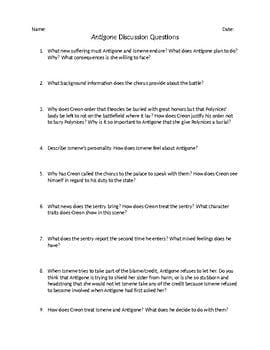
See these Antigone Questions
- What is the significance of Antigone’s decision to bury Polynices?
- How does Antigone’s actions challenge the authority of King Creon?
- What role does religious belief play in Antigone’s decision-making?
- Does Antigone prioritize her loyalty to family over loyalty to the state?
- What are the consequences of Antigone’s disobedience?
- How does Ismene’s character contrast with Antigone’s?
- What motivates Creon’s decree against burying Polynices?
- Does Creon’s punishment fit the crime committed by Antigone?
- How does Haemon’s relationship with Antigone influence his actions?
- What role does gender play in the events of the play?
- What does the character of Tiresias symbolize in Antigone?
- How does the chorus serve as a commentary on the events of the play?
- What is the significance of Antigone’s final fate?
- Does Antigone’s fate serve as a warning against challenging authority?
- How does the play explore the concept of civil disobedience?
- What are the societal implications of Antigone’s actions?
- What does the play suggest about the conflict between individual and state?
- What are the consequences of ignoring divine law in favor of human law?
- What is the role of fate in Antigone?
- How does Antigone’s loyalty to her brother impact her decisions?
- What does the character of Eurydice contribute to the play?
- What are the moral implications of Creon’s actions?
- How does the play explore the themes of pride and hubris?
- What is the significance of Antigone’s monologues?
- Does Antigone’s tragic fate make her a martyr?
- How does the play address the concept of justice?
- What is the role of forgiveness in the play?
- How does Antigone’s defiance challenge societal norms?
- What does the play suggest about the power of language and rhetoric?
- How does the setting contribute to the overall themes of the play?
- What is the significance of the play’s ending?
- Does Antigone’s character evolve throughout the play?
- How does the play explore the theme of loyalty?
- What does the character of Antigone represent in Greek mythology?
- Does the play offer any hope for redemption or reconciliation?
- What does the chorus symbolize in Antigone?
- How does the play challenge traditional gender roles?
- What are the motivations behind Antigone’s actions?
- How does the play explore the concept of free will?
- What is the significance of the character of Antigone in Greek literature?
- How does the play comment on the nature of power and authority?
- What does the character of Antigone teach us about moral courage?
- Does the play offer any resolution or closure?
- How does the play depict the consequences of pride and arrogance?
These thought-provoking Antigone questions provide a starting point for an in-depth analysis of the play’s themes and characters. Whether you are a student studying literature or a theater enthusiast interested in exploring the depths of Greek tragedy, delving into these questions will enhance your understanding and appreciation of this timeless classic.






