
For aspiring nurses, passing the NCLEX exam is a crucial step towards obtaining a nursing license. The NCLEX, or the National Council Licensure Examination, is a standardized test that evaluates the knowledge and skills of entry-level nurses. It is designed to ensure that nurses have the necessary competencies to provide safe and effective care to patients. One important aspect of the NCLEX exam is the inclusion of priority questions, which test the nurse’s ability to prioritize care based on the patient’s needs. In this article, we will explore the importance of priority questions and discuss whether they are passing level on the NCLEX.
Priority questions on the NCLEX assess a nurse’s ability to identify the most urgent patient needs and determine the appropriate course of action. These questions require critical thinking and clinical judgment skills, as nurses must quickly analyze the given information and make decisions that prioritize patient safety and well-being. Priority questions often involve scenarios where multiple patients require immediate attention, and the nurse must determine who to attend to first based on the severity of their condition.
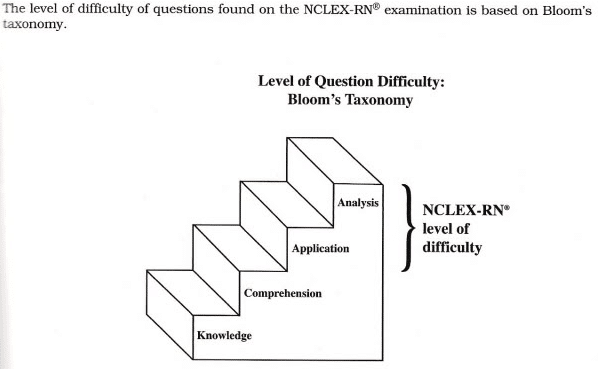
While priority questions are an essential component of the NCLEX exam, it is important to note that they are not the sole determinants of passing or failing the exam. The NCLEX uses a computerized adaptive testing (CAT) format, which means that the difficulty level of the questions adjusts based on the candidate’s performance. The passing standard for the NCLEX is based on the ability to consistently demonstrate competence in providing safe and effective care, rather than specific question types or categories.
See these are priority questions passing level on NCLEX
- What action should the nurse take first for a patient experiencing chest pain?
- Which patient should the nurse prioritize for immediate care?
- What is the priority intervention for a patient with a compromised airway?
- Which patient requires immediate assessment due to a change in condition?
- What should the nurse do first when caring for a patient with a potential life-threatening allergic reaction?
- Which patient should the nurse attend to first in a disaster situation?
- What action should the nurse take first for a patient with signs of impending cardiac arrest?
- Which patient needs immediate intervention for a potential medication overdose?
- What is the priority nursing intervention for a patient experiencing a hypertensive crisis?
- Which patient requires immediate intervention for a severe allergic reaction?
- What should the nurse do first when caring for a patient with a suspected stroke?
- Which patient should the nurse prioritize for immediate surgical intervention?
- What is the priority action for a patient with a rapidly deteriorating respiratory status?
- Which patient requires immediate assessment for potential sepsis?
- What should the nurse do first when caring for a patient with a suspected overdose?
- Which patient should the nurse attend to first in a critical care unit?
- What action should the nurse take first for a patient with a compromised circulation?
- Which patient needs immediate intervention for a potential cardiac arrhythmia?
- What is the priority nursing intervention for a patient experiencing a diabetic crisis?
- Which patient requires immediate intervention for a severe head injury?
- What should the nurse do first when caring for a patient with a suspected respiratory infection?
- Which patient should the nurse prioritize for immediate transfer to the operating room?
- What is the priority action for a patient with a rapidly decreasing level of consciousness?
- Which patient requires immediate assessment for potential internal bleeding?
- What should the nurse do first when caring for a patient with a suspected spinal cord injury?
- Which patient should the nurse attend to first in a pediatric emergency department?
- What action should the nurse take first for a patient with a compromised immune system?
- Which patient needs immediate intervention for a potential respiratory distress?
- What is the priority nursing intervention for a patient experiencing a hypertensive crisis?
- Which patient requires immediate intervention for a severe allergic reaction?
- What should the nurse do first when caring for a patient with a suspected stroke?
- Which patient should the nurse prioritize for immediate surgical intervention?
- What is the priority action for a patient with a rapidly deteriorating respiratory status?
- Which patient requires immediate assessment for potential sepsis?
- What should the nurse do first when caring for a patient with a suspected overdose?
- Which patient should the nurse attend to first in a critical care unit?
- What action should the nurse take first for a patient with a compromised circulation?
- Which patient needs immediate intervention for a potential cardiac arrhythmia?
- What is the priority nursing intervention for a patient experiencing a diabetic crisis?
- Which patient requires immediate intervention for a severe head injury?
- What should the nurse do first when caring for a patient with a suspected respiratory infection?
- Which patient should the nurse prioritize for immediate transfer to the operating room?
- What is the priority action for a patient with a rapidly decreasing level of consciousness?
- Which patient requires immediate assessment for potential internal bleeding?
- What should the nurse do first when caring for a patient with a suspected spinal cord injury?
- Which patient should the nurse attend to first in a pediatric emergency department?
In conclusion, priority questions play a significant role in evaluating a nurse’s ability to prioritize patient care on the NCLEX exam. While they are important, it is crucial to remember that passing the NCLEX requires a comprehensive understanding of nursing knowledge and the ability to apply it in various clinical scenarios. Aspiring nurses should focus on developing critical thinking and clinical judgment skills to succeed in answering priority questions and ultimately passing the NCLEX exam.






