
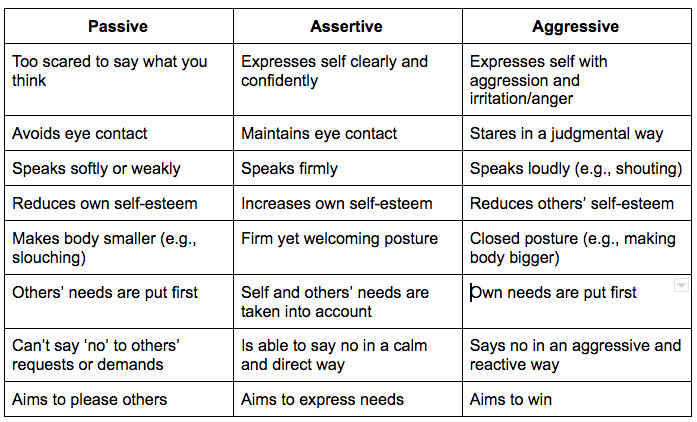
Communication is the key to successful relationships and interactions, whether it be in personal or professional settings. One important aspect of effective communication is the ability to ask questions. However, not all questions are created equal. Assertive questions, in particular, are a powerful tool that can help you gather information, express your thoughts and opinions, and foster meaningful conversations. In this article, we will explore what assertive questions are and how they can enhance your communication skills.
Assertive questions are a type of direct question that seeks to gather information or clarification without being aggressive or confrontational. They are framed in a way that allows the person being asked the question to respond openly and honestly. Assertive questions are characterized by their clarity, directness, and non-judgmental tone, making them an effective tool for getting to the heart of the matter and promoting open dialogue.
When used correctly, assertive questions can help you build rapport, gain insights, and resolve conflicts. They can be employed in various settings, such as interviews, meetings, negotiations, or even everyday conversations. By asking assertive questions, you demonstrate your active listening skills, show genuine interest in the other person’s perspective, and encourage them to express their thoughts and feelings.
See these assertive questions
- What is your perspective on this issue?
- Can you provide more details about your proposal?
- How do you think we can improve our current process?
- What challenges do you foresee in implementing this plan?
- Are there any alternative solutions we should consider?
- What are your expectations for this project?
- Can you explain the reasoning behind your decision?
- What steps have you taken so far to address this problem?
- How would you prioritize these tasks?
- What resources do you need to accomplish this goal?
- Can you provide examples to support your argument?
- What criteria are you using to evaluate these options?
- How do you think we should approach this situation?
- What are the potential risks and benefits of this strategy?
- Can you clarify your statement?
- What factors influenced your decision?
- How would you define success in this context?
- What steps can we take to prevent future occurrences?
- What feedback do you have regarding our performance?
- How do you think we could enhance our customer service?
- What impact do you think this change will have?
- Can you share your thoughts on the current market trends?
- What are your concerns about this proposal?
- How do you see our company’s values aligning with yours?
- What do you think is the root cause of this issue?
- Can you suggest any improvements to our communication process?
- What are your expectations for our working relationship?
- How would you handle a situation like this?
- What feedback do you have regarding our latest product launch?
- What are the potential implications of this decision?
- Can you provide examples of how this strategy has worked in the past?
- What obstacles do you anticipate in achieving our goals?
- How do you think we can better collaborate as a team?
- What are your thoughts on the current industry regulations?
- Can you explain your reasoning behind this recommendation?
- What measures can we take to ensure customer satisfaction?
- How do you think we can improve employee engagement?
- What are your thoughts on our recent marketing campaign?
- Can you provide insights into your decision-making process?
- What do you believe is the most critical issue we need to address?
- How do you think we can better manage our resources?
- What are your thoughts on the current economic climate?
These are just a few examples of assertive questions that can help you navigate various situations and engage in meaningful conversations. By incorporating assertive questions into your communication repertoire, you can enhance your ability to gather information, understand different perspectives, and foster productive relationships. Remember to ask with genuine curiosity and actively listen to the responses. Happy questioning!






