
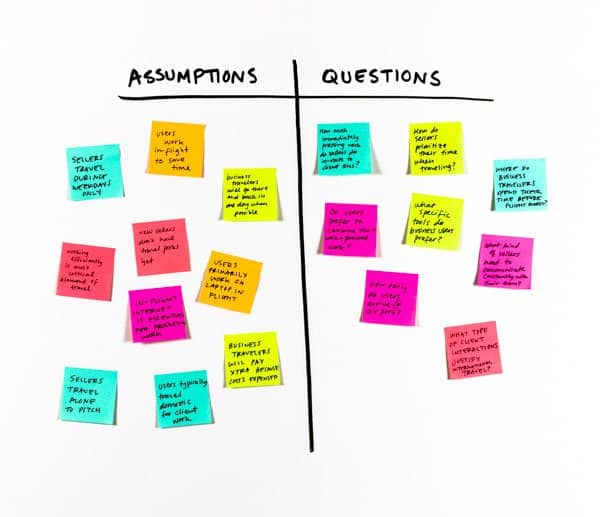
When it comes to critical thinking and problem-solving, asking the right questions is crucial. Assumption questions play a significant role in uncovering the underlying beliefs or premises that support an argument or statement. By challenging these assumptions, we can evaluate the validity and credibility of the information presented. Whether you are preparing for a debate, conducting research, or simply seeking a deeper understanding of a topic, using assumption questions can help you analyze and evaluate different perspectives.
In this article, we will explore a comprehensive list of assumption questions for various topics. These questions can be used as a starting point for examining the assumptions behind the statements or arguments you encounter. By asking these questions, you can gain a clearer understanding of the reasoning and evidence supporting a particular claim or viewpoint.
Remember, assumption questions are not meant to be confrontational or dismissive. Instead, they serve as a tool to encourage critical thinking and promote a deeper exploration of ideas. Let’s dive into the world of assumption questions and see how they can enhance our analytical abilities.
See these assumption questions for:
- What evidence supports this claim?
- Are there any biases or vested interests influencing this argument?
- What assumptions are made about the target audience?
- Can you identify any logical fallacies in this line of reasoning?
- What evidence or data is being overlooked or ignored?
- What values or beliefs underpin this argument?
- Are there any hidden agendas behind this statement?
- What evidence is there to support the generalization being made?
- Are there any counterarguments that challenge this claim?
- What assumptions are being made about cause and effect?
- Is this argument based on personal anecdotes or reliable research?
- Are there any cultural or contextual factors influencing this argument?
- What assumptions are being made about the reliability of the data used?
- Does this argument rely on emotional manipulation rather than logical reasoning?
- What assumptions are being made about the expertise or qualifications of the speaker?
- Can you identify any oversimplifications in this argument?
- What assumptions are being made about the future outcome of a particular action?
- Are there any conflicting or contradictory statements within this argument?
- What assumptions are being made about the intended impact of a policy or decision?
- Does this argument rely on stereotypes or generalizations?
- What assumptions are being made about the motivations of the opposing side?
- Are there any underlying assumptions about the limitations of alternative solutions?
- What assumptions are being made about the availability or accessibility of resources?
- Can you identify any false cause-and-effect relationships in this argument?
- What assumptions are being made about the reliability of historical data?
- Does this argument rely on anecdotal evidence rather than systematic research?
- What assumptions are being made about the intentions or character of the speaker?
- Are there any logical inconsistencies or contradictions in this argument?
- What assumptions are being made about the long-term consequences of a particular decision?
- Is this argument based on facts or personal opinions?
- What assumptions are being made about the preferences or values of the target audience?
- Can you identify any cherry-picking of data or evidence in this argument?
- What assumptions are being made about the impact of a particular action on different stakeholders?
- Does this argument rely on misleading statistics or data?
- What assumptions are being made about the reliability of expert opinions?
- Are there any hidden assumptions about the feasibility or cost-effectiveness of a proposed solution?
- What assumptions are being made about the time frame for achieving a desired outcome?
- Can you identify any logical leaps or unwarranted conclusions in this argument?
- What assumptions are being made about the potential unintended consequences of a particular policy?
- Does this argument rely on outdated or obsolete information?
- What assumptions are being made about the cultural or social norms of the target audience?
- Are there any underlying assumptions about the expertise or credibility of the opposing side?
- What assumptions are being made about the validity or reliability of scientific research?
- Can you identify any overgeneralizations or sweeping statements in this argument?
- What assumptions are being made about the economic or financial implications of a proposed solution?
- Does this argument rely on cherry-picking of expert opinions or studies?
These assumption questions are just a starting point for your critical thinking journey. By continually questioning and challenging the assumptions behind arguments and statements, you can develop a more nuanced and well-rounded understanding of complex issues. Remember, critical thinking is an ongoing process, and asking the right questions can lead to deeper insights and more informed decision-making.






