
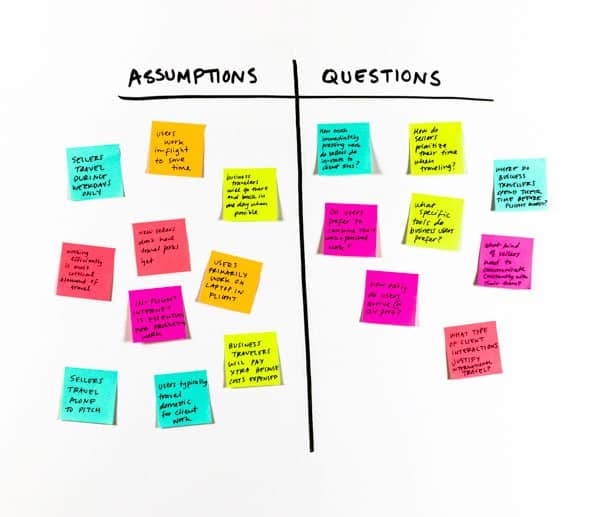
Assumption questions are a powerful tool in the realm of critical thinking. They allow us to dive deeper into the underlying assumptions that shape our thoughts, beliefs, and actions. By questioning these assumptions, we can gain a clearer understanding of our own perspectives and the world around us. In this article, we will explore what assumption questions are, how they can be used, and why they are essential in fostering critical thinking skills.
Assumption questions are designed to challenge our implicit assumptions, those beliefs that we often take for granted. These assumptions are the foundation upon which our thoughts and arguments are built. However, they are not always explicitly stated or consciously acknowledged. By asking assumption questions, we can uncover these hidden assumptions and evaluate their validity and relevance.
When we examine our assumptions, we open ourselves up to new possibilities and perspectives. Assumption questions prompt us to think critically and consider alternative viewpoints. They encourage us to question the status quo and challenge established beliefs. By doing so, we can overcome biases, broaden our understanding, and make informed decisions.
See these assumption questions:
- What is the underlying assumption in this argument?
- Are there any implicit assumptions in this statement?
- What evidence supports this assumption?
- Is this assumption based on facts or personal opinions?
- What would happen if we challenged this assumption?
- Are there any counterarguments to this assumption?
- How does this assumption affect the way we perceive the issue?
- What are the potential consequences of this assumption?
- Is this assumption based on stereotypes or generalizations?
- What are the limitations of this assumption?
- Could there be alternative explanations for this assumption?
- What are the implications of accepting or rejecting this assumption?
- How does this assumption align with our values and beliefs?
- What assumptions are we making about the intentions of others?
- Are there any cultural or societal biases underlying this assumption?
- Does this assumption apply universally or only in specific contexts?
- What are the long-term effects of this assumption?
- Are there any contradictions or inconsistencies in this assumption?
- What assumptions are being made about cause and effect?
- Is this assumption supported by reliable data or research?
- What are the ethical implications of this assumption?
- Does this assumption rely on logical reasoning or emotional appeal?
- Are there any hidden agendas behind this assumption?
- What assumptions are being made about human behavior?
- How does this assumption contribute to or hinder problem-solving?
- What assumptions do we have about our own capabilities?
- Are there any biases influencing this assumption?
- Does this assumption take into account different perspectives?
- What assumptions are we making about the future?
- How does this assumption impact our decision-making process?
- Are there any personal experiences shaping this assumption?
- What assumptions are being made about the intentions of others?
- Does this assumption rely on a cause-and-effect relationship?
- What assumptions are we making about the authenticity of information?
- Are there any cultural or societal biases underlying this assumption?
- Does this assumption apply universally or only in specific contexts?
- What are the long-term effects of this assumption?
- Are there any contradictions or inconsistencies in this assumption?
- What assumptions are being made about cause and effect?
- Is this assumption supported by reliable data or research?
- What are the ethical implications of this assumption?
- Does this assumption rely on logical reasoning or emotional appeal?
- Are there any hidden agendas behind this assumption?
- What assumptions are being made about human behavior?
These are just a few examples of assumption questions that can help unlock the power of critical thinking. By incorporating them into our thought processes, we can challenge our assumptions, expand our perspectives, and ultimately make more informed decisions. Embracing the habit of asking assumption questions is the key to fostering a culture of critical thinking and continuous learning.






