
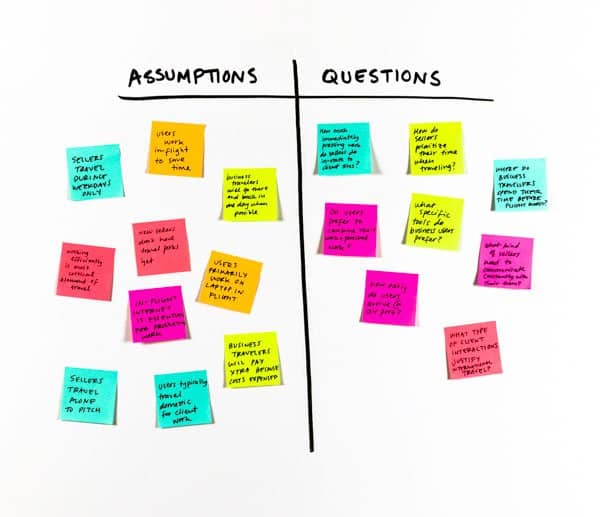
Assumptions are an integral part of human communication. We make assumptions about people, situations, and ideas every day, often without even realizing it. The assumptions we make can greatly impact our communication and relationships, as they shape our understanding and interpretation of the world around us. The assumptions game is a popular activity used to challenge and explore the assumptions we hold.
In the assumptions game, participants are encouraged to question their assumptions and consider alternative perspectives. This game helps foster empathy, critical thinking, and open-mindedness. By engaging in assumptions game questions, individuals can gain a deeper understanding of themselves and others, and improve their communication skills.
In this article, we will explore a list of assumptions game questions that you can use to spark meaningful conversations and challenge your own assumptions. These questions can be used in various settings, such as team-building activities, workshops, or even casual group discussions. Let’s dive in and see these assumptions game questions!
See these assumptions game questions:
- What assumptions do you make about people based on their appearance?
- Do you assume that everyone has the same values as you?
- What assumptions do you make about someone who disagrees with you?
- Do you assume that someone who is quiet is not interested in the conversation?
- What assumptions do you make about someone who is always late?
- Do you assume that someone who is wealthy is happy?
- What assumptions do you make about someone who is unemployed?
- Do you assume that someone who is single is lonely?
- What assumptions do you make about someone who has tattoos?
- Do you assume that someone who is older is wiser?
- What assumptions do you make about someone who is younger than you?
- Do you assume that someone who is religious is close-minded?
- What assumptions do you make about someone who is highly educated?
- Do you assume that someone who is introverted is shy?
- What assumptions do you make about someone who is extroverted?
- Do you assume that someone who is in a leadership position is confident?
- What assumptions do you make about someone who is in a lower position?
- Do you assume that someone who is always smiling is happy?
- What assumptions do you make about someone who is always serious?
- Do you assume that someone who is in a relationship is fulfilled?
- What assumptions do you make about someone who is divorced?
- Do you assume that someone who is overweight is lazy?
- What assumptions do you make about someone who is physically fit?
- Do you assume that someone who is artistic is not practical?
- What assumptions do you make about someone who is not artistic?
- Do you assume that someone who is emotionally expressive is fragile?
- What assumptions do you make about someone who is emotionally reserved?
- Do you assume that someone who is knowledgeable is always right?
- What assumptions do you make about someone who is less educated?
- Do you assume that someone who is successful is happy?
- What assumptions do you make about someone who is struggling financially?
- Do you assume that someone who is in therapy is mentally unstable?
- What assumptions do you make about someone who is not in therapy?
- Do you assume that someone who is in a different culture is not relatable?
- What assumptions do you make about someone who speaks with an accent?
- Do you assume that someone who is always busy is productive?
- What assumptions do you make about someone who is unemployed?
- Do you assume that someone who is in a long-distance relationship is unhappy?
- What assumptions do you make about someone who is in a same-sex relationship?
- Do you assume that someone who is in a traditional marriage is fulfilled?
- What assumptions do you make about someone who is in an open relationship?
These assumptions game questions serve as a starting point for deeper conversations and self-reflection. By challenging our assumptions and considering alternative perspectives, we can foster a more inclusive and empathetic society. Remember, assumptions are not facts, and it is essential to approach every situation with an open mind and a willingness to learn. So, the next time you catch yourself making an assumption, take a step back and ask yourself, “What if I’m wrong?”






