
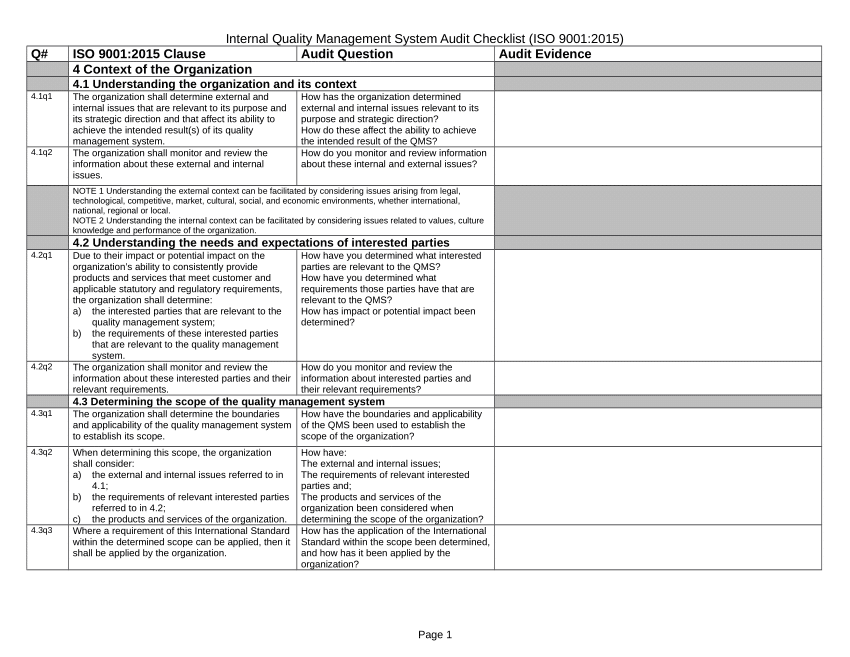
When it comes to managing a business, conducting regular audits is crucial for ensuring compliance, identifying areas for improvement, and maintaining operational efficiency. However, for an audit to be effective, it is essential to ask the right questions that address key management areas. In this article, we will explore a comprehensive list of audit questions for management that can help organizations evaluate their processes and practices.
Whether you are a small business owner or a manager in a large corporation, these audit questions can serve as a valuable tool to assess your management practices. By regularly reviewing and answering these questions, you can identify potential risks, uncover inefficiencies, and implement necessary changes to enhance overall performance and productivity.
Now, let’s dive into the audit questions for management that cover various aspects of organizational management, including strategic planning, risk management, financial management, and employee engagement.
See these audit questions for management
- What is the organization’s mission statement and how well is it communicated and understood by employees?
- Does the management team regularly review and update the organization’s strategic plan?
- How are risks identified, assessed, and mitigated within the organization?
- Are there clear policies and procedures in place for managing conflicts of interest?
- How does the organization monitor and manage compliance with applicable laws and regulations?
- Are there mechanisms in place to ensure the protection of sensitive and confidential information?
- What is the process for identifying and addressing potential fraud within the organization?
- How are financial statements prepared, reviewed, and approved?
- Are there controls in place to prevent unauthorized access to financial systems and data?
- How does the organization monitor and manage cash flow?
- What is the process for budgeting and forecasting?
- Are there mechanisms in place to track and report on key performance indicators?
- How are employee performance evaluations conducted and documented?
- What is the process for identifying and addressing employee training and development needs?
- Are there mechanisms in place to ensure fair and equitable compensation for employees?
- How does the organization promote diversity and inclusion in the workplace?
- What is the process for handling employee grievances and complaints?
- Are there mechanisms in place to ensure a safe and healthy work environment?
- How does the organization measure and monitor employee satisfaction and engagement?
- What is the process for identifying and addressing employee turnover?
- Are there mechanisms in place to encourage and recognize employee innovation and creativity?
- How does the organization communicate and reinforce its core values to employees?
- What is the process for managing and resolving conflicts among employees?
- Are there mechanisms in place to encourage teamwork and collaboration?
- How does the organization foster a culture of continuous improvement?
- What is the process for managing and addressing customer complaints?
- Are there mechanisms in place to measure and monitor customer satisfaction?
- How does the organization gather and analyze customer feedback?
- What is the process for identifying and addressing customer needs and expectations?
- Are there mechanisms in place to monitor and manage supplier performance?
- How does the organization ensure the quality and reliability of its products or services?
- What is the process for managing and addressing product or service defects or recalls?
- Are there mechanisms in place to monitor and manage the organization’s reputation and brand image?
- How does the organization assess and manage its impact on the environment?
- What is the process for identifying and addressing potential cybersecurity threats?
- Are there mechanisms in place to monitor and manage the organization’s online presence and social media activities?
- How does the organization ensure compliance with applicable data protection and privacy laws?
- What is the process for managing and addressing IT system vulnerabilities and risks?
- Are there mechanisms in place to monitor and manage the organization’s IT infrastructure and systems?
- How does the organization ensure the availability and reliability of its IT systems and networks?
- What is the process for managing and addressing IT system failures or disruptions?
- Are there mechanisms in place to monitor and manage the organization’s supply chain?
- How does the organization ensure transparency and accountability in its procurement processes?
These audit questions for management are just a starting point. Depending on your organization’s specific needs and industry, you may need to add or modify these questions to tailor them to your unique circumstances. By regularly reviewing and answering these questions, you can gain valuable insights into your management practices and make informed decisions to drive your organization’s success.






