
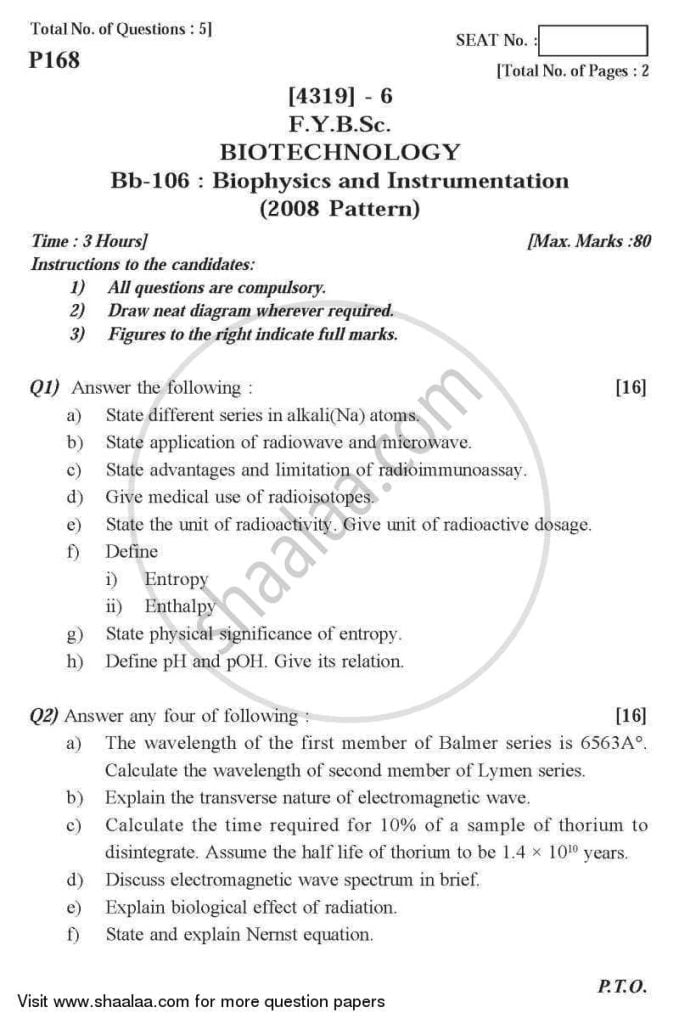
Biophysics is an interdisciplinary field that combines principles of physics with biology to understand the fundamental processes of life. It delves into the physical properties of biological systems, such as protein folding, molecular interactions, and cellular communication. As scientists uncover more about the intricate workings of living organisms, numerous questions arise that drive further research and exploration. In this article, we will explore some intriguing biophysics questions that shed light on the mysteries of life.
Biophysics is a rapidly evolving field, and researchers are constantly seeking answers to new questions. From understanding the mechanisms of diseases to unraveling the mysteries of evolution, biophysics plays a crucial role in advancing our knowledge of life. Let’s delve into some captivating questions that biophysicists are currently investigating.
How do proteins fold into their functional three-dimensional structures? What role does entropy play in protein folding? How does the structure of DNA contribute to its function? These are just a few of the questions that biophysicists strive to answer, using techniques such as X-ray crystallography, nuclear magnetic resonance, and computational modeling.
See these Biophysics Questions
- How do cells communicate with each other?
- What are the physical forces that shape cell membranes?
- How does the electrical activity of neurons contribute to brain function?
- What is the role of mechanical forces in cell migration?
- How does the structure of proteins determine their functions?
- What are the physical mechanisms behind muscle contraction?
- How do viruses enter and infect host cells?
- What are the forces that drive DNA replication?
- How do plants convert sunlight into chemical energy through photosynthesis?
- What are the physical properties of cell membranes?
- How do biophysical properties influence drug interactions with cells?
- What is the role of mechanical forces in embryonic development?
- How do ion channels regulate the electrical signals in cells?
- What are the physical mechanisms behind cell division?
- How does the structure of RNA molecules contribute to their functions?
- What are the physical properties of cell cytoskeleton?
- How do biophysical cues affect stem cell differentiation?
- What are the forces that drive molecular motors in cells?
- How does the structure of cell membranes allow selective permeability?
- What are the physical properties of DNA?
- How do cells maintain osmotic balance?
- What is the role of mechanical forces in tissue development?
- How do cells sense and respond to mechanical cues?
- What are the physical mechanisms behind protein-protein interactions?
- How does the structure of lipids contribute to their functions?
- What are the forces that shape the architecture of tissues?
- How do cells sense and respond to chemical signals?
- What are the physical properties of cell adhesion molecules?
- How does the structure of carbohydrates contribute to their functions?
- What are the forces that drive molecular transport across cell membranes?
- How do cells generate and transmit electrical signals?
- What are the physical mechanisms behind enzyme catalysis?
- How does the structure of organelles contribute to their functions?
- What are the forces that shape the morphology of cells?
- How do cells respond to mechanical stimuli?
- What are the physical properties of cell cytoplasm?
- How does the structure of viruses contribute to their infectivity?
- What are the forces that drive DNA transcription?
- How do cells sense and respond to light?
- What are the physical mechanisms behind protein folding?
- How does the structure of extracellular matrix contribute to tissue integrity?
- What are the forces that shape the dynamics of cell motility?
- How do cells respond to temperature changes?
These questions represent just a glimpse into the vast realm of biophysics. As scientists continue to explore the intricate mechanisms of life, they will undoubtedly uncover more questions that challenge our understanding of the world around us. Biophysics is a captivating field that offers endless opportunities for discovery and advancement, pushing the boundaries of our knowledge and paving the way for new breakthroughs in medicine, technology, and beyond.






