
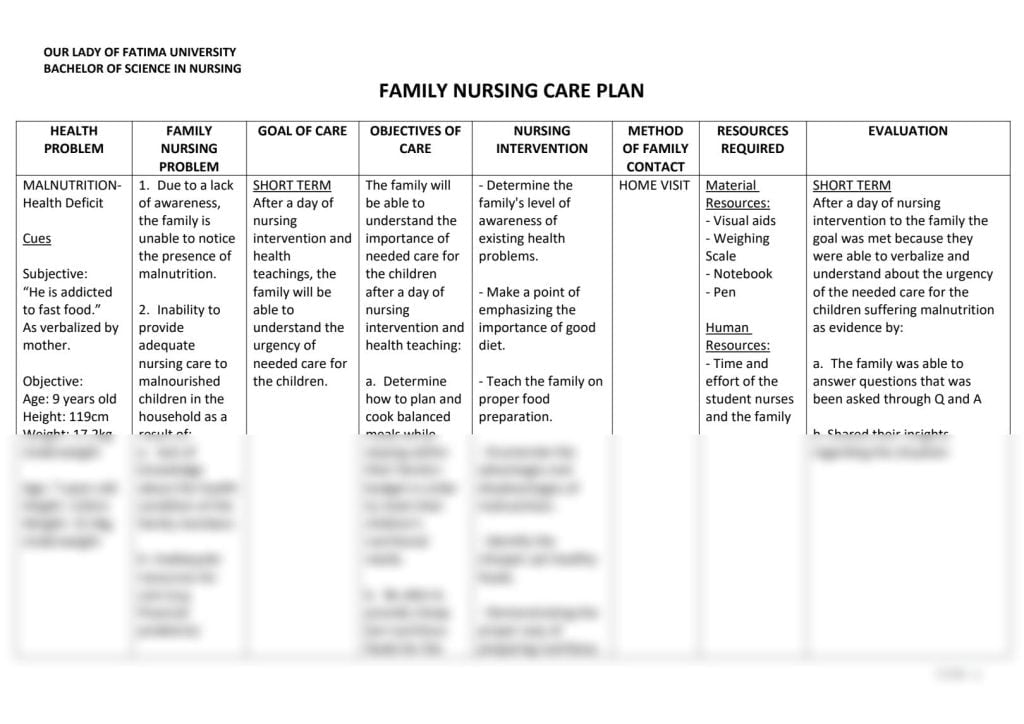
When it comes to providing care for yourself or a loved one, having a well-thought-out care plan is essential. A care plan outlines the specific needs and preferences of the individual and ensures that they receive the necessary support and assistance. However, creating a care plan can be a daunting task, especially if you are unsure about what questions to ask. In this article, we will provide you with a comprehensive list of care plan questions and answers to help you create an effective and personalized care plan.
Creating a care plan starts with gathering information about the individual’s medical history, current health condition, and daily routines. It is important to ask the right questions to ensure that all aspects of their care are addressed. One of the most important questions to ask is about their medical history, including any chronic illnesses, allergies, or medications they are currently taking.
Additionally, understanding their daily routines and preferences is crucial for developing a care plan that is tailored to their needs. This includes questions about their diet, exercise routine, hobbies, and social activities. By asking these questions, you can gain a better understanding of their lifestyle and incorporate it into their care plan.
See these Care Plan Questions and Answers
- What is your medical history?
- Do you have any chronic illnesses?
- What medications are you currently taking?
- Do you have any allergies?
- What are your dietary restrictions or preferences?
- Do you have any mobility issues?
- Are there any specific cultural or religious practices that need to be considered?
- What are your favorite hobbies or activities?
- Do you have any pets?
- What type of assistance do you need with daily activities?
- Do you prefer a specific caregiver gender?
- Are there any specific communication needs or preferences?
- What are your goals and aspirations?
- Do you have any financial constraints that need to be considered?
- Are there any legal matters that need to be addressed?
- Do you require any specialized medical equipment?
- Are there any cultural or religious dietary restrictions?
- What is your preferred mode of transportation?
- Do you have any specific preferences for your living environment?
- How do you prefer to manage your medications?
- Do you require any special assistance with personal care?
- What are your preferred communication methods?
- Do you have any fears or concerns about your care?
- Are there any specific social or community activities you would like to participate in?
- Do you have any favorite books, movies, or TV shows?
- What type of support system do you have in place?
- Do you have any specific spiritual or religious beliefs that need to be considered?
- Are there any specific cultural practices that need to be incorporated into your care?
- What type of assistance do you need with household chores?
- Do you have any specific preferences for your personal space?
- Are there any specific safety concerns that need to be addressed?
- Do you have any specific preferences for your meal times?
- What type of activities do you enjoy doing to relax?
- Do you have any specific preferences for your bathing or grooming routines?
- Are there any specific hobbies or interests you would like to pursue?
- What type of support do you need with managing your finances?
- Do you have any specific goals or milestones you would like to achieve?
- Are there any specific cultural or religious celebrations you would like to participate in?
- What type of support do you need with managing your appointments and schedules?
- Do you have any specific preferences for your clothing or personal style?
- Are there any specific preferences or concerns regarding your sleeping routine?
- Do you have any specific preferences for your social interactions?
- What type of support do you need with managing your emotional well-being?
These care plan questions and answers are just a starting point to help you create a personalized care plan. It is essential to have open and ongoing communication with the individual and their healthcare team to ensure that their needs are met and their care plan is regularly updated. By addressing these questions and considering the individual’s preferences and goals, you can create a care plan that promotes their overall well-being and enhances their quality of life.






