
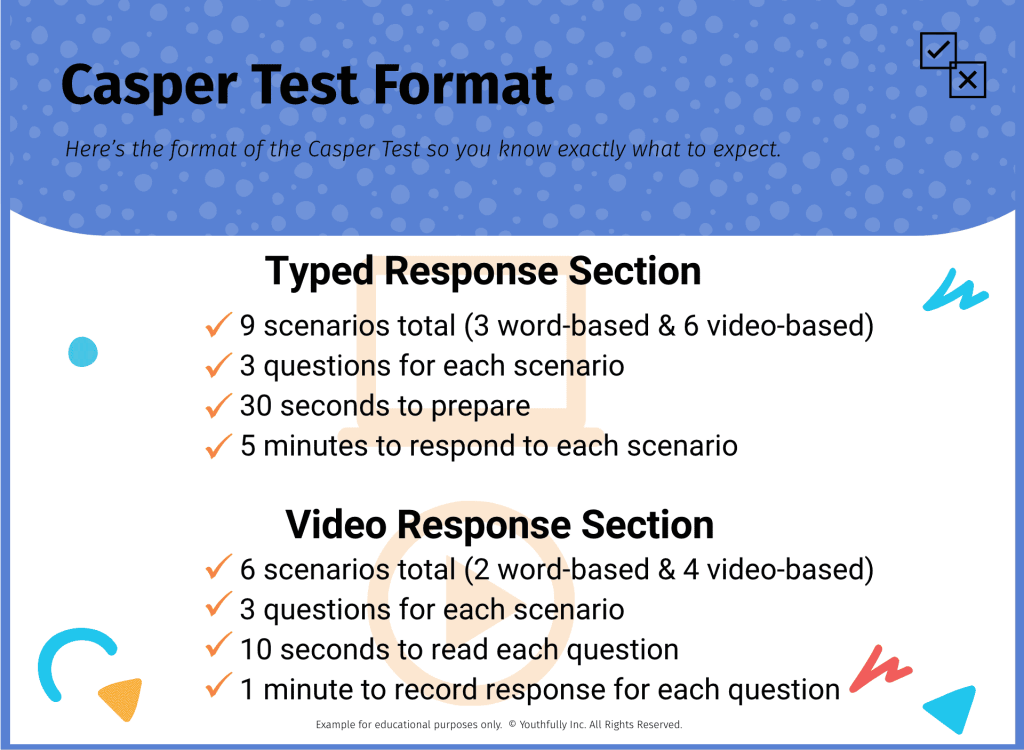
When preparing for the Casper test, it is important to be knowledgeable about the types of questions that may be asked. The Casper test is an online situational judgment test that is used by many medical schools in their admissions process. It is designed to assess an applicant’s personal and professional characteristics, as well as their ability to handle ethical and moral dilemmas.
In this article, we will provide you with a list of Casper personal questions that you may encounter during the test. These questions are aimed at evaluating your personal qualities, values, and decision-making skills. By familiarizing yourself with these questions, you can better prepare yourself for the Casper test and increase your chances of success.
Remember, there are no right or wrong answers to these questions. The purpose of the Casper test is to gauge your ability to think critically and make ethical choices. It is essential to answer honestly and thoughtfully, showcasing your unique qualities and demonstrating your potential as a future healthcare professional.
See These Casper Personal Questions
- How do you handle stress and pressure?
- Describe a situation where you had to make a difficult decision.
- What are your core values and how do they influence your decision-making?
- How do you handle conflicts with colleagues or team members?
- Describe a time when you had to work in a team to achieve a common goal.
- How do you prioritize your tasks and manage your time effectively?
- Describe a time when you had to show empathy towards a patient or client.
- What steps do you take to ensure your personal growth and development?
- How do you handle criticism or feedback?
- Describe a situation where you had to advocate for someone’s rights.
- What motivates you to pursue a career in healthcare?
- How do you approach ethical dilemmas in patient care?
- Describe a time when you had to adapt to a new and challenging situation.
- What steps do you take to maintain a work-life balance?
- How do you handle difficult or demanding patients?
- Describe a situation where you had to take a leadership role.
- What role do you believe empathy plays in patient care?
- How do you handle cultural or religious differences in patient care?
- Describe a time when you had to handle a confidential or sensitive matter.
- What steps do you take to ensure patient safety?
- How do you stay updated with medical advancements and research?
- Describe a situation where you had to work with a challenging team member.
- What steps do you take to manage your own stress and well-being?
- How do you handle the emotional aspects of patient care?
- Describe a time when you had to demonstrate resilience in the face of adversity.
- What role do you believe communication plays in healthcare?
- How do you handle situations where your personal beliefs conflict with patient preferences?
- Describe a situation where you had to provide feedback to a colleague.
- What steps do you take to ensure patient confidentiality?
- How do you handle situations where you disagree with a superior’s decision?
- How do you approach continuous learning and professional development?
- Describe a time when you had to collaborate with professionals from different disciplines.
- What role do you believe teamwork plays in healthcare?
- How do you handle situations where you witness unethical behavior?
- Describe a situation where you had to advocate for a vulnerable patient.
- What steps do you take to ensure effective communication with patients?
- How do you handle situations where you make a mistake in patient care?
- How do you approach situations where patients have unrealistic expectations?
- Describe a time when you had to address a patient’s cultural or religious beliefs.
- What steps do you take to ensure a patient-centered approach to care?
- How do you handle situations where you have to deliver bad news to a patient?
- Describe a situation where you had to work with limited resources.
- What role do you believe ethics plays in healthcare?
- How do you handle situations where you witness discriminatory behavior?
These are just a few examples of the types of Casper personal questions you may encounter during the test. It is essential to practice answering these questions in a concise and thoughtful manner. By doing so, you can showcase your personal qualities and demonstrate your suitability for a career in healthcare.
Remember, the Casper test is not about memorizing answers, but rather about displaying your critical thinking skills and ethical decision-making abilities. Take the time to reflect on your own values and experiences, and use them to provide authentic and meaningful responses to the Casper personal questions.






