
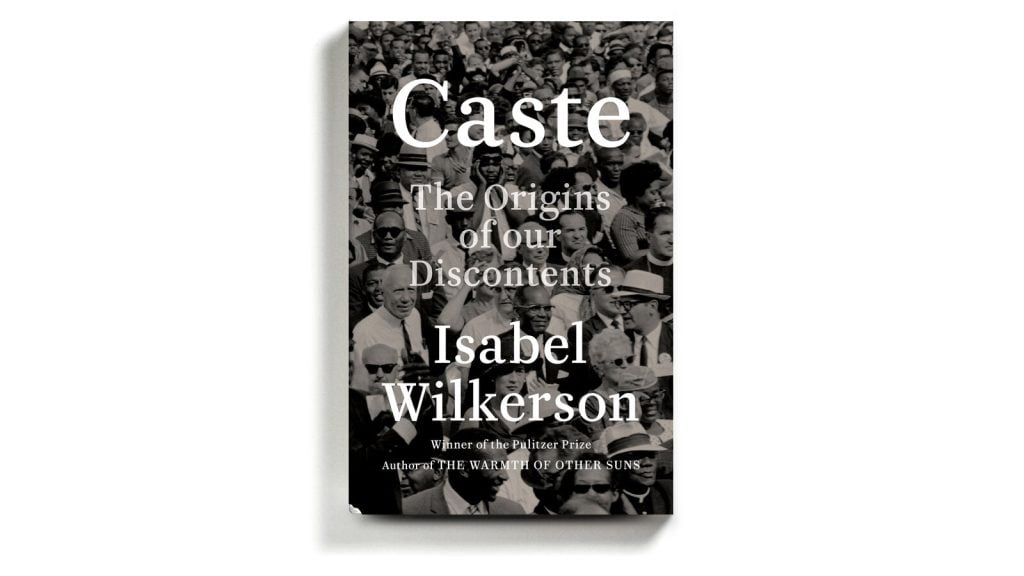
When it comes to book clubs, one of the most important aspects is having engaging and thought-provoking questions to discuss. If your book club is currently reading “Caste: The Origins of Our Discontents” by Isabel Wilkerson, you’re in luck! This powerful and eye-opening book explores the impact of caste systems on society and invites readers to reflect on their own experiences and biases.
Whether you’re a member of a book club or an individual looking for insightful questions to ponder, this article has got you covered. Below, you’ll find a comprehensive list of caste book club questions that will provide a jumping-off point for stimulating discussions.
Before diving into the questions, it’s worth noting that book clubs are a fantastic way to gain new perspectives, challenge your existing beliefs, and foster empathy. “Caste: The Origins of Our Discontents” is a remarkable piece of literature that sheds light on the complexities of caste systems, and the following questions aim to delve deeper into its themes and messages.
See these caste book club questions
- How does the author define caste in the book?
- What are some real-world examples of caste systems?
- How does caste intersect with other social hierarchies, such as race and gender?
- What role does history play in shaping caste systems?
- What are the consequences of perpetuating caste systems?
- Do you think caste systems still exist in modern society?
- How does the concept of caste relate to privilege and power?
- Discuss the significance of the term “dominant caste.”
- What are some ways caste discrimination manifests itself in daily life?
- How does the author challenge the notion of meritocracy?
- What is the impact of caste on education and access to opportunities?
- How does caste affect social mobility?
- Discuss the role of religion in reinforcing or challenging caste systems.
- What can individuals do to dismantle caste systems?
- How does the book explore the intersectionality of caste and race in the United States?
- What connections can be drawn between caste systems and other forms of oppression?
- Discuss the psychological effects of living in a caste-based society.
- What role do institutions play in perpetuating caste systems?
- How does the media contribute to the perpetuation of caste-based stereotypes?
- Do you think caste systems can ever be fully eradicated?
- What are the challenges of addressing caste privilege within one’s own community?
- Discuss the concept of “othering” in the context of caste systems.
- What are the economic implications of caste-based discrimination?
- How does the book challenge the notion of a “post-racial” society?
- What are the parallels between caste systems and systems of apartheid?
- How does caste influence healthcare disparities?
- Discuss the role of allyship in dismantling caste systems.
- What are the consequences of ignoring or denying the existence of caste systems?
- How does caste intersect with the criminal justice system?
- Discuss the impact of caste systems on mental health.
- What can be done to address caste-based violence?
- How does the book challenge the idea of a “post-caste” society in India?
- What are some historical examples of resistance against caste systems?
- Discuss the role of caste in politics and governance.
- How does caste affect marriage and relationships?
- What are some strategies for promoting caste equality?
- Discuss the importance of caste solidarity in fighting against oppression.
- How does caste intersect with the concept of intersectionality?
- What are the implications of caste systems on the environment?
- How does the book challenge the idea of a “color-blind” society?
- Discuss the impact of caste systems on economic development.
- What are some global efforts to address caste-based discrimination?
- How does caste intersect with the LGBTQ+ community?
These caste book club questions are just a starting point for your discussions. Feel free to elaborate, share personal experiences, and encourage respectful dialogue within your book club. Remember, the goal is not to find definitive answers, but to deepen your understanding and empathy for others.
Happy reading and discussing!






