
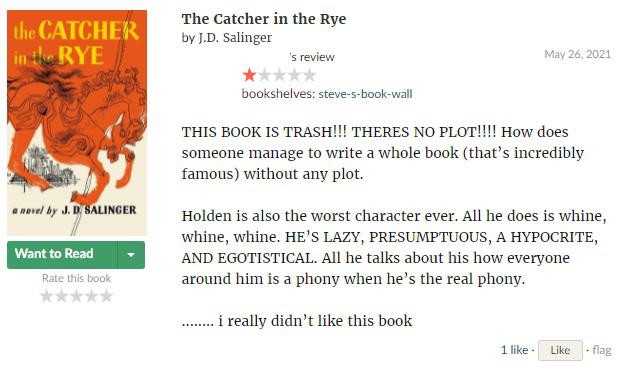
The Catcher in the Rye, written by J.D. Salinger, is a classic novel that has captured the attention of readers for decades. Set in the 1950s, the story follows the protagonist, Holden Caulfield, as he navigates his way through adolescence and struggles with the complexities of growing up. The novel raises numerous thought-provoking questions about identity, morality, and the challenges of transitioning into adulthood.
In this article, we will explore some of the most intriguing Catcher in the Rye questions that have captivated readers and sparked discussions over the years. These questions delve into the themes and characters of the novel, offering a deeper understanding of Salinger’s masterpiece.
Whether you’re a literature enthusiast, a student studying the novel, or simply curious about the profound concepts explored in The Catcher in the Rye, these questions will allow you to contemplate the deeper meanings behind the story and its impact on society.
See these Catcher in the Rye Questions
- What is the significance of the title “The Catcher in the Rye”?
- How does Holden Caulfield’s character change throughout the novel?
- What role does Phoebe play in Holden’s life?
- What is the symbolism behind the red hunting hat?
- How does the theme of alienation manifest in the novel?
- What is the importance of the Museum of Natural History in the story?
- What does Holden’s obsession with innocence reveal about his character?
- How does Holden’s relationship with his parents influence his behavior?
- What is the significance of Holden’s repeated use of the word “phony”?
- What role does Allie’s death play in Holden’s emotional state?
- How does the setting of New York City contribute to the overall story?
- What is the impact of Holden’s encounters with various characters he meets?
- Why does Holden have a strong aversion to adulthood?
- What is the symbolism behind the ducks in Central Park?
- How does Holden’s narrative style contribute to the storytelling?
- What is the significance of the carousel scene?
- How does the novel explore the theme of phoniness in society?
- What is the message Salinger is trying to convey through Holden’s story?
- What is the role of sexuality in the novel?
- How does Holden’s relationship with Jane Gallagher impact his outlook on life?
- What is the connection between Holden’s desire for isolation and his fear of growing up?
- What is the significance of Holden’s failed attempts to connect with others?
- How does the novel address the theme of identity?
- What is the role of depression in Holden’s life?
- What is the significance of the cliffside scene near the end of the novel?
- How does the novel explore the theme of loss?
- What is the impact of Holden’s encounters with innocence throughout the story?
- What is the significance of the recurring motif of the color red?
- How does the novel portray the concept of growing up?
- What is the role of rebellion in Holden’s character?
- What is the symbolism behind Holden’s obsession with the ducks and fish?
- How does the novel address the theme of authenticity?
- What is the significance of Holden’s relationships with Sally Hayes and Sunny?
- How does the novel explore the theme of loneliness?
- What is the impact of Holden’s encounters with authority figures?
- What is the symbolism behind the graffiti in Phoebe’s school?
- How does the novel address the theme of innocence?
- What is the significance of Holden’s desire to be the “catcher in the rye”?
- How does the novel challenge societal norms and expectations?
- What is the role of friendship in Holden’s life?
- What is the significance of Holden’s encounters with death?
- How does the novel explore the theme of mental health?
- What is the impact of Holden’s encounters with hypocrisy?
- What is the symbolism behind Holden’s red hunting hat?
These Catcher in the Rye questions are just a starting point for your exploration of this compelling novel. As you dive deeper into the story, take the time to reflect on these questions and form your own interpretations. The beauty of The Catcher in the Rye lies in its ability to provoke thought and spark meaningful conversations about the complexities of life.






