
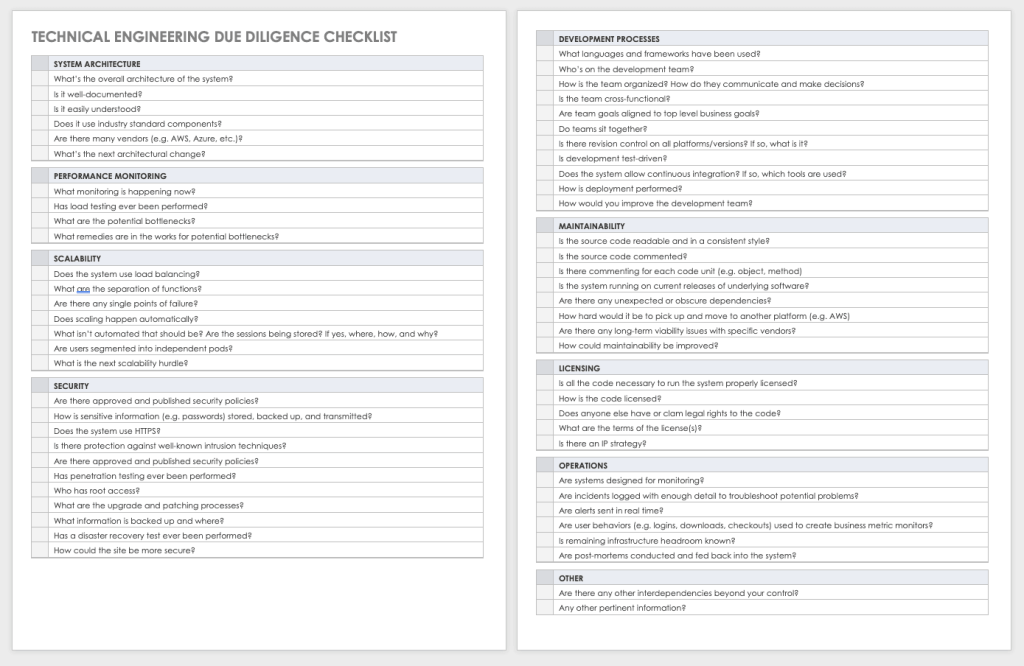
When it comes to conducting a thorough due diligence process, asking the right questions is crucial. CDD, or Customer Due Diligence, is an essential step in assessing potential clients or business partners to minimize risks and ensure compliance with legal and regulatory requirements. In this article, we will explore some common CDD questions that can help you gather valuable information and make informed decisions.
Before diving into the specific questions, it is important to note that the CDD process may vary depending on the industry, jurisdiction, and specific circumstances. Therefore, it is recommended to tailor the questions to your unique needs and consult legal and compliance professionals when necessary.
Now, let’s move on to the essential CDD questions that can provide insights into the background, reputation, and risk profile of a potential client or business partner.
See these CDD questions:
- What is the legal name of the customer or business entity?
- What is the physical address of the customer or business entity?
- What is the nature of the customer’s or business entity’s business?
- Are there any subsidiaries or affiliated entities?
- Who are the ultimate beneficial owners of the customer or business entity?
- What is the source of the customer’s or business entity’s wealth or funds?
- Has the customer or business entity been involved in any criminal activities?
- Has the customer or business entity been subject to any regulatory investigations or sanctions?
- Has the customer or business entity been involved in any money laundering or terrorist financing activities?
- Do any politically exposed persons (PEPs) have a connection with the customer or business entity?
- What is the customer’s or business entity’s credit history?
- What is the customer’s or business entity’s reputation in the market?
- What is the customer’s or business entity’s relationship with other financial institutions?
- What is the customer’s or business entity’s tax compliance status?
- Does the customer or business entity have any ongoing legal disputes or litigation?
- What is the customer’s or business entity’s ownership structure?
- Does the customer or business entity have any high-risk clients or business partners?
- What is the customer’s or business entity’s country of incorporation?
- Is the customer or business entity subject to any international sanctions or embargoes?
- What is the customer’s or business entity’s anticipated transaction volume?
- What is the customer’s or business entity’s anticipated source of funds for the transactions?
- Is the customer or business entity involved in any politically sensitive sectors?
- What are the customer’s or business entity’s anti-money laundering policies and procedures?
- What are the customer’s or business entity’s data protection and privacy policies?
- What are the customer’s or business entity’s risk management practices?
- What are the customer’s or business entity’s internal controls and compliance mechanisms?
- Does the customer or business entity have any connections to organized crime?
- What is the customer’s or business entity’s level of involvement in offshore jurisdictions?
- Does the customer or business entity have any beneficial owners who prefer to remain anonymous?
- What is the customer’s or business entity’s financial stability?
- What are the customer’s or business entity’s expected business activities and transactions?
- Are there any red flags or suspicious indicators associated with the customer or business entity?
- What due diligence procedures have been conducted by other parties?
- What are the customer’s or business entity’s internal policies and codes of conduct?
- What are the customer’s or business entity’s relationships with politically exposed persons?
- What are the customer’s or business entity’s financial statements and reports?
- What are the customer’s or business entity’s insurance coverage and risk management strategies?
- What are the customer’s or business entity’s third-party relationships and contracts?
- What are the customer’s or business entity’s disclosure practices?
- What are the customer’s or business entity’s past business failures or bankruptcies?
- What are the customer’s or business entity’s compliance with environmental regulations?
- What are the customer’s or business entity’s cybersecurity measures and vulnerabilities?
- What are the customer’s or business entity’s current and future business objectives?
Remember, the above questions are not exhaustive, and additional inquiries may be required based on your specific circumstances. Conducting thorough CDD is crucial in today’s complex business environment to mitigate risks and ensure compliance with legal and regulatory requirements.






