
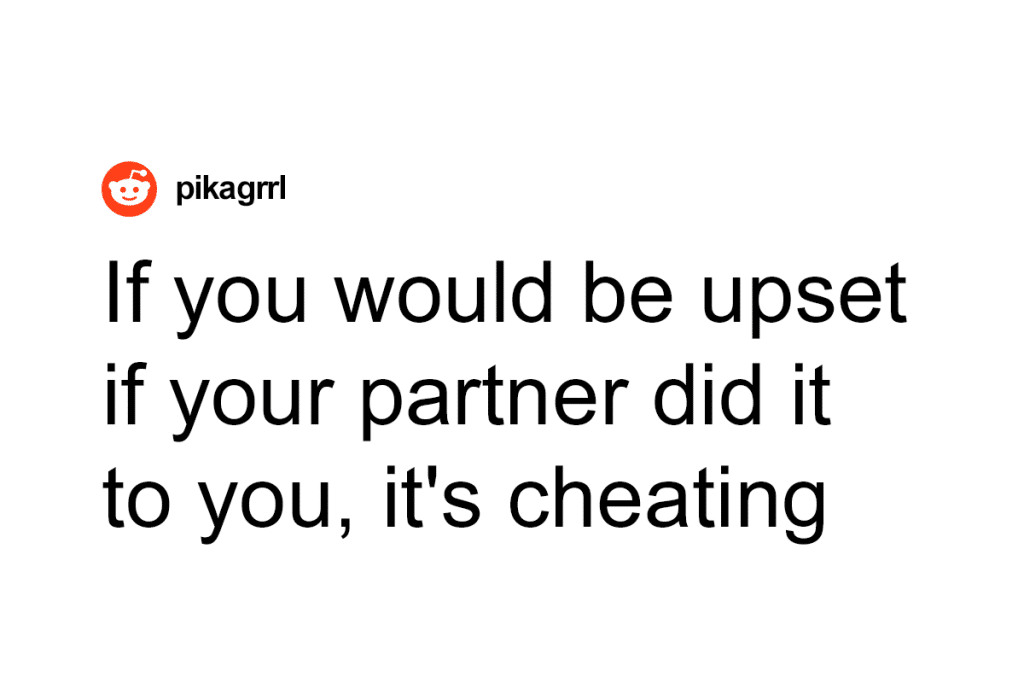
Cheating is a topic that sparks controversy and raises ethical concerns in various aspects of life, including education, relationships, and sports. It is essential to have open discussions about cheating to understand its causes, consequences, and potential solutions. This article aims to provide a comprehensive list of cheating discussion questions that can be used in classrooms, workshops, or casual conversations to promote critical thinking and reflection.
Discussing cheating allows individuals to explore the reasons behind this unethical behavior and cultivate empathy towards those who engage in it. It also helps in developing strategies to prevent cheating and create a supportive environment that encourages honesty and integrity. Whether you are an educator, a student, or someone interested in ethical dilemmas, these discussion questions will stimulate thoughtful conversations on the topic of cheating.
Remember that when discussing cheating, it is crucial to maintain a respectful atmosphere and encourage active listening. Let’s dive into these cheating discussion questions and explore the complexities surrounding this issue.
See these cheating discussion questions
- What is your understanding of cheating?
- Have you ever witnessed or experienced cheating? How did it make you feel?
- Do you think cheating is more prevalent today compared to the past? Why or why not?
- What are some common reasons why people cheat?
- How does cheating impact the integrity of academic institutions?
- What role does the pressure to succeed play in cheating?
- Have you ever been tempted to cheat? What stopped you?
- How can educators identify and prevent cheating in the classroom?
- What strategies can be implemented to promote academic integrity?
- How does cheating affect the learning experience of other students?
- Is cheating acceptable in certain circumstances? Why or why not?
- What are the consequences of cheating in professional settings?
- How does cheating impact personal relationships?
- Should cheating be considered a criminal offense?
- What are the psychological factors that contribute to cheating?
- How can parents teach their children about the importance of honesty?
- What role does technology play in facilitating cheating?
- What measures can be taken to deter cheating in online exams?
- How do cultural differences influence attitudes towards cheating?
- What are the potential long-term effects of cheating?
- Should cheating be a cause for expulsion or suspension in schools?
- What are the ethical implications of helping someone cheat?
- How can schools create an environment that discourages cheating?
- What resources are available to support students who struggle academically?
- How can we balance the pressure to succeed with the importance of integrity?
- What are some alternative forms of assessment that can minimize cheating?
- How can employers prevent cheating in the workplace?
- What are the effects of cheating on self-esteem and self-worth?
- Should cheating be forgiven if the person shows remorse?
- How can students resist the temptation to cheat?
- What role does the education system play in promoting or discouraging cheating?
- Should cheating be treated as a mental health issue?
- How can schools educate students about the consequences of cheating?
- What are the legal consequences of cheating on exams or in professional fields?
- What are some effective ways to address cheating in relationships?
- Does the fear of failure contribute to the prevalence of cheating?
- What are the long-term effects of cheating on personal and professional growth?
- How can schools and universities create a culture of academic honesty?
- What are the potential consequences of turning a blind eye to cheating?
- How can cheating be detected in online learning environments?
- What role do parents play in preventing cheating?
- Should cheating be treated as a disciplinary issue or an opportunity for growth?
- What are some examples of cheating in the sports industry?
- How can sports organizations tackle the issue of cheating?
These cheating discussion questions are just the tip of the iceberg. They provide a starting point for exploring the complexities and implications of cheating in various contexts. By engaging in these discussions, we can collectively work towards creating a world that values honesty, integrity, and fairness.






