
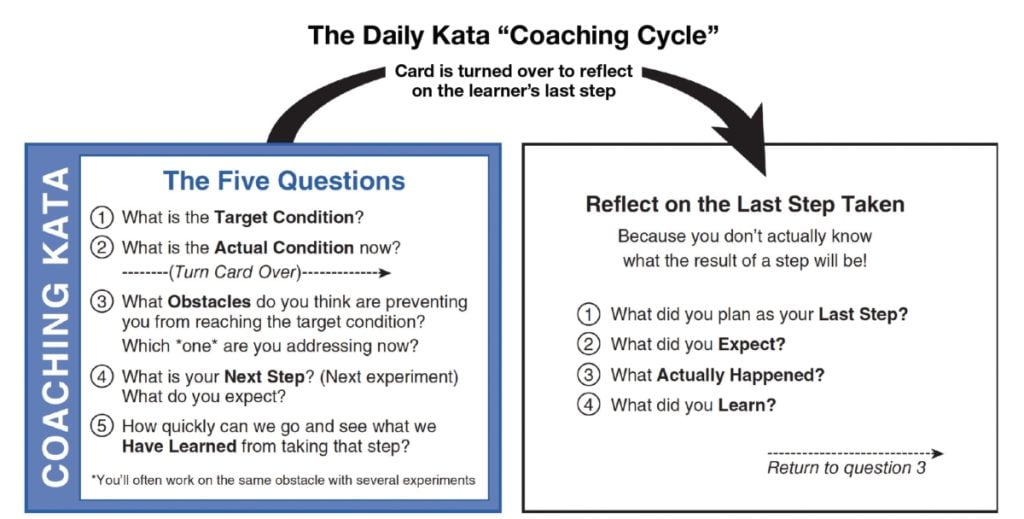
Coaching kata questions are a powerful tool used in coaching sessions to encourage critical thinking and problem-solving skills. The term “kata” refers to a set of practice routines used in martial arts to perfect techniques. Similarly, coaching kata questions are designed to help individuals develop their skills and improve their performance in various areas of their lives.
Coaching kata questions are open-ended and thought-provoking, aiming to challenge individuals’ assumptions and encourage them to find their own solutions. These questions are highly effective in coaching sessions as they promote self-reflection and help individuals gain insights into their actions and behaviors. By asking the right coaching kata questions, coaches can guide individuals towards personal and professional growth.
In this article, we will explore a comprehensive list of coaching kata questions that can be used in various coaching contexts. These questions are designed to stimulate critical thinking and empower individuals to take ownership of their development.
See these coaching kata questions
- What is the main obstacle you are currently facing?
- How can you break down this problem into smaller, manageable parts?
- What are the potential consequences of not taking action?
- What are the different perspectives on this issue?
- How can you leverage your strengths to overcome this challenge?
- What is the worst-case scenario, and how can you prepare for it?
- What are the possible solutions you have considered so far?
- What can you learn from past experiences that can be applied to this situation?
- What resources or support do you need to overcome this obstacle?
- How can you turn this challenge into an opportunity for growth?
- What are the potential risks involved in taking a particular course of action?
- What are the underlying assumptions that influence your perspective on this issue?
- What is the first step you can take towards resolving this problem?
- How can you measure your progress towards overcoming this challenge?
- What are the potential roadblocks you might encounter along the way?
- What alternative solutions have you considered?
- How can you involve others to support you in this process?
- What new skills or knowledge do you need to acquire to overcome this obstacle?
- How can you stay motivated and focused on your goal?
- What are the potential consequences of taking a particular course of action?
- What are the key factors influencing this situation?
- How can you prioritize your actions to address this challenge?
- What is the best-case scenario, and how can you work towards it?
- What are the potential benefits of overcoming this obstacle?
- How can you leverage your network to gain support and insights?
- What are the potential obstacles that might prevent you from taking action?
- What are the different strategies you can use to approach this problem?
- How can you maintain a positive mindset throughout this process?
- What are the potential opportunities that can arise from addressing this challenge?
- How can you adapt your approach based on feedback and new information?
- What are the potential long-term effects of not resolving this issue?
- What are the potential short-term wins you can achieve?
- How can you break free from any limiting beliefs or self-imposed barriers?
- What are the potential trade-offs you need to consider?
- How can you learn from setbacks and failures?
- What are the potential risks of not taking any action?
- How can you create a supportive environment to help you overcome this challenge?
- What are the potential emotional or psychological barriers you need to address?
- How can you celebrate small wins along the way?
- What are the potential learning opportunities embedded in this obstacle?
- How can you create a step-by-step plan to tackle this problem?
- What are the potential alternative perspectives you can explore?
- How can you build resilience and perseverance?
- What are the potential consequences of delaying action?
These coaching kata questions are just a starting point. As a coach, it is essential to tailor your questions to the individual’s needs and goals. By asking the right questions, you can guide individuals towards finding their own solutions and unlocking their full potential.






