
Concept checking questions (CCQs) are an essential tool for teachers to ensure their students have understood a new concept or language point. These questions are designed to check the students’ comprehension and encourage critical thinking. By asking concept checking questions, teachers can assess whether further explanation or clarification is needed before moving on to the next topic. CCQs can be used in various educational settings, including language classrooms, science classes, and even business training sessions.
When introducing a new concept, it is crucial to check for understanding to avoid any potential confusion or misconceptions. CCQs help teachers gauge whether their students have grasped the main idea and can apply it correctly. They also provide an opportunity for students to reflect on what they have learned and consolidate their knowledge. By using CCQs, teachers can identify any gaps in understanding and address them promptly, ensuring a solid foundation for further learning.
CCQs are typically short, closed-ended questions that can be answered with a simple “yes” or “no” or a brief explanation. They focus on the key elements of the concept being taught and aim to clarify any potential misunderstandings. These questions can be asked individually or in groups, depending on the classroom dynamics and the teacher’s preferred teaching style.
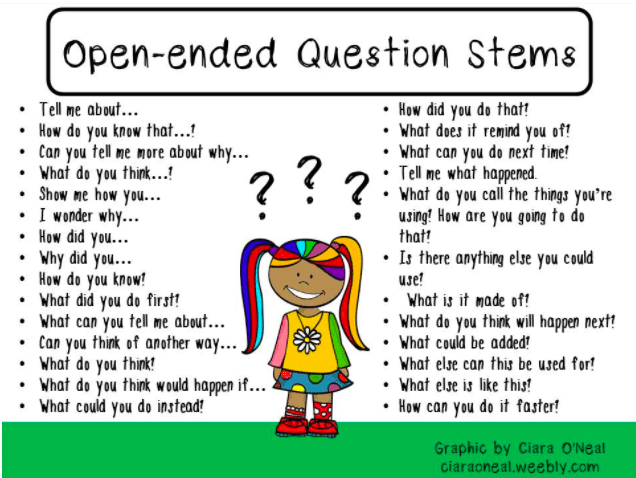
See these concept checking questions
- Can you explain what this concept means in your own words?
- What are the main characteristics of this concept?
- Can you give an example of how this concept is applied in real life?
- Do you think this concept applies to different situations?
- What do you think would happen if this concept was not present?
- Can you identify any similarities between this concept and another one we have discussed?
- Can you think of any exceptions to this concept?
- How does this concept relate to our previous lesson?
- Can you summarize the steps involved in applying this concept?
- What are the potential benefits of understanding this concept?
- Can you think of any possible challenges or limitations related to this concept?
- What would be the opposite of this concept?
- How does this concept align with current research in the field?
- What would be the consequences of not considering this concept?
- Can you identify any misconceptions that people might have about this concept?
- Can you think of any alternative ways to explain this concept?
- How does this concept connect with our everyday lives?
- Can you think of any cultural implications related to this concept?
- What would happen if this concept was applied differently?
- Can you identify any potential ethical considerations related to this concept?
- How would you explain this concept to a younger child?
- Can you think of any historical examples that illustrate this concept?
- What are the key factors that influence this concept?
- Can you predict any future developments or changes related to this concept?
- How does this concept relate to current events?
- What are some common misconceptions about this concept?
- Can you give an analogy to help explain this concept?
- What would be the implications of disregarding this concept?
- Can you identify any potential applications of this concept in different fields?
- How does this concept align with our personal experiences?
- Can you think of any potential challenges in implementing this concept?
- What would be the long-term effects of understanding this concept?
- Can you identify any potential biases related to this concept?
- How does this concept relate to current societal issues?
- What are the key components of this concept?
- Can you think of any famous examples that embody this concept?
- What would be the benefits of teaching this concept to others?
- Can you think of any potential controversies or debates surrounding this concept?
- How does this concept contribute to our understanding of the world?
- Can you give a practical example of how this concept can be applied?
- What would be the implications of further research on this concept?
- Can you identify any potential misconceptions that people might have about this concept?
- How does this concept relate to our current curriculum?
These concept checking questions serve as a starting point for teachers to assess their students’ understanding and engage them in meaningful discussions. By using CCQs, teachers can ensure that their students have a solid grasp of the concepts being taught and can confidently apply them in various contexts. Regular use of concept checking questions can greatly enhance the learning experience and promote critical thinking skills among students.






