
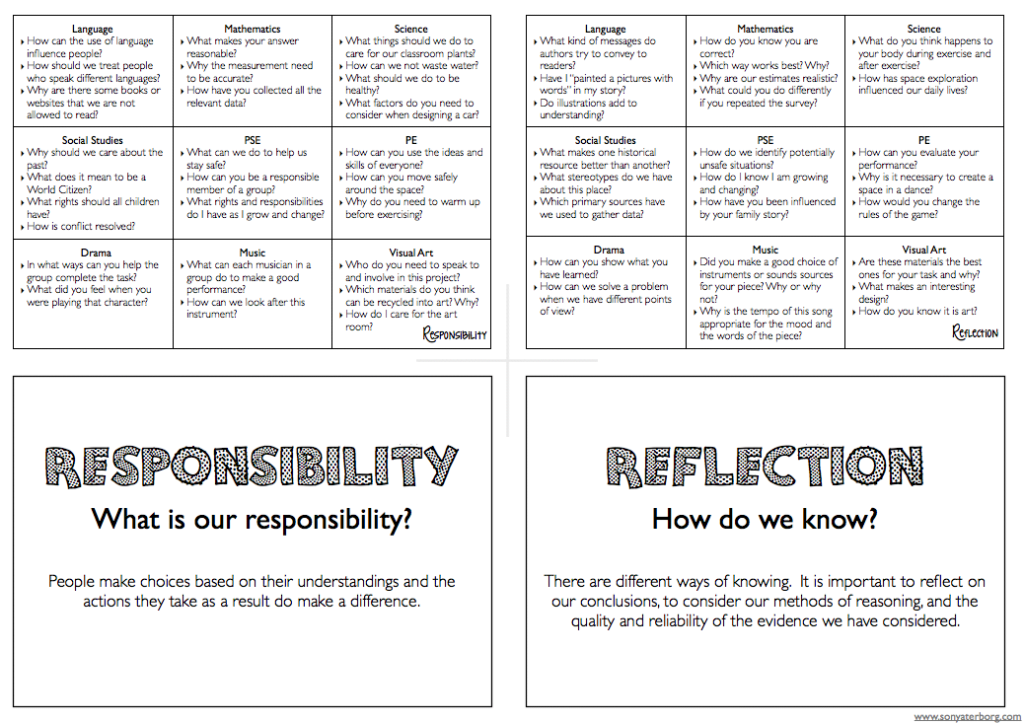
Concept questions are an essential tool for educators and trainers to assess students’ understanding of key concepts. These questions are designed to probe students’ knowledge and comprehension of a particular topic or subject matter. By asking concept questions, instructors can gauge the effectiveness of their teaching methods and identify areas where students may need further clarification or guidance.
Concept questions are open-ended and encourage critical thinking and problem-solving skills. They require students to think deeply about the subject matter and articulate their understanding in a coherent and logical manner. These questions can be posed in various formats, such as multiple-choice, short answer, or essay questions, depending on the learning objectives and assessment strategies employed by the instructor.
Using concept questions in the classroom not only helps instructors evaluate students’ comprehension but also fosters active learning. By encouraging students to reflect on their understanding, these questions promote engagement and participation in the learning process. Moreover, concept questions provide an opportunity for students to clarify any misconceptions or gaps in their knowledge, leading to a deeper understanding of the topic.
See these concept questions
- What is the definition of gravity?
- How does photosynthesis occur in plants?
- What are the main functions of the respiratory system?
- Explain the concept of supply and demand in economics.
- What are the different types of chemical reactions?
- Describe the process of cell division.
- What is the role of enzymes in biological reactions?
- Explain the concept of inertia.
- What are the major components of the nervous system?
- How does the greenhouse effect contribute to climate change?
- What is the difference between renewable and non-renewable energy sources?
- Describe the structure and function of DNA.
- What are the key principles of democracy?
- Explain the concept of natural selection in evolution.
- How do plants obtain and transport water?
- What are the properties of acids and bases?
- Describe the process of mitosis.
- What are the main factors that influence economic growth?
- Explain the concept of cultural relativism.
- How does the immune system protect the body from infections?
- What is the role of genes in determining traits?
- Describe the structure and function of the cardiovascular system.
- What are the stages of the water cycle?
- Explain the concept of globalization.
- How do animals adapt to their environments?
- What are the main branches of government in a democratic system?
- Describe the process of protein synthesis.
- What are the major economic indicators used to measure a country’s performance?
- Explain the concept of cultural diffusion.
- How do vaccines work to prevent diseases?
- What is the relationship between genotype and phenotype?
- Describe the structure and function of the skeletal system.
- What are the causes and effects of inflation?
- Explain the concept of social stratification.
- How do antibiotics kill bacteria?
- What is the impact of climate change on biodiversity?
- What are the main stages of human development?
- Describe the process of cellular respiration.
- What are the factors that contribute to economic inequality?
- Explain the concept of cultural identity.
- How do painkillers work in the human body?
- What is the importance of conserving natural resources?
- Describe the structure and function of the digestive system.
- What are the main causes of unemployment?
These are just a few examples of concept questions that can be used to assess students’ understanding across different disciplines. Incorporating concept questions into lesson plans and assessments can greatly enhance the learning experience and promote critical thinking skills. By regularly evaluating students’ comprehension, instructors can tailor their teaching strategies to address individual needs and ensure effective knowledge transfer.






