
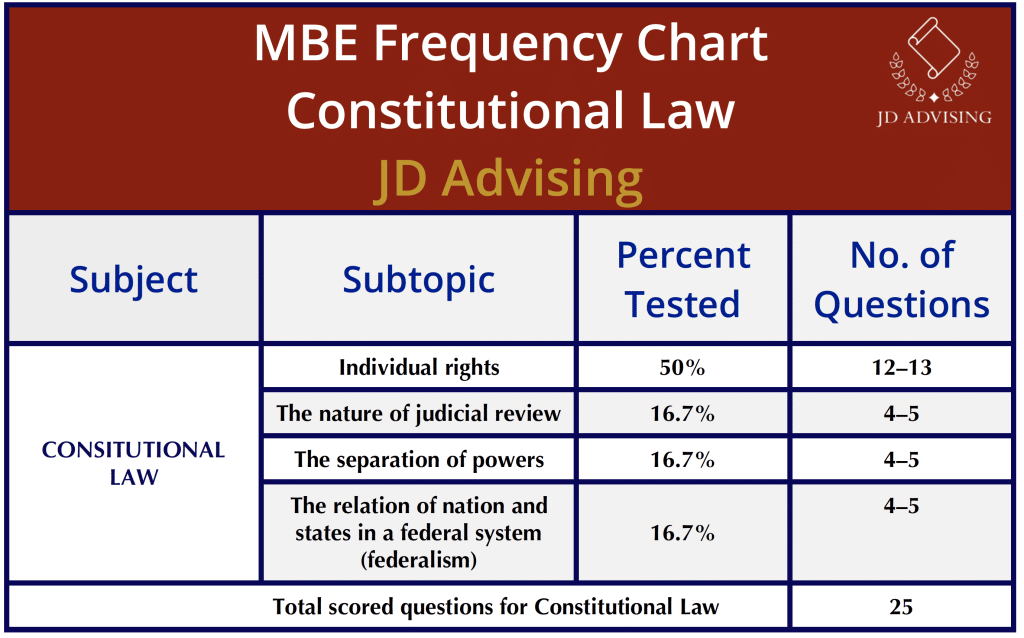
Constitutional law is a fundamental aspect of any legal system, as it defines the structure and powers of the government, as well as the rights and duties of individuals. As students of law, it is essential to have a comprehensive understanding of constitutional principles and their application. One effective way to test and enhance this understanding is through constitutional law essay questions and answers. These questions allow students to analyze and discuss various legal issues, and provide well-reasoned arguments supported by constitutional principles.
In this article, we will present a diverse range of constitutional law essay questions and answers. These questions cover a wide spectrum of constitutional topics, including separation of powers, judicial review, civil rights, and federalism. By exploring these questions, students can develop a deeper understanding of constitutional law and its practical implications.
It is important to note that answering constitutional law essay questions requires a comprehensive understanding of legal principles, as well as the ability to apply them to specific scenarios. Students should carefully analyze each question, identify the relevant constitutional issues, and provide well-supported arguments. This exercise will not only enhance critical thinking skills but also improve legal writing and analysis.
See these Constitutional Law Essay Questions and Answers
- 1. Discuss the concept of judicial review and its importance in constitutional law.
- 2. Analyze the doctrine of separation of powers and its relevance in modern governance.
- 3. Evaluate the constitutional protections afforded to freedom of speech, and the limits imposed on it.
- 4. Discuss the role of the Supreme Court in interpreting the Constitution and shaping constitutional law.
- 5. Explain the concept of federalism and its impact on the relationship between the federal and state governments.
- 6. Analyze the constitutional rights and limitations concerning searches and seizures.
- 7. Discuss the constitutional basis for the protection of individual privacy rights.
- 8. Evaluate the role of the President in the appointment of federal judges and its implications for judicial independence.
- 9. Analyze the constitutional rights and limitations concerning the freedom of religion.
- 10. Discuss the constitutional protections against cruel and unusual punishment.
- 11. Evaluate the constitutional basis for affirmative action policies.
- 12. Analyze the constitutional limitations on the power of Congress to regulate commerce.
- 13. Discuss the constitutional rights and limitations concerning the right to bear arms.
- 14. Evaluate the constitutional protections against unreasonable searches and seizures.
- 15. Analyze the constitutional rights and limitations concerning the right to a fair trial.
- 16. Discuss the constitutional basis for the protection of property rights.
- 17. Evaluate the constitutional limitations on the power of the President to issue executive orders.
- 18. Analyze the constitutional rights and limitations concerning the freedom of assembly and association.
- 19. Discuss the constitutional basis for the protection of voting rights.
- 20. Evaluate the constitutional limitations on the power of the states to regulate immigration.
- 21. Analyze the constitutional rights and limitations concerning the right to privacy in the context of reproductive rights.
- 22. Discuss the constitutional basis for the protection of equal protection under the law.
- 23. Evaluate the constitutional limitations on the power of the states to restrict access to abortion.
- 24. Analyze the constitutional rights and limitations concerning the freedom of the press.
- 25. Discuss the constitutional basis for the protection of due process rights.
- 26. Evaluate the constitutional limitations on the power of the federal government to regulate campaign finance.
- 27. Analyze the constitutional rights and limitations concerning the right to counsel.
- 28. Discuss the constitutional basis for the protection of LGBTQ+ rights.
- 29. Evaluate the constitutional limitations on the power of the states to restrict access to firearms.
- 30. Analyze the constitutional rights and limitations concerning the right to education.
- 31. Discuss the constitutional basis for the protection of freedom of the press.
- 32. Evaluate the constitutional limitations on the power of the federal government to regulate hate speech.
- 33. Analyze the constitutional rights and limitations concerning the right to privacy in the context of surveillance.
- 34. Discuss the constitutional basis for the protection of the rights of the accused.
- 35. Evaluate the constitutional limitations on the power of the states to impose the death penalty.
- 36. Analyze the constitutional rights and limitations concerning the right to healthcare.
- 37. Discuss the constitutional basis for the protection of the rights of immigrants.
- 38. Evaluate the constitutional limitations on the power of the federal government to regulate social media.
- 39. Analyze the constitutional rights and limitations concerning the right to a jury trial.
- 40. Discuss the constitutional basis for the protection of the rights of persons with disabilities.
These constitutional law essay questions and answers provide a valuable resource for students seeking to enhance their understanding of constitutional principles and their application. By engaging with these questions, students can develop critical thinking skills, improve legal analysis, and gain a deeper appreciation for the complexities of constitutional law.






