
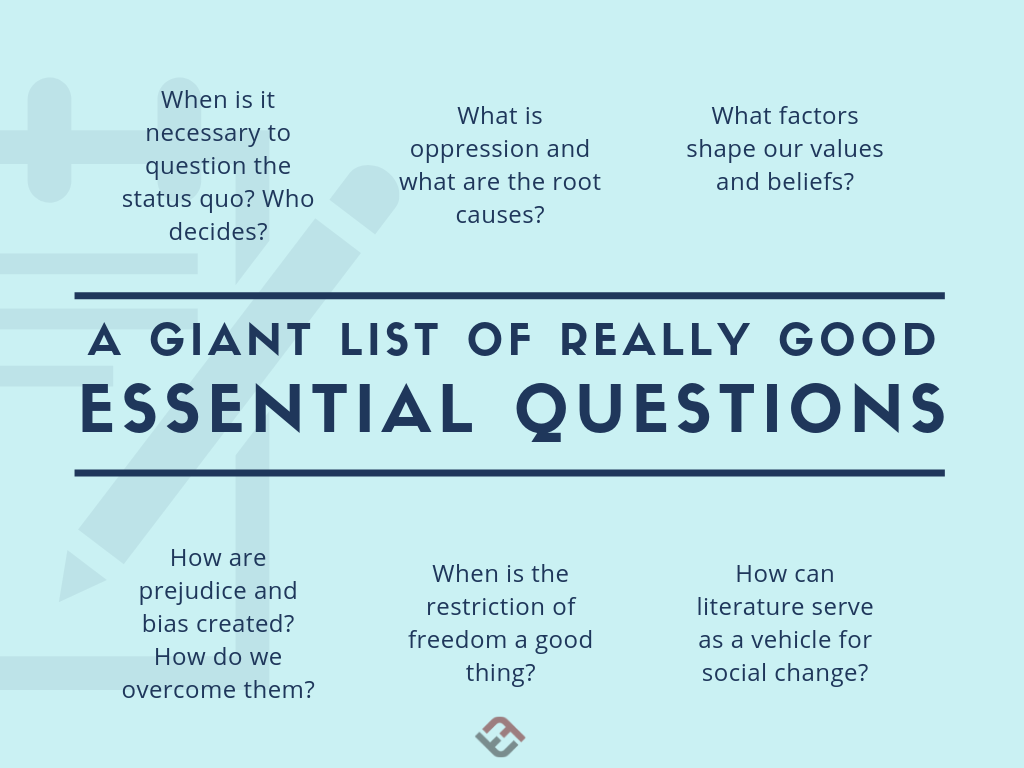
Constructive questions are a powerful tool for personal and professional growth. They help us gain a deeper understanding of ourselves and others, and can lead to meaningful insights and positive change. Unlike negative or judgmental questions, constructive questions are designed to promote self-reflection, empathy, and collaboration. In this article, we will explore the concept of constructive questions and provide a comprehensive list of examples to help you apply them in various areas of your life.
Constructive questions encourage open-mindedness and foster a growth mindset. They allow us to challenge our assumptions, reframe problems, and explore new perspectives. By asking these types of questions, we create a safe and non-judgmental space for exploration, learning, and innovation. Whether you are a leader, a coach, a friend, or simply someone who wants to improve their communication skills, mastering the art of constructive questioning can greatly enhance your relationships and personal development.
Using constructive questions can help us navigate difficult conversations, resolve conflicts, and find creative solutions. They promote active listening and empathy, as they require us to truly understand the other person’s point of view. By asking these questions, we demonstrate respect for others’ experiences and encourage them to share their thoughts and feelings openly. Additionally, constructive questions can also be used for self-reflection and introspection, enabling us to gain clarity about our own values, beliefs, and goals.
See these constructive questions
- What can we learn from this situation?
- How can we improve our communication?
- What are the possible solutions?
- What are the underlying causes of this problem?
- How can we work together more effectively?
- What resources do we need to achieve our goals?
- What are the potential risks and benefits?
- How can we support each other’s growth?
- What can we do differently next time?
- What are the main obstacles we need to overcome?
- How can we create a more inclusive environment?
- What steps can we take to achieve our vision?
- What are the long-term implications of our actions?
- How can we build trust and rapport?
- What strengths can we leverage?
- What are the potential consequences of this decision?
- How can we make this process more efficient?
- What support do you need from me?
- What are the different perspectives on this issue?
- How can we celebrate our achievements?
- What can we do to foster innovation?
- What are the lessons learned from past experiences?
- How can we manage our time more effectively?
- What are the core values guiding our actions?
- How can we promote diversity and inclusion?
- What feedback do you have for me?
- What are the potential roadblocks to success?
- How can we align our goals and objectives?
- What are the assumptions we are making?
- How can we overcome resistance to change?
- What are the key milestones and deadlines?
- How can we foster a culture of continuous learning?
- What are the trade-offs we need to consider?
- How can we prioritize our tasks and responsibilities?
- What is the bigger purpose behind our work?
- How can we improve our decision-making process?
- What are the potential unintended consequences?
- How can we encourage collaboration and teamwork?
- What are the core competencies we need to develop?
- How can we adapt to changing circumstances?
- What are the emotions underlying this situation?
- How can we build resilience and overcome setbacks?
- What are the different possible outcomes?
As you can see, constructive questions cover a wide range of topics and can be applied in various contexts. By incorporating them into your conversations and self-reflection practices, you can enhance your personal growth, improve your relationships, and foster a more positive and collaborative environment. Remember, the quality of our questions determines the quality of our lives, so let’s start asking more constructive questions today!






