
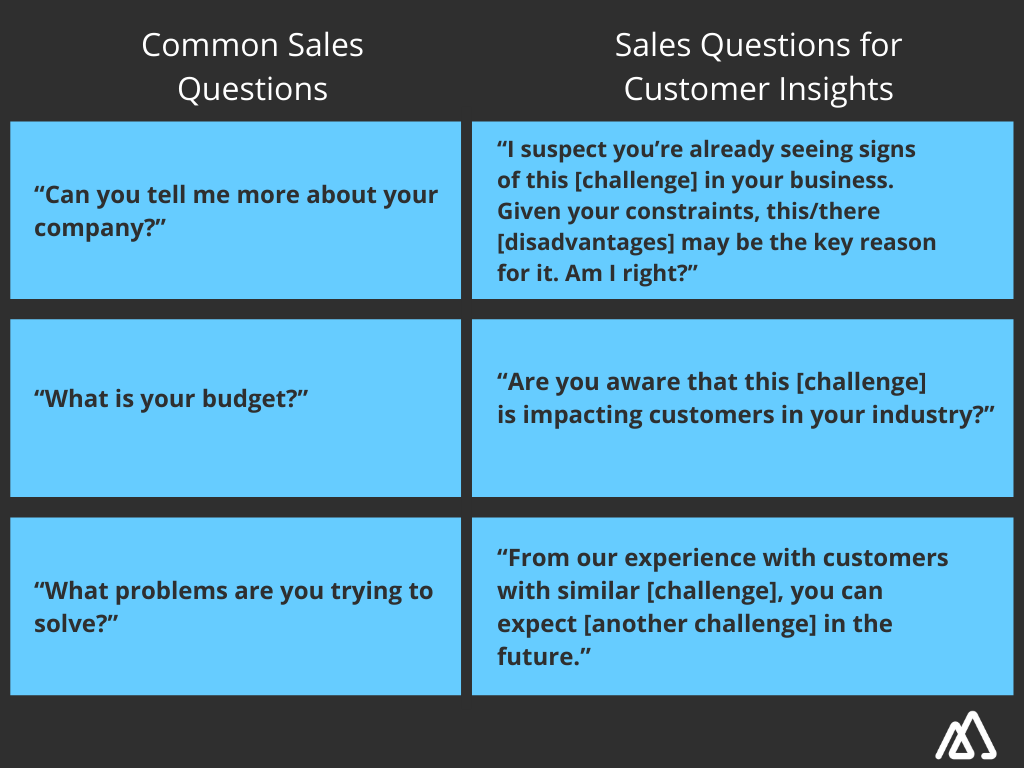
Consultative selling is an approach where sales professionals focus on building relationships and understanding the needs of their customers before offering solutions. By asking insightful questions, sales representatives can gather valuable information and tailor their offerings to meet the specific needs of each customer. In this article, we will explore the power of consultative sales questions and how they can drive success in the sales process.
When it comes to consultative selling, asking the right questions is crucial. By asking open-ended and thought-provoking questions, sales professionals can uncover the pain points, challenges, and goals of their customers. This not only helps in building trust and rapport but also allows sales representatives to position themselves as trusted advisors rather than just another salesperson.
By using consultative sales questions, sales professionals can gain a deeper understanding of their customers’ needs and preferences. This knowledge enables them to provide personalized and tailored solutions that resonate with the customers on a deeper level. Ultimately, consultative selling allows sales representatives to become problem solvers rather than just product pushers.
See these consultative sales questions
- What challenges are you currently facing in your industry?
- How does your current process impact your productivity?
- What are your top priorities for the upcoming quarter?
- What outcomes are you looking to achieve with our product/service?
- How will our solution integrate with your existing systems?
- What are the key factors you consider when making purchasing decisions?
- What are your expectations regarding customer support and service?
- How do you measure success in your organization?
- What are the biggest obstacles preventing you from reaching your goals?
- Can you provide more details about your budget allocation for this project?
- What is the timeline for implementing a new solution?
- How do you currently handle similar challenges?
- What are your competitors doing differently?
- How would you define success in implementing a new solution?
- What are the potential risks associated with this project?
- What are the desired outcomes for your team?
- How do you involve key stakeholders in the decision-making process?
- What metrics do you use to evaluate the success of your current processes?
- What are your long-term goals for your organization?
- How do you see our product/service aligning with your business objectives?
- What are the pain points your team experiences on a daily basis?
- What are the key factors that influence your team’s decision-making process?
- How would you measure the ROI of our solution?
- What are the potential roadblocks we might encounter during the implementation?
- How do you currently handle customer feedback and complaints?
- What are your team’s biggest strengths and weaknesses?
- How do you prefer to communicate with your vendors/suppliers?
- What are the top three priorities for your organization in the next year?
- What are the main challenges you face when it comes to budgeting?
- How do you ensure effective collaboration among different departments?
- What are your expectations regarding training and onboarding for your team?
- What are your customers’ main pain points and how do you address them?
- How do you measure the success of your marketing campaigns?
- What are your team’s biggest time-consuming tasks?
- How do you currently evaluate the performance of your team members?
- What are the key decision-making criteria for your team?
- How do you handle objections from your team members?
- What are the main factors that influence your team’s buying decisions?
- How do you ensure customer satisfaction and loyalty?
- What are your team’s main goals for the next quarter?
- How do you ensure effective communication within your team?
- What are the main challenges your team faces when it comes to time management?
- How do you currently manage and track your team’s performance?
- What are your expectations regarding the implementation timeline?
These are just a few examples of consultative sales questions that can help sales professionals gain valuable insights into their customers’ needs and preferences. By asking these questions and actively listening to the responses, sales representatives can build trust, establish credibility, and ultimately close more deals.
In conclusion, consultative sales questions play a vital role in the sales process. By asking the right questions, sales professionals can uncover their customers’ pain points, understand their goals, and provide tailored solutions that address their specific needs. This consultative approach not only builds trust but also positions sales representatives as trusted advisors. So, next time you’re engaging with a customer, remember the power of consultative sales questions and watch your sales soar!






