
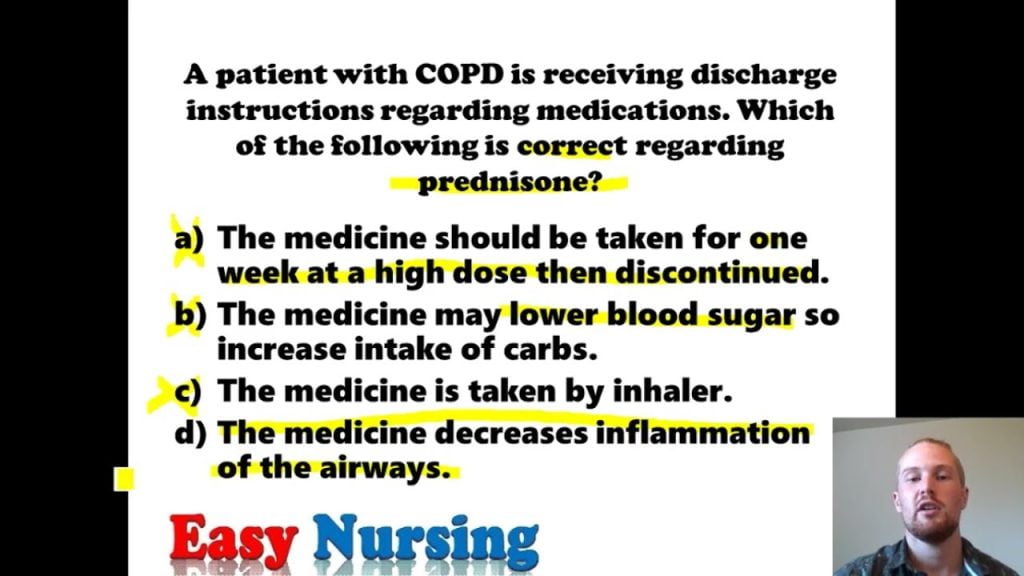
Chronic Obstructive Pulmonary Disease (COPD) is a progressive lung disease that affects millions of individuals worldwide. As a nurse, it is crucial to have a comprehensive understanding of COPD and be prepared to address the various challenges that come with caring for patients with this condition. To help you enhance your knowledge and skills in COPD nursing, we have compiled a list of frequently asked questions that can serve as a valuable resource for both new and experienced nurses.
See these COPD nursing questions
- What are the common risk factors for developing COPD?
- What are the key signs and symptoms of COPD?
- How is COPD diagnosed?
- What are the different stages of COPD?
- What are the treatment options available for COPD patients?
- What are the potential complications of COPD?
- How can nurses assist patients in managing their COPD symptoms?
- What lifestyle modifications are recommended for COPD patients?
- What is the role of smoking cessation in COPD management?
- How can nurses educate patients about the proper use of inhalers and other respiratory medications?
- What are the benefits of pulmonary rehabilitation programs for COPD patients?
- What are the different types of inhalers used in COPD treatment?
- What are the potential side effects of long-term use of oral corticosteroids in COPD patients?
- How can nurses help patients develop an effective self-management plan for COPD?
- What are the warning signs of an impending COPD exacerbation?
- What are the emergency management strategies for COPD exacerbations?
- How can nurses assess a patient’s oxygenation status?
- What are the indications for oxygen therapy in COPD patients?
- What are the different oxygen delivery systems available for COPD patients?
- How can nurses promote adherence to oxygen therapy in COPD patients?
- What are the dietary recommendations for COPD patients?
- What are the potential drug interactions with COPD medications?
- How can nurses assist patients in managing their anxiety and depression related to COPD?
- What are the long-term prognosis and life expectancy of COPD patients?
- How can nurses support family members and caregivers of COPD patients?
- What are the key components of a COPD action plan?
- What are the important considerations when caring for COPD patients during hospitalization?
- What are the potential complications of long-term oxygen therapy in COPD patients?
- How can nurses assess and manage dyspnea in COPD patients?
- What are the benefits of exercise for COPD patients?
- What are the appropriate exercise recommendations for COPD patients?
- How can nurses assess and manage cough in COPD patients?
- What are the strategies to prevent COPD exacerbations?
- What are the different types of respiratory support devices used in COPD patients?
- What are the potential respiratory complications during COPD exacerbations?
- How can nurses assist patients in managing their COPD symptoms during air travel?
- What are the appropriate vaccination recommendations for COPD patients?
- How can nurses educate patients about the importance of regular follow-up appointments?
- What are the potential environmental triggers that can worsen COPD symptoms?
- How can nurses assess and manage fatigue in COPD patients?
- What are the potential benefits of using non-invasive ventilation in COPD patients?
- How can nurses assist patients in developing effective coughing and breathing techniques?
- What are the strategies to prevent COPD exacerbations in the winter season?
- What are the key components of an effective COPD education program for patients and their families?
By familiarizing yourself with these COPD nursing questions and their respective answers, you can enhance your ability to provide optimal care for patients with COPD. Remember that continuous learning and staying updated with the latest evidence-based practices are essential for improving patient outcomes and delivering high-quality nursing care in the field of COPD management.






