
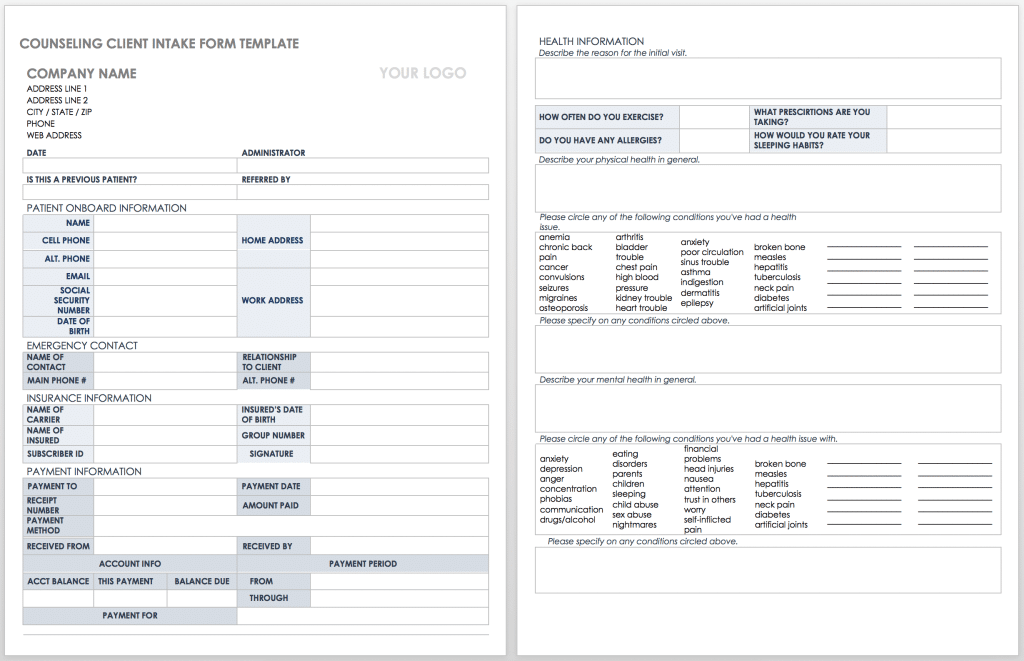
Counseling is an essential part of mental health treatment, providing individuals with the necessary support to navigate through challenging times. Whether you are seeking therapy for the first time or switching therapists, the intake process is crucial in establishing a strong foundation for a successful therapeutic relationship. During the counseling intake, therapists typically ask a series of questions to gather relevant information about the client’s background, current concerns, and goals. These questions help therapists gain a comprehensive understanding of their clients and formulate an effective treatment plan.
In this article, we will explore the importance of counseling intake questions and provide you with a comprehensive list of questions that therapists often ask during the intake process. Remember, these questions may vary depending on the therapist’s theoretical orientation and the client’s specific needs.
By asking these questions, therapists can gather important information that will help guide the therapeutic process. It is crucial to answer these questions honestly and openly to ensure that the therapist can provide the most effective treatment for your unique situation.
See these counseling intake questions
- What brings you to therapy?
- Have you been in therapy before? If yes, what was your experience like?
- What are your current symptoms or concerns?
- When did you first notice these symptoms?
- Have you ever been diagnosed with a mental health disorder?
- Are you currently taking any medications?
- Do you have a history of substance abuse?
- What is your family’s mental health history?
- Have you experienced any significant life changes recently?
- What are your goals for therapy?
- What coping strategies do you currently use?
- How do you typically handle stress?
- Do you have a support system in place?
- What is your current living situation?
- Do you have any past traumas or abuse history?
- Are you currently employed? If yes, what is your occupation?
- Do you have any physical health concerns?
- Are you involved in any legal issues?
- What are your hobbies or interests?
- Do you have any religious or spiritual beliefs?
- How would you describe your childhood?
- Have you ever had thoughts of self-harm or suicide?
- Do you have any goals for therapy?
- What is your preferred method of communication?
- Do you have any preferences regarding therapeutic techniques?
- What are your expectations for therapy?
- How do you feel about taking medication, if recommended?
- What is your preferred gender for a therapist?
- Have you ever been hospitalized for mental health reasons?
- Do you have any financial limitations for therapy?
- Do you have any cultural or ethnic considerations that may impact therapy?
- How do you feel about involving family members in therapy?
- What are your strengths and weaknesses?
- How do you define success in therapy?
- What do you expect from your therapist?
- How would you like to be involved in the treatment planning process?
- What is your preferred frequency of therapy sessions?
- How do you handle conflict or disagreements?
- Are you currently in a romantic relationship?
- Do you have any children or dependents?
- Have you ever had any experiences with alternative therapies?
- How do you feel about group therapy?
- What are your thoughts on homework assignments or self-reflection exercises?
These counseling intake questions provide therapists with valuable insights into a client’s life, allowing them to tailor their approach to meet their specific needs. Remember that therapy is a collaborative process, and open communication is key to achieving positive outcomes. By answering these questions honestly and openly, you can work together with your therapist to make progress towards your goals and improve your overall well-being.






