
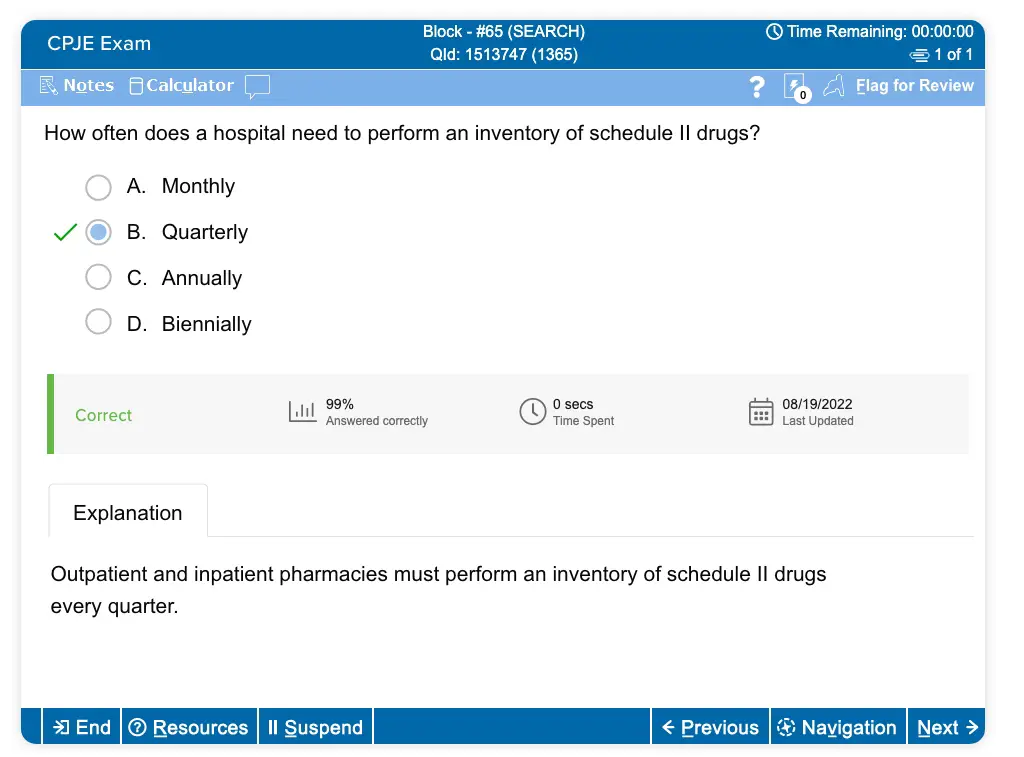
Aspiring pharmacists in California are required to pass the California Practice Standards and Jurisprudence Examination for Pharmacists (CPJE) in order to obtain their license. This exam assesses their knowledge of pharmacy laws and regulations specific to California. To help you prepare for this important exam, we have compiled a list of CPJE sample questions below.
Studying sample questions is an effective way to familiarize yourself with the format and types of questions that may be asked on the CPJE. By practicing with these questions, you can gain confidence and improve your chances of success on the exam.
Remember that while these sample questions provide valuable practice, they may not cover all the topics that will be tested on the CPJE. It is important to thoroughly study the relevant laws, regulations, and guidelines to ensure a comprehensive understanding of the subject matter.
See these CPJE Sample Questions
- What is the maximum number of refills allowed for a Schedule III controlled substance in California?
- Under California law, what is the maximum quantity of pseudoephedrine that can be sold to an individual in a single transaction?
- Which of the following is NOT required to be included in a prescription label in California?
- What is the minimum age requirement to become a pharmacist in California?
- Who has the authority to approve and issue a pharmacy permit in California?
- Which of the following is an example of a non-sterile compounding activity?
- What is the maximum allowable concentration of alcohol in a compounded oral liquid medication for pediatric patients?
- Under California law, which of the following medications can be sold without a prescription?
- What is the maximum time limit for the transfer of a controlled substance prescription in California?
- In California, which entity is responsible for investigating complaints against pharmacists?
- What is the purpose of the California State Board of Pharmacy?
- Which of the following is a requirement for a pharmacy to be considered a closed-door pharmacy in California?
- What is the maximum fine for a pharmacy that violates the California Pharmacy Law?
- Under California law, how often should a pharmacy self-assessment be conducted?
- Which of the following is an example of a pharmacy technician’s scope of practice in California?
- What is the maximum allowable quantity of a controlled substance that can be dispensed in a single prescription in California?
- Under California law, how often should a pharmacy’s drug stock be physically inventoried?
- Which of the following is a requirement for a pharmacist to be eligible for licensure in California?
- What is the maximum number of hours a pharmacist can work consecutively without a break in California?
- Under California law, which of the following is considered unprofessional conduct for a pharmacist?
- What is the maximum number of days a prescription for a Schedule II controlled substance is valid in California?
- Which of the following is required to be displayed in a pharmacy’s public area in California?
- What is the maximum allowable quantity of a Schedule II controlled substance that can be dispensed in a single prescription in California?
- Under California law, who is responsible for reporting medication errors?
- Which of the following is a requirement for a pharmacy to be considered a compounding pharmacy in California?
- What is the maximum time limit for the transfer of a non-controlled substance prescription in California?
- In California, which entity is responsible for regulating pharmacy technicians?
- What is the maximum number of days a prescription for a Schedule III, IV, or V controlled substance is valid in California?
- Under California law, what is the minimum number of hours of continuing education required for pharmacist license renewal?
- Which of the following is NOT a requirement for a pharmacist to be eligible for licensure in California?
- What is the maximum allowable quantity of a Schedule III controlled substance that can be dispensed in a single prescription in California?
- Under California law, how often should a pharmacy’s policies and procedures be reviewed?
- Which of the following is a requirement for a pharmacy to be considered an internet pharmacy in California?
- What is the maximum number of days a prescription for a non-controlled substance is valid in California?
- Under California law, which of the following is considered unprofessional conduct for a pharmacy technician?
- What is the maximum number of refills allowed for a Schedule II controlled substance in California?
- Which of the following is required to be included in a prescription record in California?
- What is the minimum age requirement to become a pharmacy technician in California?
- Who has the authority to discipline a pharmacist’s license in California?
- Which of the following is an example of a sterile compounding activity?
- What is the maximum allowable concentration of a hazardous drug in a compounded preparation in California?
- Under California law, which of the following is considered unprofessional conduct for a pharmacy intern?
- What is the maximum time limit for the transfer of a prescription between pharmacies in California?
- In California, which entity is responsible for approving pharmacy technician training programs?
- What is the maximum number of days a prescription for a Schedule IV or V controlled substance is valid in California?
- Under California law, what is the minimum number of hours of continuing education required for pharmacy technician license renewal?
- Which of the following is NOT a requirement for a pharmacy to be considered a nuclear pharmacy in California?
These CPJE sample questions are just a starting point for your study preparation. Make sure to thoroughly review the laws, regulations, and guidelines specific to California pharmacy practice to ensure your success on the exam. Good luck!






