
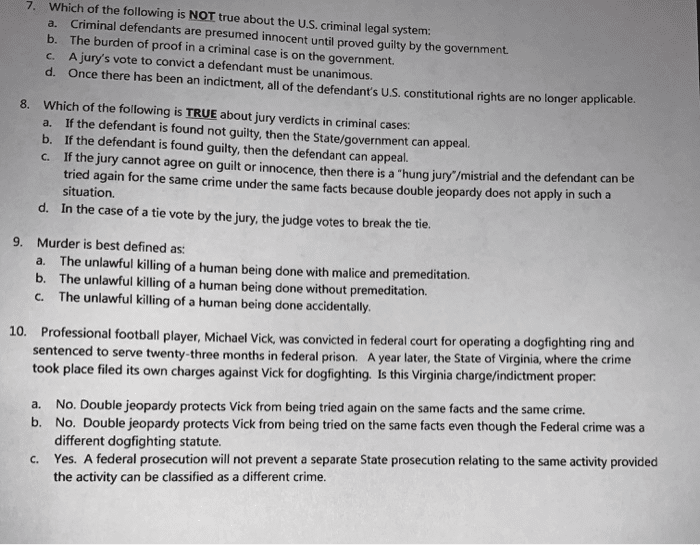
When it comes to criminal cases, there are often many questions that arise. Whether you are a lawyer, a defendant, or a concerned citizen, understanding the intricacies of a criminal case can be crucial for achieving justice. From the initial investigation to the court proceedings, each step of the process presents its own set of questions. In this article, we will explore some of the most common criminal case questions and provide insights into the answers.
One of the first questions that may arise in a criminal case is, “What constitutes a criminal offense?” Understanding the elements of a crime is essential for both the prosecution and the defense. Different crimes have different elements that need to be proven beyond a reasonable doubt. These elements can include specific actions, intent, and the harm caused. By understanding the elements of a criminal offense, both parties can build their case effectively.
Another common question is, “What is the difference between a felony and a misdemeanor?” Felonies and misdemeanors are two categories of crimes with different levels of severity. Felonies are typically more serious offenses that carry harsher penalties, such as imprisonment for more than one year. Misdemeanors, on the other hand, are less serious offenses that are usually punishable by fines, probation, or short-term imprisonment. Understanding the distinction between these two categories is important for determining the potential consequences of a criminal case.
See these criminal case questions
- What is the burden of proof in a criminal case?
- What is the role of the prosecutor in a criminal case?
- What are the different types of defenses in a criminal case?
- What is the role of a defense attorney?
- What is the purpose of a grand jury?
- What happens during a bail hearing?
- What is the difference between a bench trial and a jury trial?
- What is the process of jury selection?
- How are witnesses prepared for trial?
- What is the significance of Miranda rights in a criminal case?
- What are the steps of a criminal trial?
- What happens during the opening statements?
- What is direct examination?
- What is cross-examination?
- What is the role of expert witnesses in a criminal case?
- What is the role of the judge in a criminal case?
- What is the purpose of closing arguments?
- What is the difference between a guilty verdict and a not guilty verdict?
- What is the process of sentencing?
- What are the potential penalties for different crimes?
- What is the role of the probation officer?
- What happens during the appeal process?
- What is the difference between parole and probation?
- What is the concept of double jeopardy?
- What are the rights of the defendant during a criminal case?
- What is the impact of prior convictions on a criminal case?
- What is the role of forensic evidence in a criminal case?
- What is the statute of limitations for different crimes?
- What is the process of plea bargaining?
- What is the difference between a witness and a suspect?
- What happens if a witness refuses to testify?
- What is the process of obtaining search warrants?
- What is the role of the jury in a criminal case?
- What is the concept of reasonable doubt?
- What is the role of the court reporter during a trial?
- What is the process of presenting evidence?
- What happens during a mistrial?
- What is the role of the probation officer?
- What is the difference between direct evidence and circumstantial evidence?
- What are the potential defenses for self-defense?
- What is the impact of mental illness on a criminal case?
- What is the process of expunging a criminal record?
- What is the impact of witness credibility on a criminal case?
These are just a few of the many questions that can arise in a criminal case. Each case is unique, and understanding the answers to these questions can provide valuable insights into the legal process. If you find yourself involved in a criminal case, it is essential to consult with a knowledgeable attorney who can guide you through the complexities of the legal system.






