
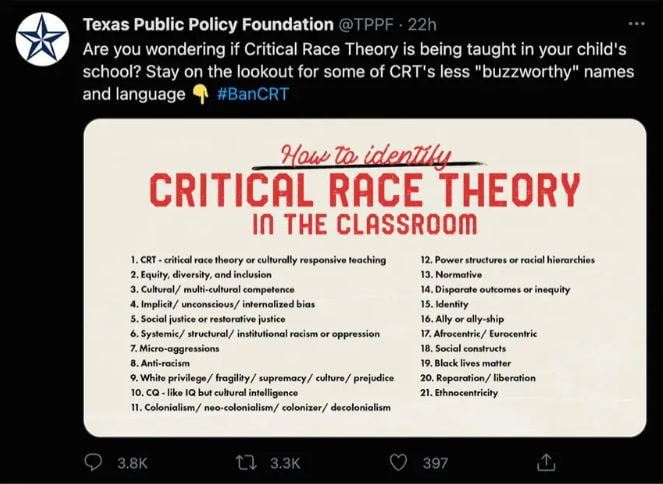
Critical Race Theory (CRT) is a framework that examines the intersectionality of race, power, and inequality in society. It challenges the traditional understanding of race and highlights how it is embedded in the legal system, institutions, and societal structures. As the subject gains more attention and sparks debates, it is important to explore critical race theory questions to deepen our understanding and promote meaningful discussions.
In this article, we will delve into some of the most significant critical race theory questions that have emerged in recent years. These questions aim to provoke thought, encourage dialogue, and critically analyze the impact of race in various aspects of our lives.
Whether you are a student studying social sciences or an individual interested in understanding the complexities of race and power dynamics, exploring these critical race theory questions will provide a valuable starting point for your journey.
See these Critical Race Theory Questions
- How does CRT challenge the notion of colorblindness?
- What are the key principles and concepts of CRT?
- How does CRT view racism as systemic rather than individual acts?
- What role does intersectionality play in CRT?
- How does CRT analyze the relationship between race and power?
- What are the critiques of CRT?
- What is the significance of storytelling in CRT?
- How does CRT examine racial disparities in education?
- What is the role of the legal system in perpetuating racial inequality?
- How does CRT analyze the portrayal of race in media and popular culture?
- What is the impact of racial profiling on marginalized communities?
- How does CRT challenge the concept of meritocracy?
- What is the relationship between race and access to healthcare?
- How does CRT analyze the criminal justice system and mass incarceration?
- What are the implications of CRT in addressing environmental racism?
- How does CRT examine the role of race in housing discrimination?
- What is the role of allyship in dismantling systemic racism?
- How does CRT analyze the portrayal of race in literature and art?
- What is the connection between race and wealth inequality?
- How does CRT view affirmative action and diversity initiatives?
- What is the importance of cultural competency in addressing racial disparities?
- How does CRT analyze the impact of racial stereotypes and microaggressions?
- What is the role of education in promoting racial equity?
- How does CRT view the concept of white privilege?
- What is the significance of restorative justice in addressing racial harm?
- How does CRT analyze the representation of race in politics and leadership?
- What are the implications of CRT in employment and workplace environments?
- What is the role of critical race theory in social activism?
- How does CRT view the role of historical events in shaping racial dynamics?
- What is the connection between race and voting rights?
- How does CRT analyze the impact of racial profiling in law enforcement?
- What is the role of white fragility in perpetuating racial inequality?
- How does CRT view the representation of race in the criminal justice system?
- What is the impact of racial bias in healthcare outcomes?
- How does CRT analyze the concept of racial identity and self-perception?
- What is the significance of racial disparities in access to quality education?
- How does CRT view the impact of racial segregation in neighborhoods?
- What is the connection between race and mental health disparities?
- How does CRT analyze the portrayal of race in advertising and marketing?
- What is the role of allyship in challenging systemic racism?
- How does CRT view the representation of race in the criminal justice system?
- What is the impact of racial bias in healthcare outcomes?
These critical race theory questions are just the tip of the iceberg. Exploring these questions and engaging in ongoing discussions will contribute to a more inclusive and equitable society, as we collectively work towards dismantling systemic racism and achieving racial justice.






