
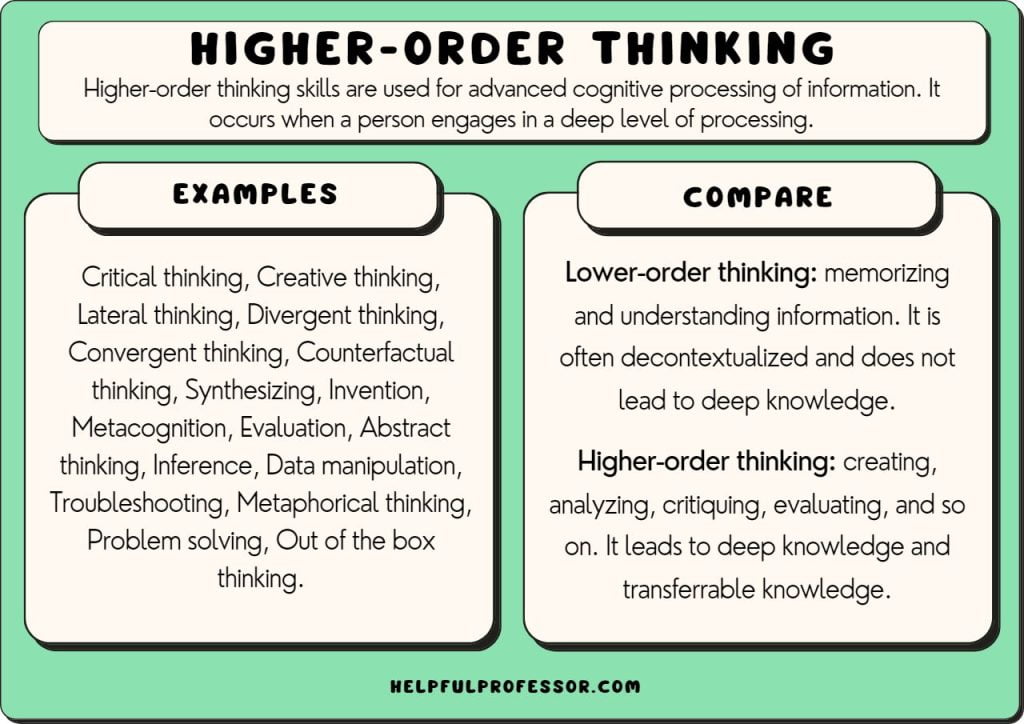
Critical thinking is a valuable skill that allows individuals to analyze and evaluate information objectively, leading to better decision-making and problem-solving. By asking critical thinking questions, we can challenge assumptions, explore different perspectives, and gain a deeper understanding of complex issues.
In this article, we will provide a comprehensive list of critical thinking questions and their corresponding answers. These questions cover a wide range of topics and can be used in various contexts, such as job interviews, classroom discussions, or personal reflection.
Developing critical thinking skills is essential in today’s rapidly changing world, where information overload and fake news abound. By practicing these questions and seeking thoughtful answers, you can enhance your ability to think critically and make sound judgments.
See these critical thinking questions answers
- What are the potential consequences of this decision?
- How can we approach this problem from a different perspective?
- What evidence supports this claim?
- What are the underlying assumptions in this argument?
- What are the strengths and weaknesses of this solution?
- What are the ethical implications of this course of action?
- What are the long-term implications of this decision?
- What are the possible alternatives to this approach?
- What are the potential biases in this research?
- What are the key factors influencing this situation?
- What are the potential risks and rewards?
- What are the logical flaws in this argument?
- What are the cultural implications of this belief?
- What assumptions need to be challenged in this scenario?
- What are the potential unintended consequences?
- What evidence contradicts this hypothesis?
- What are the political implications of this decision?
- What are the economic factors influencing this issue?
- What are the key stakeholders in this situation?
- What are the limitations of this study?
- What are the potential fallacies in this reasoning?
- What are the social implications of this action?
- What are the cultural biases in this interpretation?
- What are the potential consequences of ignoring this problem?
- What are the counterarguments to this position?
- What are the psychological factors influencing this decision?
- What are the potential conflicts of interest?
- What are the key assumptions in this model?
- What are the potential trade-offs?
- What are the environmental implications of this choice?
- What are the potential unintended benefits?
- What evidence supports an alternative explanation?
- What are the personal biases in this interpretation?
- What are the potential consequences for different stakeholders?
- What are the counterexamples to this theory?
- What are the cultural factors influencing this situation?
- What are the potential costs and benefits?
- What assumptions can be justified in this case?
- What are the potential environmental risks?
- What evidence challenges the prevailing narrative?
- What are the personal beliefs shaping this opinion?
- What are the potential impacts on marginalized communities?
- What are the exceptions to this generalization?
- What are the historical factors influencing this issue?
These critical thinking questions answers are designed to stimulate your analytical thinking and encourage a deeper understanding of complex issues. By regularly practicing critical thinking, you can improve your problem-solving skills and become a more informed and discerning individual.






