
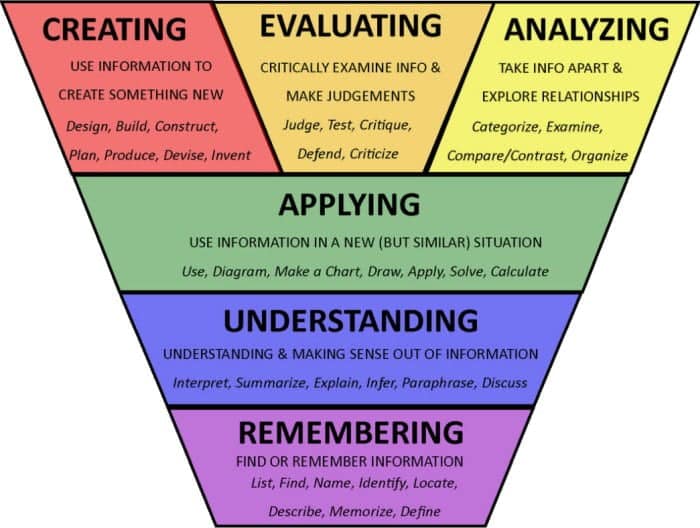
Developing critical thinking skills is essential for high school students as it equips them with the ability to analyze and evaluate information, solve problems, and make informed decisions. Critical thinking questions encourage students to think deeply, explore different perspectives, and challenge their own assumptions. These types of questions promote intellectual curiosity and foster a growth mindset. In this article, we have compiled a list of critical thinking questions specifically designed for high school students to encourage their analytical thinking abilities.
By asking critical thinking questions, high school students are encouraged to think beyond the surface level and delve into the underlying complexities of various subjects. These questions push students to evaluate evidence, consider different viewpoints, and develop their own informed opinions. Critical thinking questions also help students develop effective communication skills, as they learn to articulate their thoughts and reasoning clearly.
Engaging high school students in critical thinking activities not only enhances their academic performance but also equips them with essential life skills. These skills are valuable in various aspects of life, including problem-solving, decision-making, and effective communication. Now, let’s explore a variety of critical thinking questions that will challenge high school students to think critically and expand their intellectual horizons.
See these critical thinking questions for high school students
- What are the advantages and disadvantages of social media?
- How does the media influence public opinion?
- What are the ethical implications of genetic engineering?
- Should school uniforms be mandatory? Why or why not?
- What are the consequences of climate change?
- How does technology impact our daily lives?
- Is censorship ever justified?
- What are the potential benefits and risks of artificial intelligence?
- Should the voting age be lowered or raised?
- What are the effects of globalization on local cultures?
- Should the death penalty be abolished?
- How does socioeconomic status affect educational opportunities?
- What are the causes and consequences of income inequality?
- Should animal testing be banned?
- What are the implications of privacy in the digital age?
- How does media portrayals affect body image?
- What are the pros and cons of renewable energy sources?
- What role does art play in society?
- Should college education be free?
- What are the impacts of social media on mental health?
- How does culture influence our perception of beauty?
- What are the consequences of income inequality?
- Should standardized tests be the primary measure of student achievement?
- What are the implications of climate change on wildlife?
- How does the media influence body image?
- Should the government regulate the internet?
- What are the benefits and risks of nuclear power?
- Should genetically modified organisms (GMOs) be labeled?
- How does social media impact interpersonal relationships?
- What are the consequences of cyberbullying?
- Should the use of plastic bags be banned?
- What are the effects of fast-food consumption on health?
- How does advertising influence consumer behavior?
- Should the use of cell phones be allowed in schools?
- What are the implications of artificial intelligence in the job market?
- How does music influence our emotions?
- Should the government provide universal healthcare?
- What are the impacts of deforestation on the environment?
- How does social media affect political activism?
- Should the legal drinking age be lowered or raised?
- What are the consequences of bullying?
- How does cultural diversity contribute to society?
- Should athletes be allowed to use performance-enhancing drugs?
- What are the effects of income inequality on society?
Engaging high school students in critical thinking questions not only enhances their cognitive abilities but also helps them become well-rounded individuals capable of navigating complex issues. Encourage students to explore these questions, challenge their assumptions, and develop their own perspectives. By fostering critical thinking skills, we empower the future generation to become effective problem solvers and informed decision-makers.






