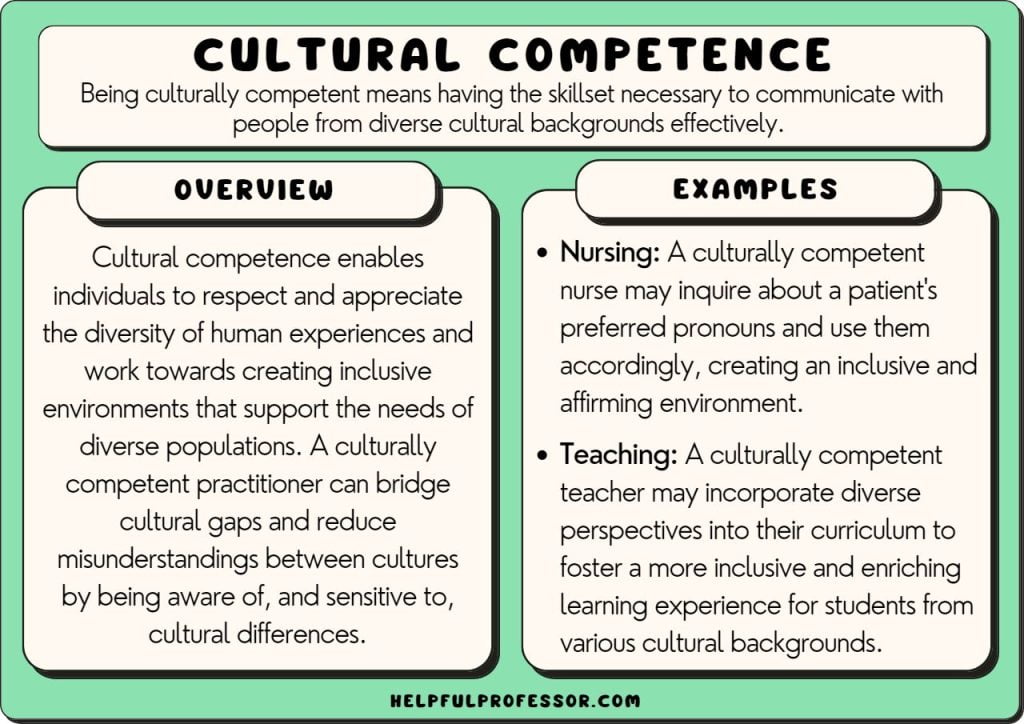
In today’s globalized world, cultural competence has become increasingly important. Cultural competence refers to the ability to understand, appreciate, and interact effectively with people from different cultures. It involves being aware of our own cultural biases and understanding how they may impact our interactions with others. Developing cultural competence is essential for building strong relationships, fostering inclusivity, and promoting diversity in all aspects of life.
To enhance cultural competence, it is crucial to ask thoughtful and respectful questions that encourage dialogue and understanding. These questions can help us gain insights into different cultural perspectives, beliefs, and practices. By actively seeking knowledge and understanding, we can break down barriers and bridge the gap between cultures. Below, you will find a list of cultural competence questions that can be used as a starting point for enhancing your own cultural competence.
See these cultural competence questions
- What cultural values are important in your community?
- How do you define success in your culture?
- What are some traditional customs or rituals in your culture?
- How does your culture view time and punctuality?
- What are some common greetings or gestures in your culture?
- What role does religion play in your culture?
- How does your culture view gender roles?
- What are some traditional foods or dishes in your culture?
- What are some taboos or sensitive topics in your culture?
- How do you typically address someone older or in a position of authority in your culture?
- What are some traditional holidays or celebrations in your culture?
- How does your culture view personal space?
- What are some common forms of communication in your culture?
- How does your culture view family structure and dynamics?
- What are some traditional clothing or attire in your culture?
- How does your culture view education and learning?
- What are some traditional art forms or expressions in your culture?
- How does your culture view mental health and well-being?
- What role does storytelling play in your culture?
- What are some traditional games or sports in your culture?
- How does your culture view authority and hierarchy?
- What are some traditional music or dance forms in your culture?
- How does your culture view personal hygiene?
- What are some traditional healing practices or remedies in your culture?
- How does your culture view disabilities or differences?
- What are some traditional roles or responsibilities in your culture?
- How does your culture view the environment and sustainability?
- What are some traditional forms of governance or decision-making in your culture?
- How does your culture view aging and the elderly?
- What are some traditional proverbs or sayings in your culture?
- How does your culture view the concept of beauty?
- What are some traditional wedding or marriage customs in your culture?
- How does your culture view risk-taking and innovation?
- What are some traditional storytelling or narrative traditions in your culture?
- How does your culture view social hierarchies and class systems?
- What are some traditional childcare practices in your culture?
- How does your culture view conflict resolution and negotiation?
- What are some traditional beliefs or superstitions in your culture?
- How does your culture view entrepreneurship and business?
- What are some traditional modes of transportation in your culture?
- How does your culture view the concept of time?
- What are some traditional forms of entertainment or leisure activities in your culture?
- How does your culture view the concept of privacy?
By asking these cultural competence questions and actively listening to the responses, we can broaden our understanding of different cultures and foster a more inclusive and respectful society. Remember, cultural competence is an ongoing process, and it requires continuous learning and self-reflection. Let’s embrace diversity and strive to become culturally competent individuals who celebrate and value all cultures.