
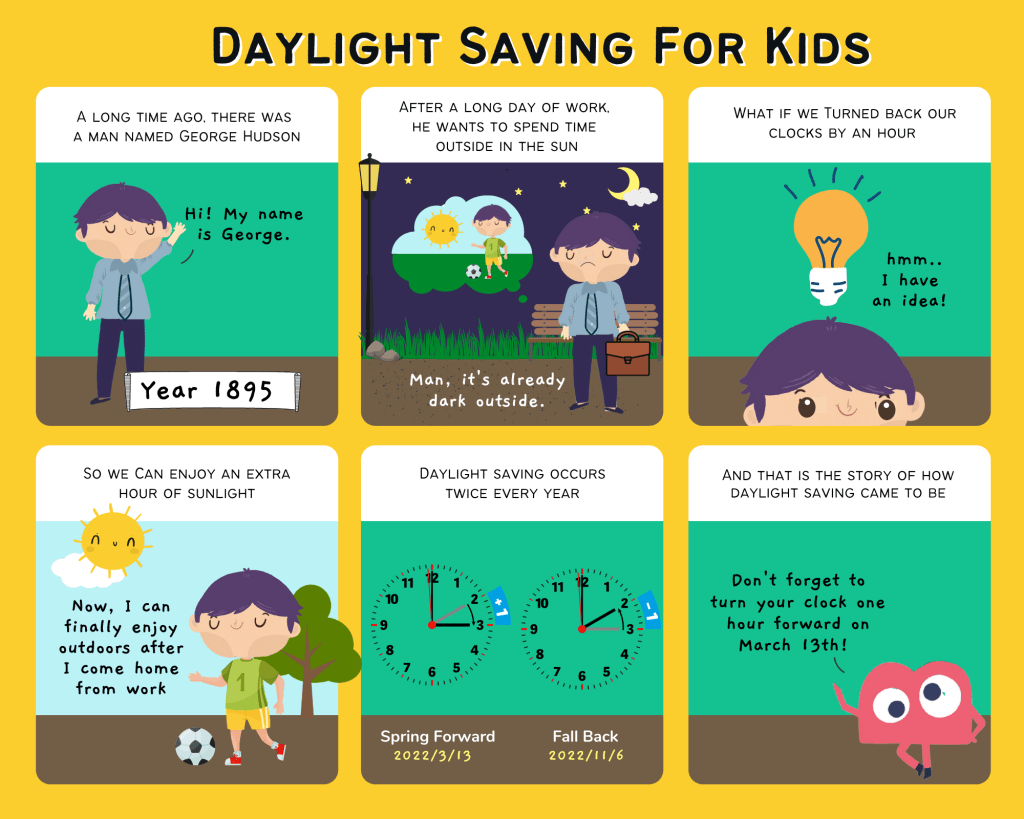
Daylight Savings Time is a practice where the clock is adjusted forward by one hour during the summer months to extend evening daylight. It is implemented in many regions around the world, and it has been a topic of curiosity and discussion for many years. If you are interested in learning more about Daylight Savings Time and testing your knowledge, we have compiled a list of trivia questions and answers for you to enjoy!
See these Daylight Savings Time Trivia Questions and Answers
- What year was Daylight Savings Time first implemented in the United States? – 1918
- Which countries do not observe Daylight Savings Time? – Japan, China, and India
- When does Daylight Savings Time typically start in the United States? – The second Sunday in March
- When does Daylight Savings Time typically end in the United States? – The first Sunday in November
- Which U.S. state does not observe Daylight Savings Time? – Arizona
- What is the purpose of Daylight Savings Time? – To make better use of daylight during the longer days of summer
- Which European country was the first to introduce Daylight Savings Time? – Germany
- What is the term used to describe the period of extended daylight in the evening? – Daylight Saving Time
- Which president signed the law establishing Daylight Savings Time in the United States? – Lyndon B. Johnson
- Why was Daylight Savings Time temporarily extended in the United States in 1974? – To save energy during the energy crisis
- Which Canadian province does not observe Daylight Savings Time? – Saskatchewan
- What is the purpose of setting the clocks forward in the spring? – To make better use of daylight in the evening
- What is the purpose of setting the clocks back in the fall? – To make better use of daylight in the morning
- What is the mnemonic most commonly used to remember which way to adjust the clocks? – “Spring forward, fall back”
- What is the term used for the extra hour of sleep gained when the clocks are set back in the fall? – The “fall back” hour
- Which U.S. state observes Daylight Savings Time but does not change the clocks? – Hawaii
- What is the difference between Daylight Savings Time and Standard Time? – Daylight Savings Time is when the clocks are set forward, and Standard Time is when the clocks are set back
- What is the impact of Daylight Savings Time on sleep patterns? – It can disrupt sleep patterns for a short period of time
- What is the term used for the extra hour of daylight gained when the clocks are set forward in the spring? – The “spring forward” hour
- What is the purpose of Daylight Savings Time in countries with high latitudes? – To make better use of daylight during the summer months
- What is the impact of Daylight Savings Time on road traffic accidents? – It has been shown to reduce accidents during the evening commute
- Which Australian state does not observe Daylight Savings Time? – Queensland
- What is the term used for the period when Daylight Savings Time is not in effect? – Standard Time
- What is the impact of Daylight Savings Time on energy usage? – It can result in energy savings due to reduced need for artificial lighting
- What is the term used to describe the phenomenon of feeling groggy and disoriented after the time change? – Jet lag
- Which U.S. state was the first to observe Daylight Savings Time? – New York
- What is the purpose of Daylight Savings Time in countries with low latitudes? – To align with countries that observe Daylight Savings Time
- Which European country does not observe Daylight Savings Time? – Iceland
- What is the impact of Daylight Savings Time on agricultural activities? – It can disrupt farming schedules and routines
- What is the term used for the period of time when the clocks are set forward? – Daylight Saving Time begins
- What is the term used for the period of time when the clocks are set back? – Daylight Saving Time ends
- Which U.S. state was the last to observe Daylight Savings Time? – Arizona
- What is the impact of Daylight Savings Time on the economy? – It can stimulate economic activity in industries such as retail and tourism
- What is the term used for the process of adjusting the clocks for Daylight Savings Time? – Clocks are “sprung forward” or “fallen back”
- What is the impact of Daylight Savings Time on sleep deprivation? – It can result in a temporary loss of sleep
- Which countries observe Daylight Savings Time year-round? – None
- What is the term used for the extra hour of daylight gained when the clocks are set back in the fall? – The “fall back” hour
- What is the impact of Daylight Savings Time on outdoor activities? – It provides more daylight for recreational activities in the evening
- Which U.S. state does not observe Daylight Savings Time but has one city that does? – Indiana
- What is the term used for the period when Daylight Savings Time is in effect? – Daylight Saving Time
- What is the impact of Daylight Savings Time on sleep disorders? – It can worsen symptoms in individuals with sleep disorders
- Which country has the longest duration of Daylight Savings Time? – New Zealand
- What is the term used for the process of adjusting the clocks back to Standard Time? – Clocks are “fallen back”
- What is the impact of Daylight Savings Time on evening entertainment? – It provides more daylight for outdoor events and activities
- Which U.S. state observes Daylight Savings Time but excludes one county? – Indiana
- What is the term used for the process of adjusting the clocks forward to Daylight Saving Time? – Clocks are “sprung forward”
- What is the impact of Daylight Savings Time on sleep quality? – It can disrupt sleep patterns and result in poorer sleep quality
Enjoy these Daylight Savings Time trivia questions and answers with your friends and family to test your knowledge and learn more about this interesting practice!






