
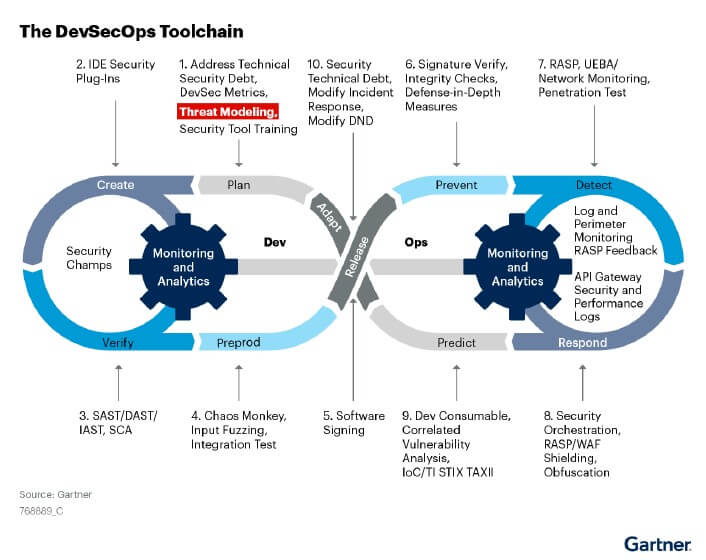
As the field of DevSecOps continues to grow, organizations are increasingly seeking professionals who possess the necessary skills and knowledge to ensure the security of their software development processes. If you are preparing for a DevSecOps interview, it is important to be well-prepared for the questions that may be asked. In this article, we have compiled a list of common DevSecOps interview questions that can help you in your preparation.
DevSecOps is a methodology that integrates security into the DevOps process, ensuring that security is not an afterthought but an integral part of the development and deployment process. Organizations are looking for professionals who can effectively implement security measures throughout the software development lifecycle. By familiarizing yourself with these interview questions, you can demonstrate your expertise and readiness to tackle the challenges of a DevSecOps role.
When preparing for a DevSecOps interview, it is important to remember that technical knowledge is crucial, but so is your ability to think critically and problem-solve. These questions are designed to test your understanding of security practices, your familiarity with DevOps tools, and your ability to apply security measures in a DevOps environment. Take the time to understand the concepts behind these questions and be prepared to provide thoughtful and concise answers.
See these DevSecOps interview questions:
- What is DevSecOps and why is it important?
- What are the key differences between DevOps and DevSecOps?
- How do you ensure security in a continuous integration/continuous deployment (CI/CD) pipeline?
- What are some common security vulnerabilities in software development?
- How do you prioritize security tasks in a DevOps environment?
- What is the role of automation in DevSecOps?
- How do you handle security incidents in a DevOps environment?
- What are some best practices for secure coding?
- What is threat modeling and how does it relate to DevSecOps?
- How do you implement secure authentication and authorization mechanisms?
- What is the OWASP Top Ten and why is it important?
- What tools do you use for security testing in a DevOps environment?
- How do you ensure compliance with security regulations and standards?
- What is the importance of security training and awareness in DevSecOps?
- How do you integrate security testing into the development process?
- What is the role of vulnerability scanning in DevSecOps?
- How do you manage secrets and sensitive information in a DevOps environment?
- What are some common security risks in cloud-based environments?
- How do you ensure secure communication between microservices?
- What is the principle of least privilege and how does it apply to DevSecOps?
- What is the difference between a vulnerability assessment and a penetration test?
- How do you ensure secure configuration management in a DevOps environment?
- What is secure software development lifecycle (SDLC) and why is it important?
- How do you handle security in containerized environments?
- What is the role of security in infrastructure as code (IaC)?
- How do you monitor and detect security incidents in a DevOps environment?
- What are some common security challenges in serverless architectures?
- How do you ensure secure data storage and transmission in a DevOps environment?
- What is the role of encryption in DevSecOps?
- How do you conduct a security assessment of third-party libraries and dependencies?
- What are some common security measures for securing APIs?
- How do you ensure secure deployment and rollback processes?
- What is the role of security in microservices architecture?
- How do you handle security in a multi-cloud environment?
- What are some common security challenges in IoT (Internet of Things) devices?
- How do you ensure secure access controls in a DevOps environment?
- What is the role of security in serverless computing?
- How do you conduct security testing in a production environment without impacting performance?
- What are some common security challenges in a hybrid cloud environment?
- How do you ensure secure collaboration and communication between development and security teams?
- What are some best practices for securely managing secrets and credentials?
- How do you ensure secure logging and auditing in a DevOps environment?
- What is the role of security in the software supply chain?
- How do you handle security in a serverless database environment?
Preparing for a DevSecOps interview can be challenging, but by familiarizing yourself with these questions and their underlying concepts, you can increase your chances of success. Remember to not only focus on technical knowledge but also demonstrate your ability to think critically and apply security measures in a DevOps context. Good luck with your interview!






