
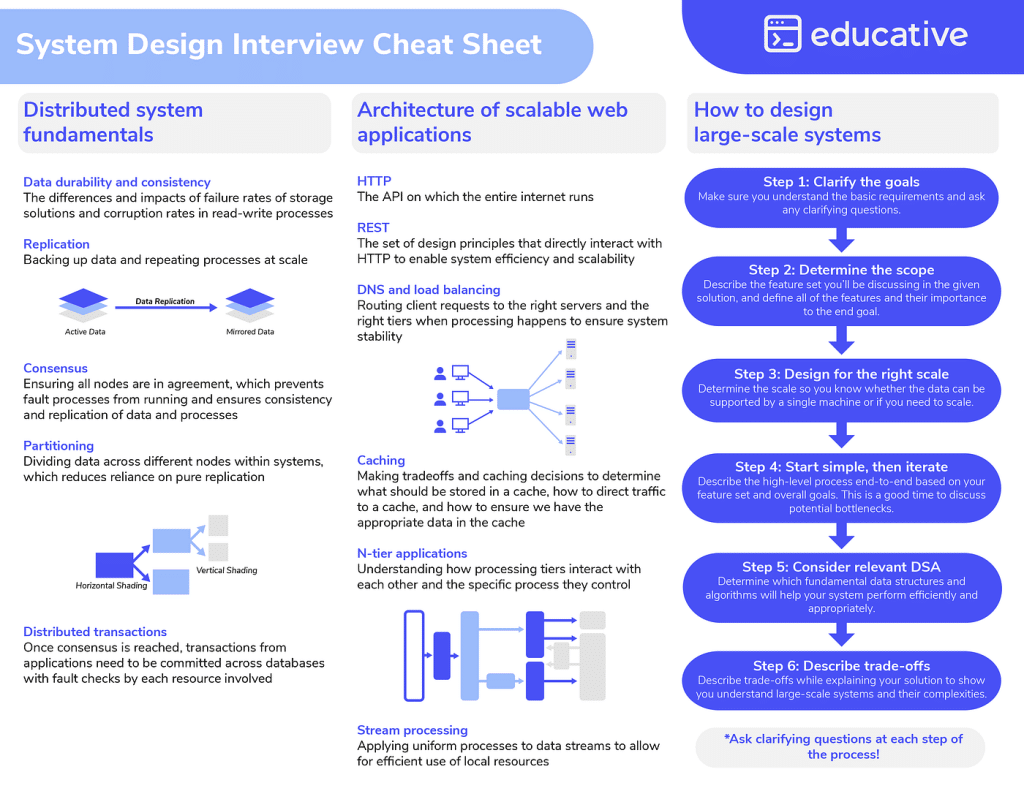
As technology continues to advance, the need for distributed systems in the world of software development has become increasingly important. Distributed systems allow for the efficient processing and storage of large amounts of data, making them a crucial component in many industries. If you’re looking to land a job in this field, it’s essential to be well-prepared for your interview. To help you out, we’ve compiled a comprehensive list of distributed systems interview questions that you should be familiar with.
When interviewing for a distributed systems role, you can expect questions that cover a wide range of topics, from the basics of distributed computing to more advanced concepts. Employers are looking for candidates who not only understand the fundamental principles of distributed systems but also have the ability to apply them in real-world scenarios. By familiarizing yourself with these questions, you’ll be better equipped to showcase your knowledge and skills during the interview.
Before diving into the list of interview questions, it’s important to note that while having a solid understanding of distributed systems is essential, employers are also interested in your problem-solving abilities and how well you can think on your feet. Don’t be afraid to demonstrate your critical thinking skills and provide examples from your past experiences to support your answers.
See these distributed systems interview questions
- What is a distributed system?
- What are the advantages of using a distributed system?
- What are some common challenges in distributed systems?
- What is the CAP theorem and why is it important in distributed systems?
- What is eventual consistency and how does it relate to distributed systems?
- Explain the difference between synchronous and asynchronous communication in distributed systems.
- What is a distributed hash table (DHT) and how does it work?
- How does fault tolerance work in distributed systems?
- What is the role of consensus algorithms in distributed systems?
- Explain the concept of leader election in distributed systems.
- What is the difference between horizontal and vertical scaling in distributed systems?
- How does distributed caching work?
- What is the role of load balancing in distributed systems?
- Explain the concept of sharding in distributed databases.
- What is the difference between strong and eventual consistency?
- How does distributed locking work?
- What is the role of replication in distributed systems?
- Explain the concept of data partitioning in distributed databases.
- What are some strategies for handling data consistency in distributed systems?
- What is the role of message queues in distributed systems?
- Explain the concept of distributed transactions.
- What is the difference between a distributed file system and a traditional file system?
- How does distributed logging work?
- What is the role of distributed locking in concurrency control?
- Explain the concept of vector clocks in distributed systems.
- What are some common techniques for data replication in distributed databases?
- How does distributed consensus work?
- What is the role of the Two-Phase Commit (2PC) protocol in distributed systems?
- Explain the concept of quorum in distributed systems.
- What are some techniques for handling failures in distributed systems?
- How does distributed caching improve performance in distributed systems?
- What is the role of gossip protocols in distributed systems?
- Explain the concept of eventual leader election in distributed systems.
- What are some common approaches for achieving fault tolerance in distributed systems?
- How does distributed indexing work?
- What is the role of consistent hashing in distributed systems?
- Explain the concept of data locality in distributed databases.
- What are some strategies for handling network partitions in distributed systems?
- How does distributed queuing work?
- What is the role of distributed locking in transaction management?
- Explain the concept of distributed shared memory.
- What are some techniques for handling data conflicts in distributed systems?
- How does distributed version control work?
By familiarizing yourself with these distributed systems interview questions, you’ll be better prepared to showcase your knowledge and skills during your job interview. Remember to not only focus on the technical aspects but also demonstrate your problem-solving abilities and real-world application of distributed systems concepts. Good luck!






