
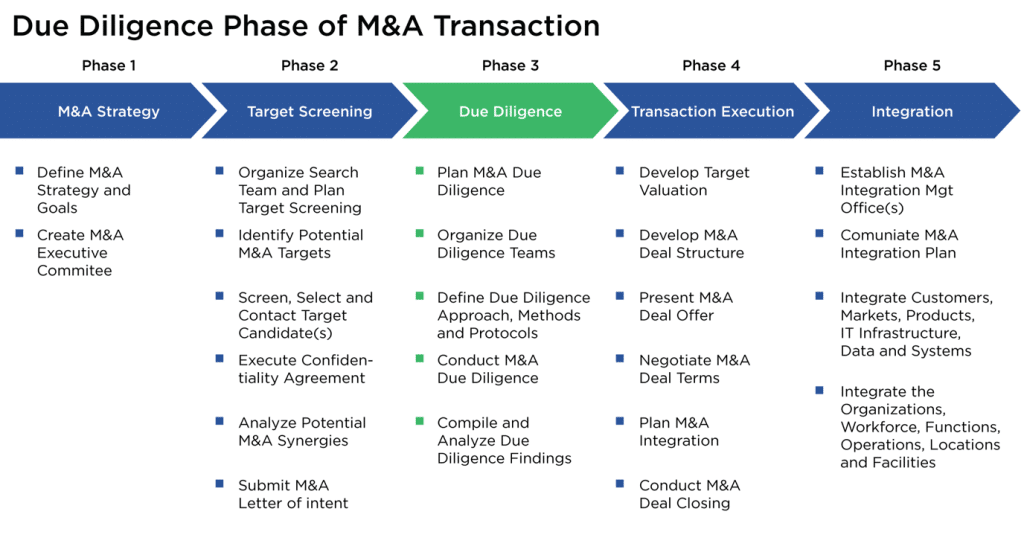
Buying a business is a significant decision that requires careful consideration and thorough research to ensure a successful acquisition. Conducting due diligence is a crucial step in the purchasing process that helps buyers evaluate the business’s financial health, operations, and potential risks. By asking the right questions, potential buyers can gain valuable insights into the business and make informed decisions. In this article, we will discuss some key due diligence questions to ask when buying a business.
Before diving into the due diligence questions, it’s essential to have a clear understanding of the business’s industry, market position, and growth potential. This information will help you tailor your questions and focus on the areas that matter the most. Additionally, it’s advisable to engage professionals such as lawyers, accountants, and business valuation experts to assist you throughout the due diligence process.
Now let’s explore some important due diligence questions that buyers should ask when considering the purchase of a business:
See these Due Diligence Questions When Buying a Business
- What is the business’s financial performance over the past three years?
- Are there any outstanding debts or liabilities?
- What are the current assets and liabilities of the business?
- How reliable and diverse is the customer base?
- What is the business’s market share and competitive advantage?
- Does the business rely heavily on any key suppliers or customers?
- What are the growth prospects for the industry?
- Are there any pending legal issues or disputes?
- What is the business’s reputation and brand image?
- How is the business’s online presence and digital marketing strategy?
- What are the current employees’ roles and qualifications?
- What is the employee turnover rate?
- Are there any labor union agreements or disputes?
- What are the business’s fixed and variable costs?
- What is the business’s intellectual property portfolio?
- Are there any existing patents, trademarks, or copyrights?
- What is the condition of the business’s physical assets?
- How are the business’s inventory management and control systems?
- What are the key suppliers and their relationships with the business?
- Does the business have any exclusive contracts or licenses?
- What are the business’s current marketing and advertising strategies?
- What are the business’s current sales channels and distribution networks?
- What is the business’s customer retention rate?
- What is the level of customer satisfaction and feedback?
- What are the business’s insurance coverage and policies?
- Does the business have any environmental or regulatory compliance issues?
- What is the business’s technology infrastructure and software systems?
- What are the business’s current and projected cash flows?
- What are the business’s short-term and long-term liabilities?
- What is the business’s pricing strategy and profit margins?
- Does the business have any pending or potential tax liabilities?
- What is the business’s historical sales growth rate?
- What are the business’s key performance indicators (KPIs)?
- What are the business’s customer acquisition costs?
- What are the business’s expansion plans or new product developments?
- What is the business’s online customer reviews and ratings?
- What are the business’s current and future lease agreements?
- What is the business’s current debt-to-equity ratio?
- What is the business’s ownership structure and legal entity?
- What are the business’s recurring revenue streams?
- Does the business have any pending or potential intellectual property infringement claims?
- What are the business’s marketing and advertising budgets?
- What is the business’s customer demographics and target market?
These are just some of the many due diligence questions that buyers should consider when purchasing a business. It’s crucial to tailor the questions to the specific industry and circumstances of the business being evaluated. By thoroughly examining the business’s financial, operational, and legal aspects, buyers can mitigate risks and make informed decisions that align with their strategic goals.






