
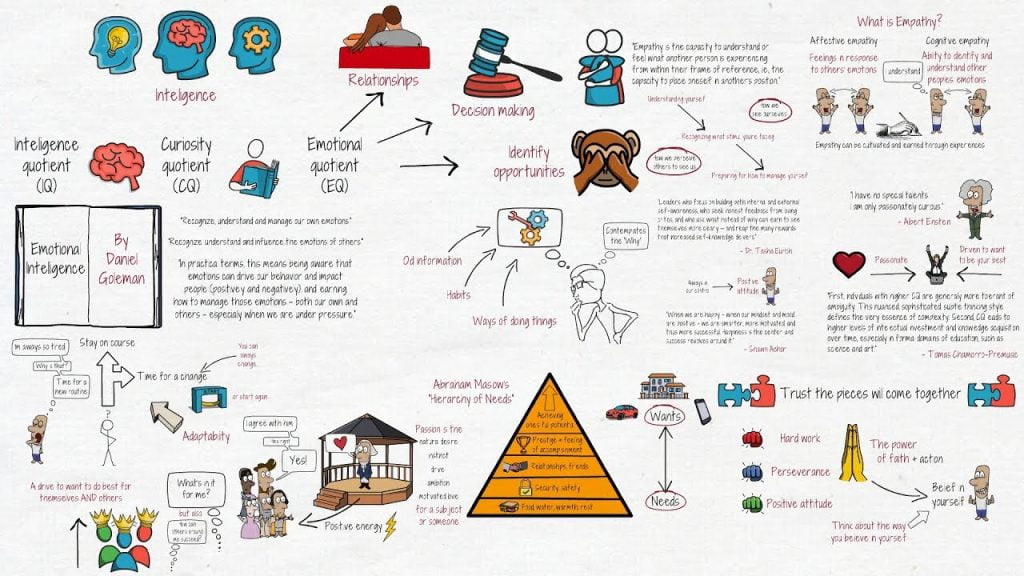
Emotional intelligence is a crucial skill in today’s fast-paced and interconnected world. It refers to the ability to understand and manage emotions, both in oneself and in others. People with high emotional intelligence are more likely to succeed in their personal and professional lives, as they can navigate social interactions and handle stress more effectively. If you want to assess your own emotional intelligence or that of others, taking an emotional intelligence test can be a helpful tool.
In this article, we have compiled a list of emotional intelligence test questions and answers to help you understand and evaluate your emotional intelligence. These questions are designed to gauge various aspects of emotional intelligence, including self-awareness, self-regulation, empathy, and social skills. By answering these questions honestly, you can gain insights into your emotional strengths and areas for improvement.
Remember, emotional intelligence is not fixed and can be developed and enhanced with practice. By regularly assessing your emotional intelligence and working on areas that need improvement, you can cultivate better relationships, make better decisions, and lead a more fulfilling life.
See these emotional intelligence test questions and answers
- How do you react when faced with criticism?
- Can you easily identify and express your own emotions?
- How well do you listen to others without interrupting?
- Do you find it easy to empathize with others?
- How do you handle stressful situations?
- Are you able to control your impulses and emotions?
- Do you consider other people’s perspectives before making decisions?
- How do you manage conflict in your relationships?
- Can you effectively communicate your emotions to others?
- Do you take time to reflect on your own emotions and behavior?
- Are you open to feedback and willing to learn from it?
- How well do you adapt to change?
- Can you recognize and understand non-verbal cues?
- Do you take responsibility for your own emotions?
- How do you handle disappointments and setbacks?
- Are you able to establish and maintain positive relationships?
- Can you regulate your emotions in high-pressure situations?
- Do you show empathy towards people from different backgrounds?
- How well do you resolve conflicts with others?
- Do you actively listen and pay attention to others’ needs?
- Can you effectively manage your time and prioritize tasks?
- How do you handle rejection?
- Are you able to give and receive constructive feedback?
- Do you consider the emotions and perspectives of others in decision-making?
- How do you cope with failure?
- Can you recognize and manage stress in your life?
- Do you respond to others’ emotions with understanding and support?
- How well do you adapt to new environments?
- Are you able to control your anger and frustration?
- Do you actively seek to understand others’ feelings?
- Can you effectively resolve conflicts with a win-win mindset?
- How do you manage your own expectations?
- Are you able to bounce back from setbacks and challenges?
- Do you show respect and appreciation for others’ perspectives?
- How well do you handle pressure and deadlines?
- Can you recognize and manage your own biases?
- Do you actively support and encourage others?
- How do you handle criticism from others?
- Are you able to understand and regulate your own emotions?
- Do you demonstrate understanding and compassion towards others?
- How well do you collaborate and work in teams?
- Can you effectively communicate your needs and boundaries?
- How do you cope with rejection or failure?
- Are you able to establish trust in your relationships?
These emotional intelligence test questions and answers are just a starting point for assessing your emotional intelligence. Remember, it’s essential to answer these questions honestly and reflect on your responses to gain valuable insights. Use this information to work on areas that need improvement and continue developing your emotional intelligence skills. With practice and dedication, you can enhance your emotional intelligence and thrive in all areas of life.






