
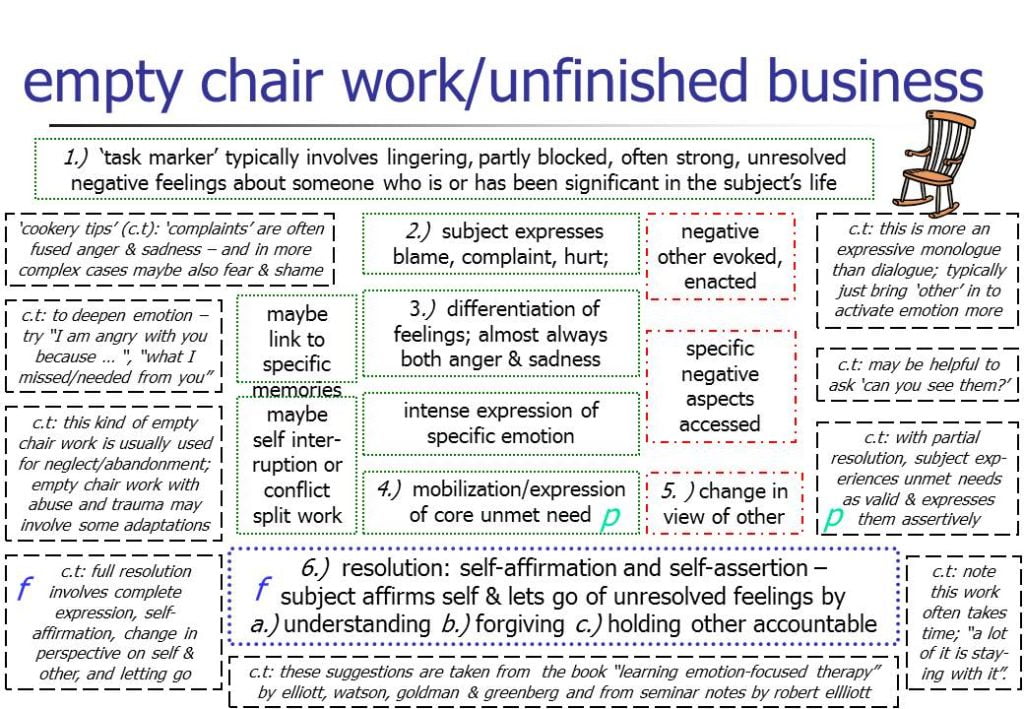
The empty chair technique is a therapeutic approach that has been widely used in Gestalt therapy. It involves the use of an empty chair to represent a person or situation that is significant to the individual undergoing therapy. By engaging in a dialogue with the empty chair, the individual can explore unresolved feelings, conflicts, or issues related to that person or situation.
This technique can be particularly effective in helping individuals gain insight, make decisions, and resolve internal conflicts. It allows them to express their emotions, confront their fears, and explore alternative perspectives. To facilitate the process, therapists often use specific questions to guide their clients through the dialogue with the empty chair.
In this article, we will provide you with a comprehensive list of empty chair technique questions that can be used in therapy sessions or for personal reflection. These questions are designed to help you delve deeper into your emotions, thoughts, and experiences, ultimately leading to personal growth and self-awareness.
See these empty chair technique questions
- What would you say to the person in the empty chair if they were here right now?
- How do you feel when you think about the person in the empty chair?
- What do you need from the person in the empty chair that you haven’t received?
- What are you afraid of when it comes to the person in the empty chair?
- What do you want to express to the person in the empty chair that you haven’t been able to?
- How do you think the person in the empty chair would respond to what you have to say?
- What do you think is preventing you from resolving your issues with the person in the empty chair?
- What would your life be like if you were able to let go of the emotions associated with the person in the empty chair?
- How have your past experiences influenced your relationship with the person in the empty chair?
- What do you believe is the underlying cause of the conflicts you have with the person in the empty chair?
- How do you think the person in the empty chair perceives you?
- What do you think is the biggest obstacle preventing you from forgiving the person in the empty chair?
- What do you need to hear from the person in the empty chair in order to find closure?
- How do you think your life would be different if you were able to resolve your issues with the person in the empty chair?
- What do you think the person in the empty chair would say about the way you have handled the situation?
- What emotions are you experiencing as you engage in this dialogue with the empty chair?
- What lessons have you learned from your experiences with the person in the empty chair?
- How do you think the person in the empty chair perceives your actions and decisions?
- What do you need to do in order to find closure with the person in the empty chair?
- How has your relationship with the person in the empty chair impacted your self-esteem?
- What do you believe is the root cause of the conflicts you have with the person in the empty chair?
- What would it take for you to forgive the person in the empty chair?
- How do you think the person in the empty chair would react if you were to express your true feelings?
- What steps can you take to improve your relationship with the person in the empty chair?
- What do you need from yourself in order to move on from the situation with the person in the empty chair?
- How do you think your life would be different if you were able to resolve your conflicts with the person in the empty chair?
- What do you think the person in the empty chair would say about the way you have handled your emotions?
- What emotions arise as you visualize the person in the empty chair?
- What insights have you gained from your experiences with the person in the empty chair?
- How do you think the person in the empty chair perceives your intentions?
- What do you need to do in order to find peace with the person in the empty chair?
- How has your relationship with the person in the empty chair influenced your sense of identity?
- What do you believe is the underlying cause of the conflicts between you and the person in the empty chair?
- What would it take for you to let go of the pain associated with the person in the empty chair?
- How do you think the person in the empty chair would respond if you were to express your deepest desires?
- What actions can you take to rebuild trust with the person in the empty chair?
- What do you need from yourself in order to heal from the situation with the person in the empty chair?
- How do you think your life would transform if you were able to resolve your issues with the person in the empty chair?
- What do you think the person in the empty chair would say about the way you have coped with the situation?
- What sensations do you experience in your body as you engage in this dialogue with the empty chair?
- What wisdom have you gained from your experiences with the person in the empty chair?
- How do you think the person in the empty chair perceives your values and beliefs?
- What do you need to do in order to find closure and move forward from the situation with the person in the empty chair?
- How has your relationship with the person in the empty chair affected your overall well-being?
- What do you believe is the root cause of the conflicts you have with the person in the empty chair?
- What would it take for you to fully forgive and let go of the past with the person in the empty chair?
- How do you think the person in the empty chair would react if you were to assert yourself?
These empty chair technique questions are just a starting point. Feel free to adapt and personalize them to suit your own needs and situation. Remember, the empty chair technique can be a powerful tool for self-exploration and healing, so embrace the opportunity to engage in a meaningful dialogue with yourself or others through this technique.






