
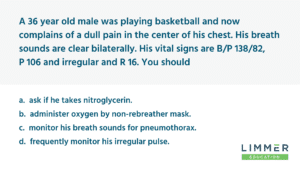
Being an Emergency Medical Technician (EMT) requires a strong knowledge base and the ability to make split-second decisions in high-pressure situations. To ensure that EMTs are prepared for any emergency, they must undergo rigorous training and pass a certification exam. As part of their preparation, EMTs often seek out practice questions and answers to test their knowledge and improve their skills.
In this article, we have compiled a comprehensive list of EMT questions and answers to help aspiring EMTs and current professionals alike. Whether you are studying for your certification exam or simply looking to brush up on your skills, these questions will provide valuable insight into various emergency scenarios.
Remember, it is crucial to understand the underlying concepts behind each question and answer, rather than simply memorizing the responses. This will enable you to apply your knowledge effectively in real-life situations, where quick thinking and accurate decision-making are essential.
See these EMT questions and answers:
- What are the three primary roles of an EMT?
- What is the difference between a basic life support (BLS) and advanced life support (ALS) ambulance?
- How do you perform CPR on an adult?
- What are the signs and symptoms of a heart attack?
- What is the purpose of the SAMPLE history acronym?
- How do you control bleeding from a severe laceration?
- What is the treatment for a person experiencing anaphylaxis?
- How do you assess a patient’s level of consciousness?
- What are the steps in treating a patient with a suspected spinal injury?
- What are the indications for using an automated external defibrillator (AED)?
- How do you manage a patient with a suspected fracture?
- What are the signs and symptoms of a stroke?
- How do you perform the Heimlich maneuver on a conscious adult?
- What is the treatment for a patient with a suspected opioid overdose?
- What are the steps in assessing and managing a patient with a burn?
- How do you immobilize a patient with a suspected neck injury?
- What are the signs and symptoms of hypoglycemia?
- What is the treatment for a patient with a suspected seizure?
- How do you assess a patient’s vital signs?
- What are the steps in managing a patient with a suspected allergic reaction?
- What is the purpose of the AVPU scale in assessing a patient’s mental status?
- How do you control bleeding from a nosebleed?
- What are the signs and symptoms of a concussion?
- How do you manage a patient with a suspected head injury?
- What is the treatment for a patient with a suspected diabetic emergency?
- What are the steps in assessing and managing a patient with a heat-related illness?
- How do you perform a rapid trauma assessment?
- What is the purpose of the OPQRST acronym in assessing a patient’s pain?
- How do you manage a patient with a suspected overdose?
- What are the signs and symptoms of an asthma attack?
- How do you perform the jaw thrust maneuver?
- What is the treatment for a patient with a suspected carbon monoxide poisoning?
- How do you assess a patient’s respiratory rate?
- What are the steps in managing a patient with a suspected drug overdose?
- How do you control bleeding from an arterial bleed?
- What are the signs and symptoms of a tension pneumothorax?
- How do you manage a patient with a suspected spinal cord injury?
- What is the treatment for a patient with a suspected allergic reaction to a medication?
- How do you assess a patient’s blood pressure?
- What are the steps in managing a patient with a suspected cardiac arrest?
- How do you control bleeding from a puncture wound?
- What are the signs and symptoms of a pulmonary embolism?
- How do you manage a patient with a suspected overdose of a prescription medication?
These EMT questions and answers cover a wide range of topics and scenarios that EMTs may encounter in their line of work. By familiarizing yourself with these questions and understanding the concepts behind them, you will be better prepared to provide emergency medical care and make critical decisions in the field.
Remember, ongoing education and training are essential for EMTs. Stay updated on the latest protocols, guidelines, and advancements in the field to ensure that you are always providing the best possible care to your patients.






