
ESG (Environmental, Social, and Governance) has become a major consideration for businesses and investors worldwide. As concerns about climate change, social justice, and ethical business practices continue to rise, companies are increasingly expected to demonstrate their commitment to these issues. ESG questions play a crucial role in assessing a company’s sustainability, responsibility, and long-term viability.
Investors, stakeholders, and consumers are becoming more interested in understanding how companies are managing their ESG risks and opportunities. By asking the right ESG questions, they can gain insights into a company’s practices, policies, and performance in these areas. This information allows them to make informed decisions, align their investments with their values, and hold companies accountable for their actions.
In this article, we will explore a comprehensive list of ESG questions that can be used as a starting point for evaluating a company’s ESG practices. These questions cover a wide range of topics, including environmental impact, labor practices, diversity and inclusion, human rights, corporate governance, and more.
See these ESG questions
- What measures has the company taken to reduce its carbon footprint?
- Does the company have a formal environmental management system in place?
- How does the company manage and mitigate environmental risks?
- What percentage of the company’s energy comes from renewable sources?
- Has the company set any specific targets for reducing greenhouse gas emissions?
- How does the company manage its waste and promote recycling?
- Does the company have a comprehensive water management strategy?
- What steps has the company taken to ensure the responsible sourcing of raw materials?
- Does the company have any policies or initiatives to promote employee health and well-being?
- How does the company ensure the safety of its employees?
- What is the company’s approach to workforce diversity and inclusion?
- What measures has the company taken to address gender pay gaps?
- Does the company have any programs to support the local communities where it operates?
- How does the company engage with its suppliers to ensure responsible business practices throughout the supply chain?
- What is the company’s stance on human rights, and how does it ensure compliance?
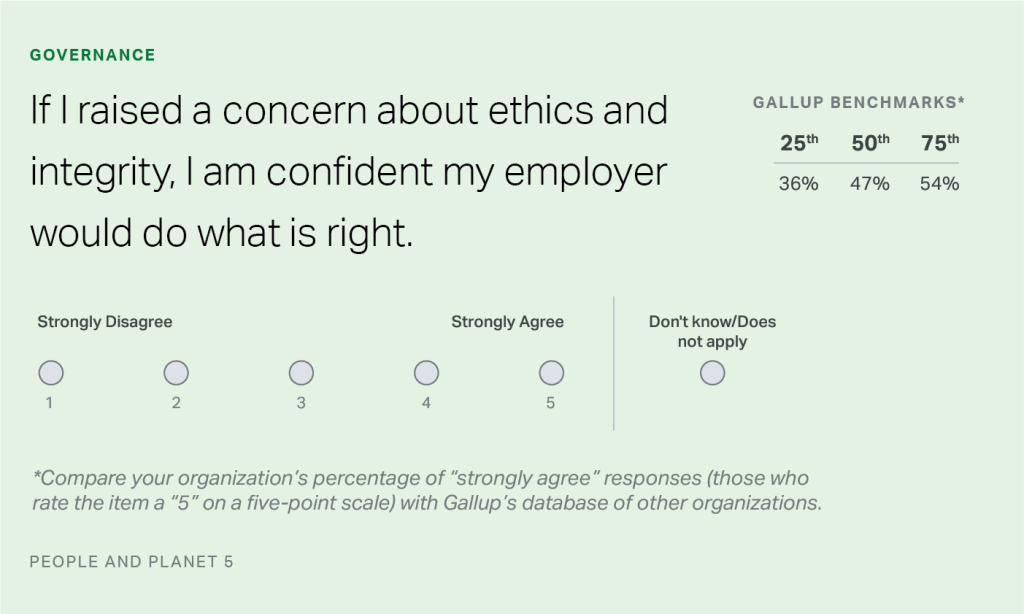
- Does the company have a robust system for identifying and managing ethical risks?
- How does the company handle customer data and ensure privacy?
- What measures has the company taken to promote transparency and accountability?
- Does the company have any policies or initiatives to prevent corruption and bribery?
- How does the company ensure the independence and effectiveness of its board of directors?
- What is the company’s approach to executive compensation?
- Does the company have any policies or initiatives to promote responsible tax practices?
- How does the company manage and disclose its political contributions?
- What measures has the company taken to prevent conflicts of interest?
- Does the company have any policies or initiatives to promote innovation and R&D?
- How does the company engage with its shareholders and respond to their concerns?
- What is the company’s approach to risk management?
- Does the company have any policies or initiatives to promote employee training and development?
- How does the company ensure the quality and safety of its products and services?
- What measures has the company taken to protect intellectual property rights?
- Does the company have any policies or initiatives to promote ethical marketing and advertising?
- How does the company measure and report its ESG performance?
- What certifications or standards has the company achieved in ESG-related areas?
- Does the company have any programs to support innovation and entrepreneurship in the communities it operates?
- How does the company manage and disclose its lobbying activities?
- What measures has the company taken to reduce its water consumption?
- Does the company have any policies or initiatives to promote employee engagement and satisfaction?
- How does the company ensure the responsible use and disposal of hazardous substances?
- What is the company’s approach to animal welfare?
- Does the company have any policies or initiatives to promote accessibility and inclusion for people with disabilities?
- How does the company manage and disclose its cybersecurity risks?
- What measures has the company taken to promote sustainable transportation?
- Does the company have any programs to support education and skill development in the communities it operates?
- How does the company ensure the responsible use of natural resources?
These are just a few examples of the many ESG questions that can help assess a company’s sustainability and responsibility. By asking these questions and demanding transparency, investors and stakeholders can encourage positive change and contribute to a more sustainable future.






