
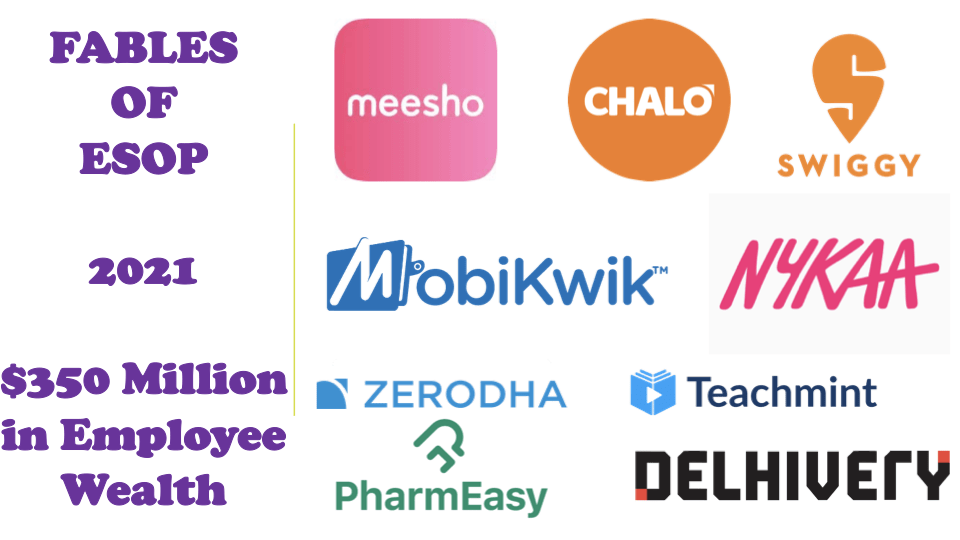
ESOP (Employee Stock Ownership Plan) is a popular retirement benefit program that allows employees to become partial owners of the company they work for. It provides a unique opportunity for employees to share in the success and growth of the company by receiving shares of company stock. As an employee considering participating in an ESOP, it is important to have a clear understanding of how it works and what it means for your financial future. In this article, we will explore some common ESOP questions to help you make informed decisions about your retirement planning.
ESOP plans can vary from one company to another, so it is crucial to ask the right questions to fully comprehend the details of your specific plan. By doing so, you can ensure that you are maximizing the benefits and making the most of this valuable retirement tool. Whether you are a new employee or have been with the company for years, having a solid understanding of ESOPs can contribute to your long-term financial security.
Before we dive into the specific ESOP questions, it is important to note that while ESOPs can offer significant advantages, they also come with risks. Understanding the potential risks and rewards is essential in making informed decisions about your retirement savings. Now, let’s explore some common ESOP questions to help you gain a better understanding of this retirement benefit program.
See these ESOP Questions
- What is an ESOP?
- How does an ESOP work?
- What are the benefits of participating in an ESOP?
- What are the risks associated with an ESOP?
- Can I contribute additional funds to my ESOP?
- How are ESOP contributions determined?
- What happens to my ESOP if I leave the company?
- When can I access the funds in my ESOP?
- Is there a vesting period for ESOP shares?
- How is the value of ESOP shares determined?
- What happens if the company’s stock price decreases?
- Can I sell my ESOP shares?
- Are there tax advantages to participating in an ESOP?
- What happens to my ESOP in the event of a company merger or acquisition?
- Can the company terminate the ESOP?
- What is the role of the ESOP trustee?
- How often are ESOP valuations conducted?
- Can I borrow against my ESOP shares?
- What happens if I become disabled or pass away while participating in the ESOP?
- Can I roll over my ESOP funds into another retirement account?
- What happens if the company goes bankrupt?
- Can I transfer my ESOP shares to a family member?
- What are the differences between ESOPs and other retirement plans?
- Can I participate in an ESOP if I am part-time or a contract employee?
- What happens if the company is sold?
- Can I invest my ESOP funds in other investment options?
- What happens to my ESOP contributions if I am laid off?
- Can I take a loan against my ESOP shares?
- What is the maximum contribution limit for an ESOP?
- Can I participate in an ESOP if I am already contributing to a 401(k) plan?
- What happens if I retire before the age of 59 ½?
- Are ESOP contributions matched by the company?
- Can I rollover my ESOP funds into an IRA?
- What happens if I want to sell my ESOP shares but there is no market for them?
- Can I designate a beneficiary for my ESOP shares?
- What is the difference between vested and unvested ESOP shares?
- How are ESOP distributions taxed?
- What happens to my ESOP shares if the company goes public?
- Can I contribute to my ESOP after reaching the age of 70 ½?
- Are ESOP contributions eligible for a tax deduction?
- Can I participate in an ESOP if I am a union employee?
- What happens to my ESOP shares if the company is delisted from the stock exchange?
- Can I participate in an ESOP if I am a non-U.S. citizen?
- What happens to my ESOP shares if I become a shareholder activist?
These are just a few examples of the many questions you may have regarding ESOPs. It is important to consult with your company’s HR department or a financial advisor to get personalized answers to your specific questions. Understanding the ins and outs of ESOPs can help you make the most of this retirement benefit and secure a prosperous future for yourself.






