
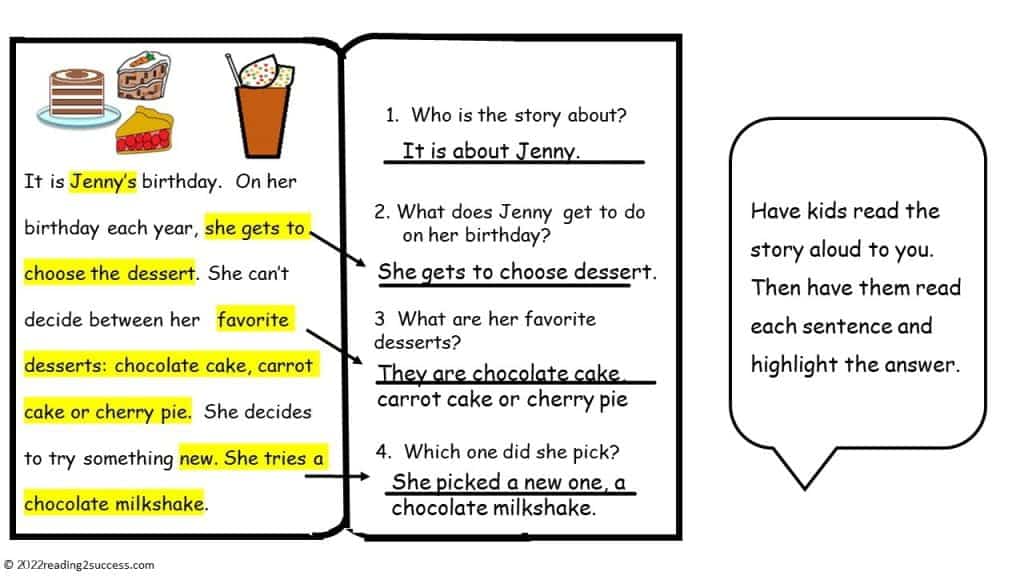
Comprehension questions are an essential tool for teachers and educators to assess students’ understanding of a text or topic. Evaluative comprehension questions go a step further by challenging students to analyze and critically assess the information they have learned. These types of questions not only test students’ comprehension but also encourage them to think critically, make connections, and form opinions based on evidence.
Evaluative comprehension questions play a crucial role in developing higher-order thinking skills, such as analysis, evaluation, and synthesis. By asking students to evaluate and form opinions, these questions prompt them to think deeply about the subject matter and provide justification for their responses. This not only enhances their critical thinking skills but also prepares them for real-life situations where they will need to evaluate information and make informed decisions.
Furthermore, evaluative comprehension questions promote active learning by requiring students to engage with the material on a deeper level. Instead of simply regurgitating facts, students are encouraged to analyze the content, consider different perspectives, and make connections to other concepts they have learned. This active engagement helps students retain information better and enhances their overall understanding of the topic.
See these evaluative comprehension questions
- What is your opinion on the main character’s actions in the story? Provide evidence to support your answer.
- Do you agree or disagree with the author’s viewpoint? Why or why not?
- How does the setting contribute to the overall theme of the text?
- What are the implications of the scientific discovery discussed in the article?
- Compare and contrast the main character’s motivations at the beginning and end of the story.
- How does the author use symbolism to convey a deeper meaning in the text?
- What are the ethical considerations related to the issue discussed in the documentary?
- What evidence can you find to support the author’s argument?
- What are the potential consequences of the decision made by the protagonist?
- How does the historical context influence the events in the novel?
- What are the strengths and weaknesses of the research methodology used in the study?
- What are the long-term effects of the event described in the news article?
- How does the author use language to create a specific tone or mood?
- What alternative solutions can you propose for the problem presented in the case study?
- What are the underlying assumptions of the theory discussed in the academic paper?
- What are the potential biases present in the survey results?
- How does the main character’s background shape their perspective on the issue?
- What are the implications of the historical event discussed in the documentary?
- What are the limitations of the statistical analysis conducted in the research study?
- What are the potential consequences of the protagonist’s actions in the short story?
- How does the author’s use of imagery contribute to the overall theme of the poem?
- What are the ethical implications of the decision made by the company in the case study?
- What evidence can you find to challenge the author’s argument?
- What are the potential drawbacks of the proposed solution in the research paper?
- How does the cultural context influence the characters’ behavior in the play?
- What are the strengths and weaknesses of the experimental design used in the study?
- What are the long-term implications of the policy discussed in the government report?
- How does the author use figurative language to enhance the reader’s understanding of the text?
- What alternative explanations can you offer for the phenomenon described in the scientific article?
- What are the underlying assumptions of the model used in the economic analysis?
- What are the potential sources of error in the data collected for the research study?
- How does the protagonist’s personal experience shape their perspective on the issue?
- What are the implications of the social event discussed in the news report?
- What are the limitations of the qualitative analysis conducted in the research study?
- What are the potential outcomes of the choices made by the characters in the novel?
- How does the author’s use of dialogue contribute to the development of the story?
- What are the ethical considerations of the experiment described in the scientific paper?
- What evidence can you find to support an alternative interpretation of the data?
- What are the potential flaws in the methodology used in the research study?
- How does the political context influence the events in the historical account?
- What are the strengths and weaknesses of the theoretical framework used in the study?
- What are the long-term implications of the environmental issue discussed in the article?
- How does the author use foreshadowing to create suspense in the story?
- What alternative strategies can you propose for solving the problem in the business case?
- What are the underlying assumptions of the argument presented in the academic paper?
- What are the potential limitations of the sample size in the survey results?
These evaluative comprehension questions are just a starting point for encouraging critical thinking and analysis. By incorporating these types of questions into your teaching practice, you can empower students to think critically, evaluate information, and develop a deeper understanding of the subject matter.






