
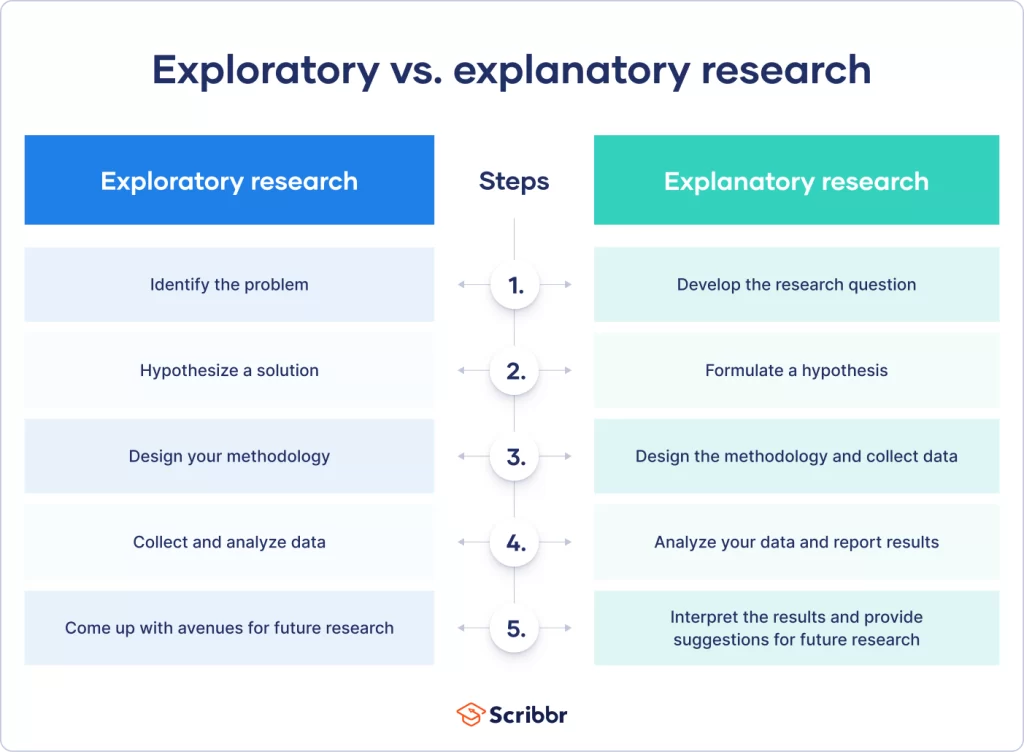
When trying to gather information or clarify a particular topic, explanatory questions play a crucial role. These types of questions help in gaining a deeper understanding of a subject by seeking further details or explanations. Explanatory questions are often used in interviews, surveys, or even during everyday conversations to gather more information. In this article, we will explore some examples of explanatory questions that can be used in various situations.
Explanatory questions are designed to dig deeper and provide additional context or clarification. These questions are often open-ended and encourage the respondent to provide more information rather than simply answering with a yes or no. By asking these types of questions, you can gain a more comprehensive understanding of a topic and gather valuable insights.
Whether you are conducting an interview, writing a survey, or simply engaging in a conversation, having a list of explanatory questions can be immensely helpful. Below, you will find a comprehensive list of more than 40 explanatory questions examples that can aid you in various situations.
See these explanatory questions examples
- Can you explain how this process works?
- What are the main factors that contribute to this issue?
- Could you provide more details about your research methodology?
- What led you to make that decision?
- Can you give me an example to illustrate your point?
- How does this concept relate to the real world?
- What are the potential implications of this finding?
- Can you elaborate on the steps involved in this procedure?
- What are the key advantages of using this approach?
- Could you clarify what you mean by “X”?
- How does this theory apply to different cultural contexts?
- Can you provide more information about your experience in this field?
- What are the possible limitations of this study?
- Could you explain the rationale behind this decision?
- How does this relate to the previous research conducted in this area?
- Can you describe the potential impact of this innovation?
- What are the alternatives to this approach?
- Could you walk me through the steps of this process?
- How does this concept align with current industry trends?
- Can you provide more examples to support your argument?
- What are the potential risks associated with this strategy?
- Could you expand on the implications of your findings?
- How does this fit into the broader scope of your research?
- Can you explain the reasoning behind this hypothesis?
- What are the possible solutions to this problem?
- Could you outline the key findings of your study?
- How does this compare to previous versions of the product?
- Can you clarify the relationship between these two variables?
- What are the main challenges you faced during this project?
- Could you provide more details about the demographics of your sample?
- How does this impact the overall effectiveness of the campaign?
- Can you give me a step-by-step breakdown of this process?
- What are the potential applications of this technology?
- Could you explain the underlying assumptions of your model?
- How does this align with current industry standards?
- Can you provide more evidence to support your claim?
- What are the ethical considerations related to this study?
- Could you describe the key features of this software?
- How does this approach address potential biases in the data?
- Can you elaborate on the limitations of your study design?
- What are the potential future directions for this research?
- Could you explain the significance of your findings?
- How does this impact the overall goals of the organization?
- Can you give me more details about the timeline of this project?
These explanatory questions serve as valuable tools to gain a deeper understanding of a subject or gather additional information. By incorporating them into your conversations, interviews, or surveys, you can elicit detailed responses and gain valuable insights.
Remember, the key to using explanatory questions effectively is to keep them open-ended and encourage the respondent to provide detailed explanations. Use these examples as a starting point and tailor them to suit your specific needs and context. Happy questioning!






