
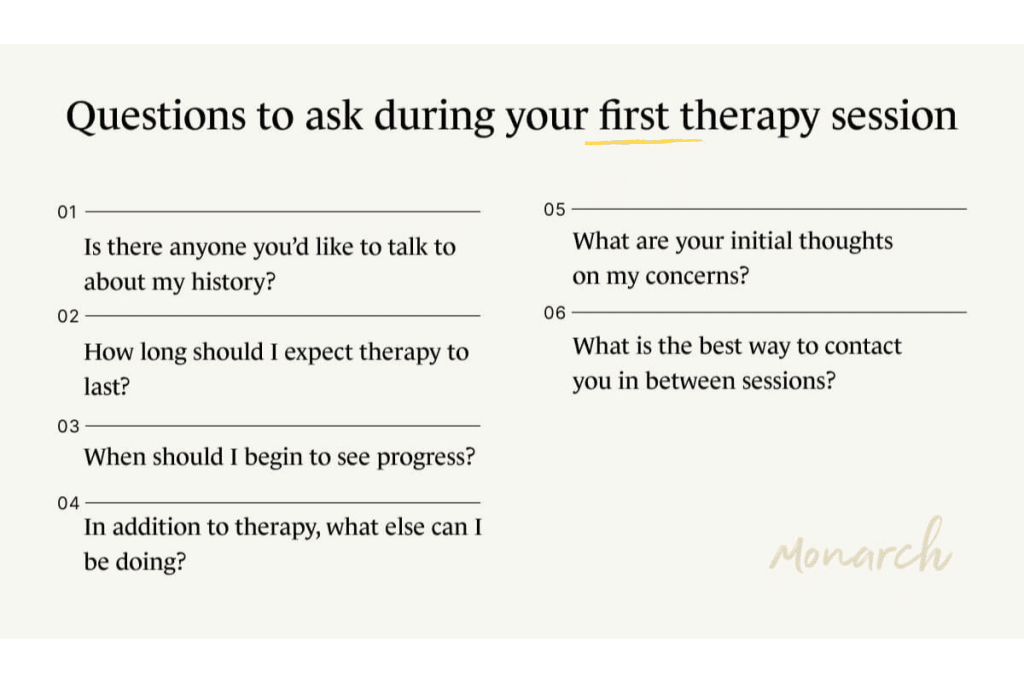
Family therapy is a powerful tool that can help families navigate through challenging times and strengthen their bonds. It provides a safe environment for family members to express their thoughts and emotions, and to develop effective communication skills. Whether you are seeking therapy for a specific issue or simply want to enhance your family dynamics, asking the right questions can make a significant difference. In this article, we will explore a comprehensive list of family therapy questions that can guide you towards a more fulfilling and harmonious family life.
Before diving into the list of questions, it is important to understand the purpose of family therapy. Family therapy aims to improve communication, resolve conflicts, and promote understanding among family members. It can address a wide range of issues such as marital problems, parenting challenges, substance abuse, grief, and mental health concerns. By engaging in therapy, families can gain insight into their patterns of interaction, develop healthier coping strategies, and create a supportive and nurturing environment for everyone involved.
Now, let’s explore some essential family therapy questions that can help you start meaningful conversations and unlock the path to healing and growth:
See these family therapy questions:
- What are the main challenges your family is currently facing?
- How would you describe the communication patterns within your family?
- What do you wish could change within your family dynamics?
- How do you handle conflicts within your family?
- What are some positive aspects of your family relationships?
- What are the strengths of each family member?
- How do you express love and affection towards each other?
- How do you handle differences in opinions or beliefs?
- What role does each family member play within the family?
- What is your family’s definition of success and happiness?
- How do you support each other during difficult times?
- What are your family’s expectations for each member?
- How do you balance individual needs with the needs of the family?
- What are some unresolved issues within your family?
- How does your family handle stress?
- What are your family’s values and beliefs?
- How do you celebrate achievements and milestones?
- How do you handle discipline and boundaries within your family?
- What are your family’s favorite activities to do together?
- How do you handle disagreements within your family?
- What are some ways you can improve your listening skills as a family?
- How do you express appreciation towards each other?
- What are your family’s expectations for communication?
- How do you handle changes and transitions as a family?
- What are your family’s sources of support outside of the immediate family?
- How do you encourage individual growth within your family?
- What are some healthy ways to manage conflicts within your family?
- How does your family handle decision-making?
- What are your family’s preferred methods of resolving conflicts?
- How do you express empathy towards each other?
- What are some ways you can improve your problem-solving skills as a family?
- How do you handle differences in parenting styles?
- What are your family’s boundaries and expectations regarding privacy?
- How do you foster trust within your family?
- What are your family’s traditions and rituals?
- How do you handle external influences on your family?
- What are some ways to improve the overall emotional well-being of your family?
- How do you handle jealousy or competition within your family?
- What are your family’s goals for the future?
- How do you handle apologies and forgiveness within your family?
- What are some ways to strengthen bonds and create a sense of togetherness within your family?
- How do you handle the balance between work and family life?
These family therapy questions serve as a starting point for meaningful conversations and self-reflection. Remember, the goal of family therapy is to create a safe and supportive space where everyone feels heard and valued. By addressing these questions honestly and openly, you can pave the way for healing, growth, and a more harmonious family life.






